Consumer Behavior Among Women Preceding Psychological Overwhelm: An Analytical Review
Understanding the Mechanisms of Emotional Purchases
The psychosomatic relationship between stress and consumer behavior has been a longstanding focus in clinical and behavioral research. Recent observations among women navigating high-stress environments reveal a pattern of purchasing habits indicative of psychological duress. The items chosen serve not only as temporary coping mechanisms but also as biofeedback mechanisms that reflect deeper emotional states. With over 20 years of clinical experience, I have frequently encountered patients whose shopping behaviors correlate closely with their mental health trajectory, especially during periods of chronic stress.
Weighted Blankets: Grounding Through Somatic Comfort
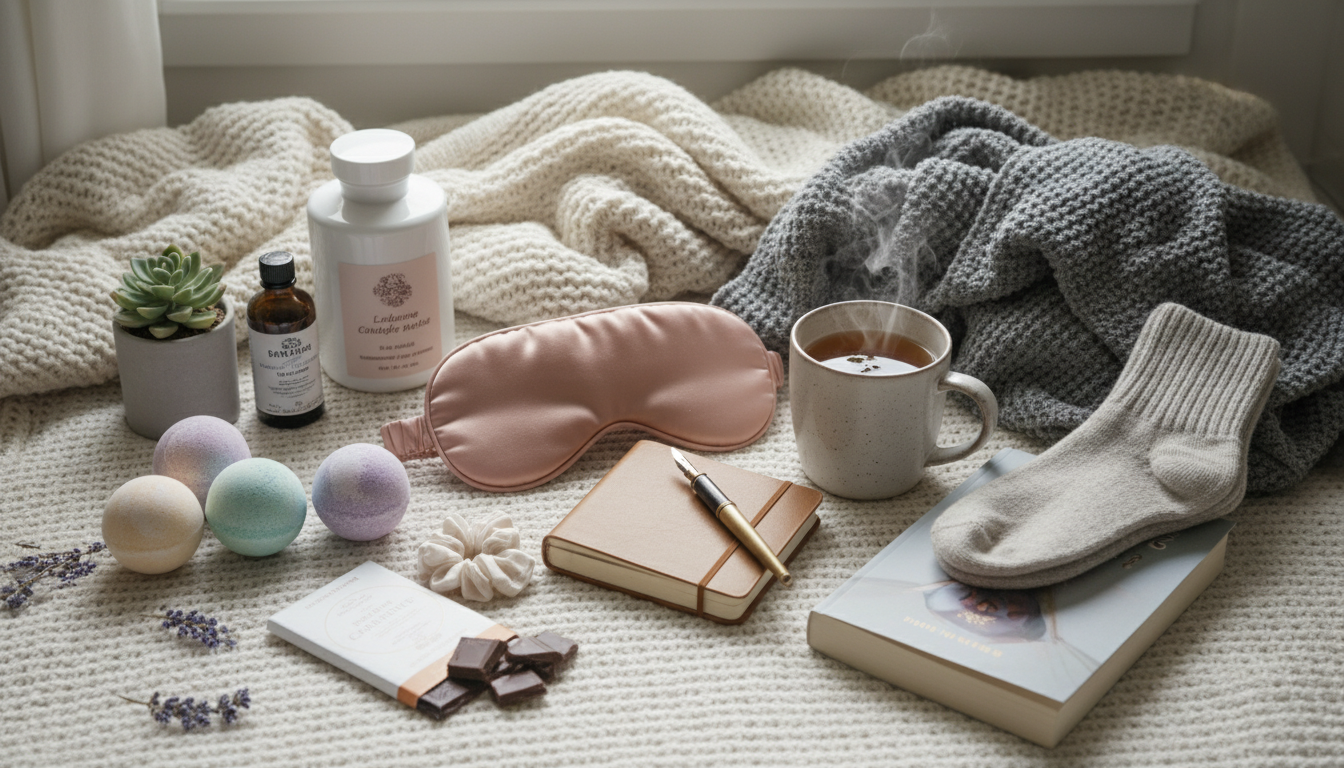
Weighted blankets have garnered attention for their physiological and psychological benefits, particularly in modulating the sleep-wake cycle. Clinical data indicate that the deep pressure stimulation from these blankets enhances feelings of safety and comfort. A significant study published in the Journal of Sleep Medicine and Disorders illustrates how these therapeutic devices can mitigate insomnia, addressing issues of sleep fragmentation often exacerbated by anxiety. Clinically, patients report that the act of cocooning themselves in weighted blankets can catalyze a parasympathetic response, thereby reducing stress-induced cortisol levels.
The Role of Self-Improvement Journals in Mental Health Management
From a therapeutic lens, self-improvement journals function as an important tool for emotional regulation. Such journals provide a structured outlet for patients to articulate ongoing struggles, effectively diminishing interstitial stress. The habitual act of writing serves dual purposes: it enhances introspective capabilities while also stimulating neuroplasticity through the re-allocation of cognitive resources. Numerous studies affirm that the regular practice of journaling can facilitate a reduction in negative affect, making it a pivotal component of holistic self-care protocols.
Skincare Products: The Intersection of Self-Care and Self-Esteem
The acquisition of skincare products is often misinterpreted as superficial vanity; however, from a clinical viewpoint, it represents a fundamental aspect of self-care that can significantly influence mental health. Quality self-care, as substantiated by various psychological studies, correlates with increased self-esteem and a profound sense of self-worth. This acquisition behavior can thus serve as a therapeutic pathway, promoting positive outcomes in overall emotional health.
The Calming Effects of Herbal Teas: A Therapeutic Ritual
In clinical practice, the ritualistic preparation and consumption of herbal teas have demonstrated notable calming effects amongst individuals experiencing stress. Well-being researcher Jasmin Tahmaseb-McConatha posits that the sensory engagement—aroma and warmth—associated with tea drinking plays a crucial role in alleviating anxiety. The ritual itself becomes a momentary pause, allowing for cognitive re-calibration during tumultuous periods.
Comfort Clothing: Physiological and Psychological Relief
The transition to wearing comfort-focused clothing reflects a profound shift in self-perception, particularly in high-stress contexts. Evidence suggests that wearing loose-fitting garments can attenuate the physical manifestations of anxiety, improving overall comfort and facilitating emotional stability. In clinical observations, women often report feeling increasingly suffocated in restrictive clothing, making the choice of comfort wear a potential mitigating factor in their mental health state.
Aromatherapy: The Psychological Impact of Scented Candles
The use of scented candles transcends mere aesthetic pleasure; scientific inquiries reveal that olfactory stimuli can significantly influence mood by engaging the limbic system. Research indicates that the olfactory receptor pathways stimulate the production of mood-regulating neurotransmitters like serotonin and dopamine. Psychotherapist Chryssa Chalkia highlights these pathways to emphasize the importance of integrating aromatic therapy strategies in comprehensive mental health care.
Nutritional Choices: The Efficacy of Comfort Foods
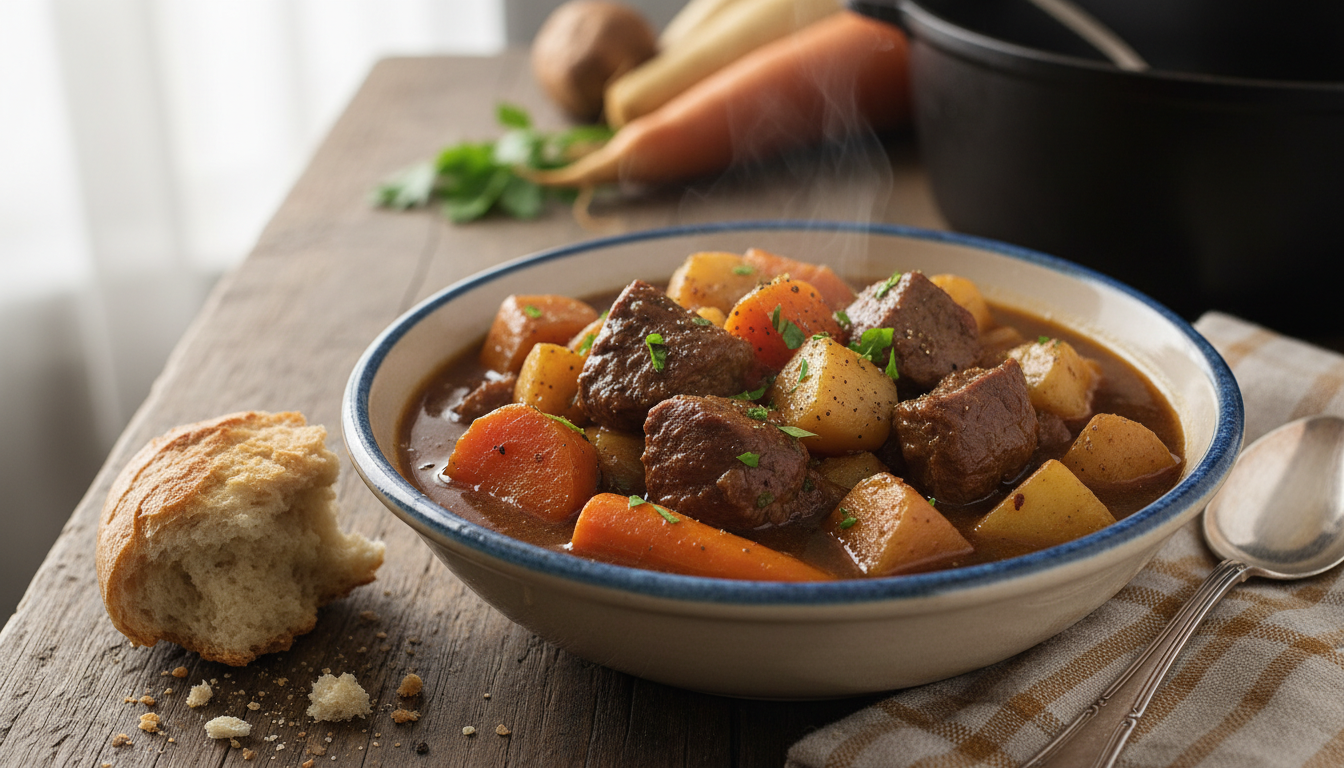
Ordering takeout can serve as a rudimentary coping strategy among individuals facing overwhelming culinary demands. While not physically optimal, the consumption of comfort foods has been clinically associated with mood enhancement. A study cited in Psychological Science substantiates this claim, demonstrating that the familiarity and sensory pleasure associated with comfort foods can promote a temporary uplift in emotional states. Hence, moderation may facilitate psychological recuperation rather than exacerbate feelings of guilt or shame.
Biomarkers of Well-Being: Supplements and Nutraceuticals
The surge in purchases of supplements and wellness products often reflects women’s preemptive strategies to manage health anxieties related to busy lifestyles. The increasing availability of bioavailable nutraceuticals allows for better individual health management, potentially improving metabolic flexibility. Clinical observations indicate that these products, aimed at enhancing physical wellness, can also serve as psychological pacifiers for those grappling with existential health concerns.
New Hobbies: Cultivating Psychological Resilience
Engagement in novel hobbies represents a crucial coping mechanism. Psychologist Mark Travers notes that physical, creative, and intellectual pursuits strengthen neural pathways, allowing individuals to reconnect with dormant aspects of their identity. Pursuing a new hobby can serve as a cognitive distraction, mitigating feelings of overwhelm and enhancing overall resilience.
Organizational Items: Restoring Order Amid Chaos
The act of purchasing organizational items is frequently a manifestation of an internal desire to regain control. Clutter has been shown to adversely affect mental health, resulting in increased feelings of anxiety. Clinical protocols often incorporate decluttering as a cognitive behavioral strategy aimed at alleviating emotional distress. The resulting tidy environment fosters a sense of accomplishment, further contributing to improved mental health.
The Psychological Value of Plants
Finally, incorporating plants into personal spaces can provide substantial psychological benefits. A study published in the Journal of Physiological Anthropology articulates that interacting with indoor plants reduces physiological and psychological stress. This engagement allows for a re-connection with nature, serving as a therapeutic escape from daily pressures.
Practitioner’s Summary
Understanding women’s purchasing behaviors in the context of psychological stress offers crucial insights into self-care strategies that align with therapeutic goals. The intersection of consumerism and mental health speaks volumes about underlying emotional states. Practitioners should encourage mindfulness surrounding these behaviors, framing them as opportunities for beneficial adjustment rather than mere indulgence. The aforementioned products not only offer temporary relief but could potentially serve as adjuncts to broader therapeutic protocols.
For further reading, explore our archived articles on the impact of self-care on mental health here, and dive deeper into consumer behavior trends here.
- Marielisa Reyes, BA Psychology, Wellness Columnist and Clinical Longevity Specialist