Managing Diabetes in Winter: Nutrition Strategies for Health
Understanding Seasonal Health Challenges
Winter brings unique challenges for individuals managing diabetes. A sedentary lifestyle and the tendency to indulge in unhealthy holiday foods contribute to rising blood sugar levels. Understanding these factors is essential for effective diabetes management during the winter months.
The Impact of Diet on Blood Sugar Levels
The Role of Glycemic Index
Diet plays a pivotal role in controlling blood sugar. Foods with a low glycemic index (GI) release glucose slowly into the bloodstream, preventing sudden spikes in insulin levels. Consider incorporating whole grains, legumes, and non-starchy vegetables to help maintain stable blood sugar.
Importance of Soluble Fiber
Soluble fiber is crucial for diabetics as it slows glucose absorption. Foods such as oats, beans, and chia seeds not only support blood sugar control but also promote satiety, preventing overeating. In winter, adding warm oatmeal or fiber-rich soups can be beneficial.
Nutrient-Dense Foods to Incorporate
Antioxidants and Inflammation
Antioxidant-rich foods combat inflammation, which is an essential factor in diabetes management. Berries, leafy greens, and nuts are excellent choices to include in your diet. These foods support overall health and can reduce oxidative stress associated with diabetes.
Healthy Fats and Proteins
Incorporating healthy fats and proteins enhances insulin sensitivity. Avocados, olive oil, and fatty fish like salmon are ideal winter foods that provide essential nutrients while supporting metabolic health.
Ayurvedic Perspectives on Nutrition
Balancing Prana Through Diet
Ayurveda emphasizes foods that balance prana, or life energy, promoting metabolic health. Incorporating spices like turmeric and ginger can enhance digestion and improve metabolic function, crucial for diabetes management during winter.
Nutrient-Rich Seasonal Foods
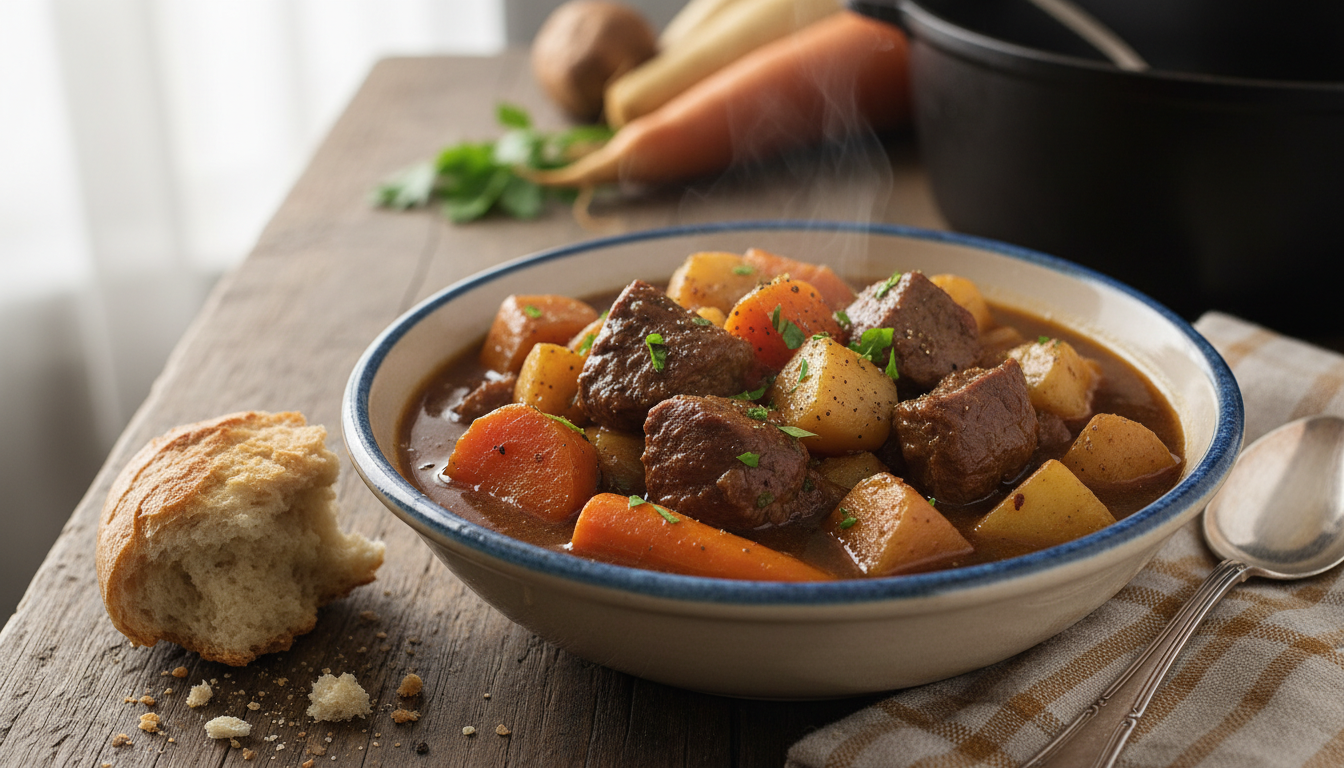
Seasonal vegetables like root crops (carrots and beets) and cruciferous vegetables (broccoli and cauliflower) are not only available but also nutritionally dense. These foods offer vitamins and minerals that are beneficial for maintaining health in colder climates.
Clinical Takeaway
For individuals with diabetes, winter nutrition requires strategic choices. Focus on low-GI foods, increase soluble fiber intake, and incorporate healthy fats and proteins into your meals. Regularly monitoring your blood sugar levels will provide insights into how these dietary changes impact your metabolic health.
Wellness Protocol for Winter Diabetes Management
- Meal Planning: Create a weekly meal plan focusing on low-GI foods and nutrient-dense ingredients.
- Stay Active: Incorporate at least 150 minutes of physical activity each week; consider indoor exercises during colder weather.
- Mindful Eating: Practice portion control and choose healthy alternatives to holiday treats.
- Hydration: Ensure adequate water intake to support overall health and metabolic function.
- Consultation: Regularly consult healthcare providers to adapt your diabetes management plan as needed.
By following these guidelines and understanding the crucial role of nutrition, individuals can effectively manage diabetes during the winter season while maintaining their overall wellness.