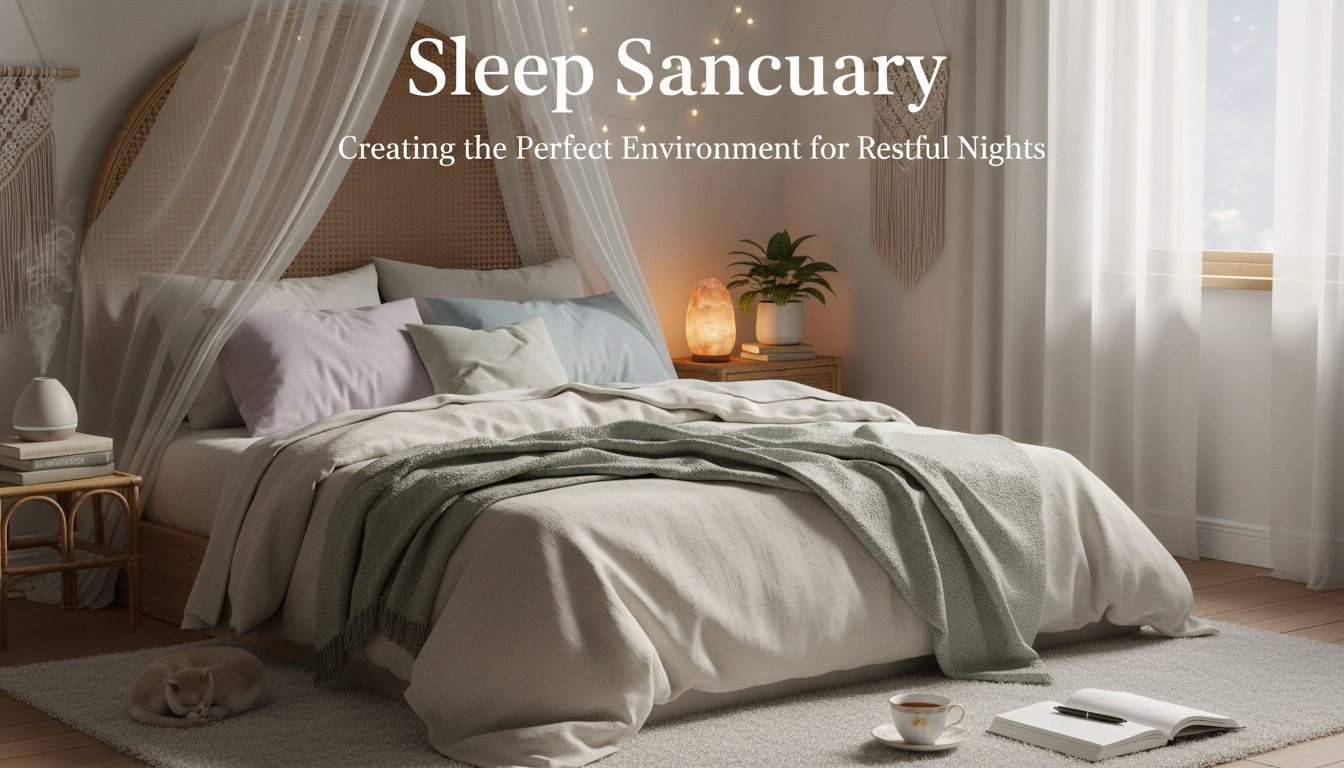
We’ve all stared at the ceiling at 2:47 AM, knowing we have to be up at 6:00. The clock feels like it’s mocking you, doesn’t it? It’s not some quirky insomnia; it’s often a self-inflicted wound. We’re surrounded by noise and screens, and then we wonder why our brains won’t shut off. Let’s talk about building an actual sleep sanctuary, a place where rest isn’t a luxury, but a biological imperative.
Why Your Bedroom Feels Like a Battleground
Modern life is a circadian rhythm assassin. Artificial light, constant notifications, the endless scroll… it’s a mess, really. Your brain evolved for sunrise and sunset, not a blue-light binge. That phone glow is telling your system: “Hey, it’s noon! Time to hunt a woolly mammoth!” Because, dang it, I know the feeling. You’re just trying to relax.
The problem? Your body is fighting against you. Melatonin suppression is the name of the game. When your brain perceives light, it delays the release of melatonin. Less melatonin = less sleep. Beyond that, the constant stimulation keeps your mind racing. We need to actively dismantle those triggers. It’s not about “sleep hygiene” in a clinical sense; it’s about setting up an environment that practically forces you to relax. If you’re curious about actionable health and wellness strategies, the first step is controlling your environment.
Declutter Your Mind, Declutter Your Space
Think of your bedroom as a mental decompression chamber. Is it filled with reminders of work, bills, or that awkward conversation you had last week? Get rid of them. Seriously. The minimalist aesthetic isn’t just a trend; it’s a neurological necessity.
- Visual Noise: Clear surfaces. Hide cords. Ditch the piles of… stuff. Our brains are wired to process visual information. Less clutter equals less cognitive load.
- Digital Detox Zone: Absolutely no screens in the bedroom. No TV. No laptop. No phone (unless you’re using it for a sleep app with a red-light filter, and you’re disciplined enough not to check email). Buy an old-fashioned alarm clock. Seriously.
- The Comfort Factor: Invest in high-quality bedding. It’s not a frivolous expense; it’s an investment in your recovery. Think breathable fabrics, the right pillow firmness, and a weight that feels comforting, not constricting.
Sound and Light: The Unsung Sleep Saboteurs
Light and sound pollution are insidious. They disrupt sleep architecture, fragmenting your sleep cycles and preventing you from reaching the deep, restorative stages of SWS (Slow Wave Sleep).
- Blackout is Non-Negotiable: Invest in blackout curtains. Even the faintest glow from streetlights or a neighbor’s window can interfere with melatonin production.
- Soundproofing Strategies: If you live in a noisy environment, consider earplugs or a white noise machine. The goal is to create a consistent, calming soundscape that masks disruptive noises. A fan can work wonders.
- Temperature Regulation: Keep your bedroom cool. The ideal sleep temperature is typically between 60-67 degrees Fahrenheit. Your body temperature naturally drops as you fall asleep, and a cool environment facilitates this process.
The Ritual of Rest: Signaling “Sleep” to Your Brain
Consistency is key for circadian entrainment. Your body thrives on routine. Establish a pre-sleep ritual to signal to your brain that it’s time to wind down.
- The Power-Down Hour: Dim the lights an hour before bed. Read a physical book (not on a tablet). Listen to calming music. Take a warm bath. Whatever you do, avoid screens.
- Breathwork and Meditation: Even a few minutes of deep breathing or meditation can calm your nervous system and prepare you for sleep. There are countless apps and online resources available to guide you.
- Hydration and Digestion: Avoid drinking excessive amounts of fluids before bed to minimize nighttime awakenings. And be mindful of what you eat. Heavy meals or sugary snacks can disrupt sleep. Many are exploring evidence-based wellness protocols around intermittent fasting to sharpen metabolic health and enhance sleep quality.
Beyond the Bedroom: A Holistic Approach
Your sleep sanctuary extends beyond the four walls of your bedroom. It encompasses your entire lifestyle.
- Sunlight Exposure: Get plenty of sunlight during the day, especially in the morning. Sunlight helps regulate your circadian rhythm and promotes wakefulness.
- Regular Exercise: Physical activity can improve sleep quality, but avoid intense workouts close to bedtime.
- Caffeine and Alcohol: Limit your caffeine intake, especially in the afternoon and evening. And while alcohol may initially make you feel sleepy, it disrupts sleep architecture and can lead to fragmented sleep.
Building a sleep sanctuary isn’t about buying expensive gadgets or following the latest fad. It’s about creating an environment that supports your body’s natural sleep processes. It’s about taking control of your surroundings and prioritizing rest as an essential component of your overall health and well-being. It takes commitment, yes, but the rewards – improved mood, enhanced cognitive function, and a greater sense of vitality – are well worth the effort. It’s not just sleep; it’s recovery. And that’s something worth fighting for.