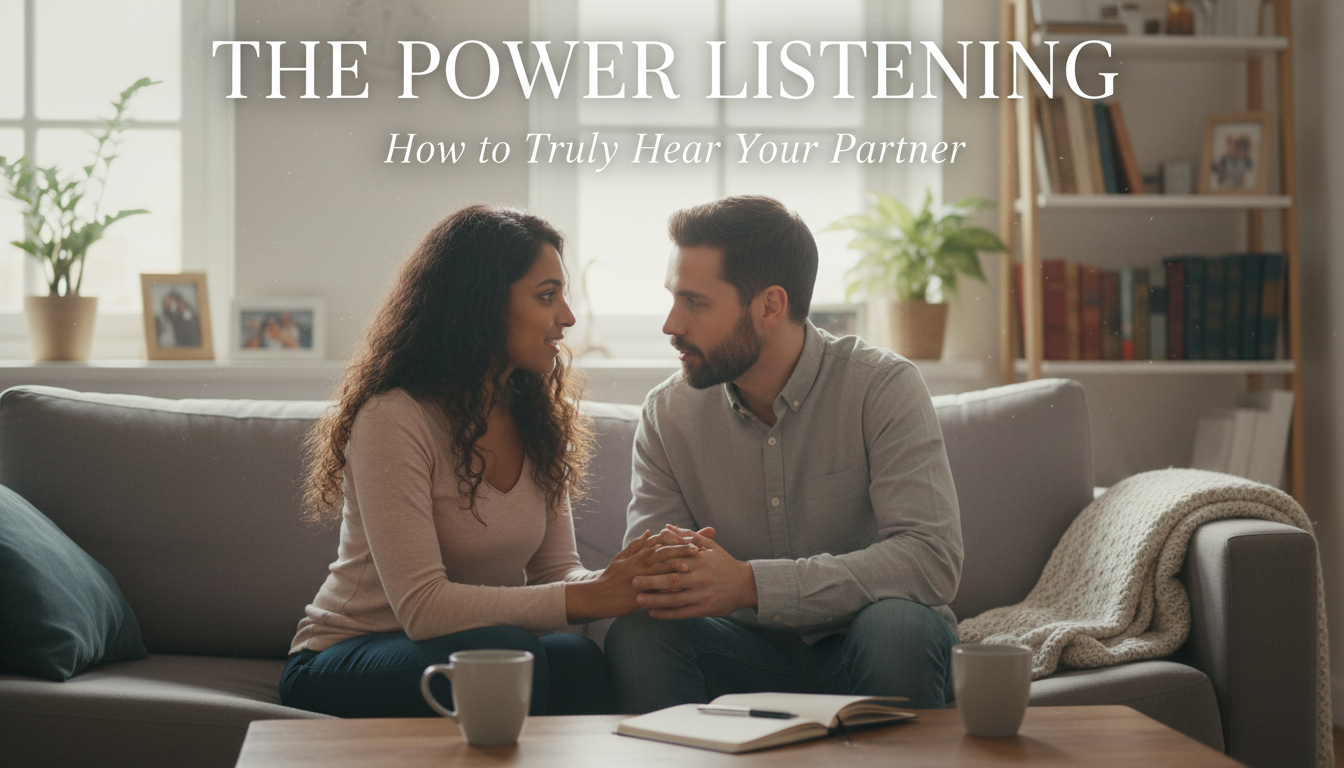
The Profound Impact of Truly Hearing Your Partner
In the intricate dance of relationships, communication is often touted as the key. But more specifically, the *quality* of that communication – and at its heart, the ability to truly listen – dictates the health and longevity of a partnership. Hearing, in its simplest form, is a sensory function. Listening, however, is an active, conscious choice to engage with what someone is saying, to understand not just the words, but the emotions, the subtext, and the unspoken needs behind them. It’s the difference between merely registering sound waves and deeply connecting with another human being.
Why Deep Listening Matters: Beyond Simple Communication
Why is deep listening so crucial? Because it validates your partner’s feelings and experiences. When someone feels heard, they feel understood, accepted, and valued. This fosters a sense of safety and security within the relationship, allowing for vulnerability and open communication. Consider the neurobiological perspective: When we feel safe and connected, our brains release oxytocin, often referred to as the “love hormone.” Oxytocin promotes bonding, trust, and empathy. Conversely, when we feel unheard or dismissed, our brains can trigger a stress response, releasing cortisol, which can lead to defensiveness, conflict, and emotional withdrawal. A Mayo Clinic article on effective communication underscores that active listening is a fundamental skill for building healthy relationships.
Furthermore, deep listening is about more than just preventing arguments. It’s about creating a shared understanding of each other’s worlds. It’s about uncovering hidden needs and desires. It’s about growing together, not just existing in parallel.
The Barriers to Effective Listening: What Gets in the Way?
Despite the obvious benefits, truly listening is often easier said than done. Several barriers can impede our ability to connect with our partners on a deeper level:
- Internal Distractions: Our own thoughts, worries, and anxieties can consume our attention, making it difficult to focus on what our partner is saying. We might be mentally rehearsing what we want to say next, judging their words, or simply zoning out.
- External Distractions: Noise, interruptions, and other environmental factors can disrupt our concentration and make it challenging to fully engage in the conversation.
- Assumptions and Biases: We often approach conversations with preconceived notions and biases, which can prevent us from truly hearing what our partner is trying to communicate. We might assume we already know what they’re going to say, or we might interpret their words through the lens of our own experiences and beliefs.
- Defensiveness: When we feel attacked or criticized, our natural instinct is to defend ourselves. This can lead to arguments, stonewalling, and a complete breakdown in communication.
- Lack of Empathy: Empathy is the ability to understand and share the feelings of another person. Without empathy, it’s difficult to truly connect with our partners and understand their perspective.
- Poor Listening Habits: Simple bad habits, like interrupting, finishing sentences, or offering unsolicited advice, can signal to our partner that we’re not truly listening.
Practical Strategies for Becoming a Better Listener
The good news is that listening is a skill that can be developed and refined. Here are some practical strategies to help you become a better listener in your relationship:
- Practice Active Listening: Active listening involves giving your full attention to your partner, showing that you’re engaged, and seeking to understand their perspective. This includes maintaining eye contact, nodding, using verbal affirmations (“I see,” “Uh-huh”), and asking clarifying questions.
- Minimize Distractions: Create a quiet and comfortable environment where you can focus on the conversation. Turn off the TV, put away your phone, and eliminate any other potential distractions.
- Suspend Judgment: Resist the urge to judge your partner’s words or experiences. Instead, try to understand their perspective without imposing your own beliefs or opinions.
- Show Empathy: Put yourself in your partner’s shoes and try to understand how they’re feeling. Acknowledge their emotions, even if you don’t necessarily agree with their perspective. “That sounds really frustrating,” or “I can see why you’re upset” can go a long way.
- Ask Clarifying Questions: Don’t be afraid to ask questions to ensure you understand what your partner is saying. “Can you tell me more about that?” or “What do you mean by…?” can help you clarify their meaning and avoid misunderstandings.
- Reflect Back What You Hear: Paraphrase what your partner has said to confirm that you understand them correctly. “So, if I’m hearing you correctly, you’re feeling overwhelmed by…” This shows that you’re paying attention and actively trying to understand their perspective.
- Validate Their Feelings: Acknowledge and validate your partner’s feelings, even if you don’t agree with them. “It’s understandable that you’re feeling angry,” or “Your feelings are valid.” This helps them feel heard and understood, even if you can’t solve their problems.
- Resist the Urge to Interrupt: Let your partner finish speaking before you respond. Interrupting can signal that you’re not listening or that you don’t value their perspective.
- Be Present: Truly be present in the moment. This requires a conscious effort to put aside your own thoughts and feelings and focus entirely on your partner.
- Listen to Understand, Not to Respond: The goal of listening should be to understand your partner’s perspective, not to formulate your response. Try to resist the urge to plan what you’re going to say next while they’re speaking.
The Art of Non-Verbal Listening
Listening isn’t just about hearing words. It’s also about paying attention to non-verbal cues, such as body language, facial expressions, and tone of voice. These cues can often provide valuable insights into your partner’s feelings and intentions. For example, a slumped posture and downcast eyes might indicate sadness or discouragement, while a tense jaw and crossed arms might suggest anger or defensiveness.
By paying attention to these non-verbal cues, you can gain a deeper understanding of your partner’s emotional state and respond more effectively. A Harvard Health article highlights the importance of non-verbal cues in communication, emphasizing that they often convey more meaning than words alone.
Cultivating a Culture of Listening in Your Relationship
Creating a culture of listening in your relationship requires ongoing effort and commitment from both partners. It’s about establishing a safe and supportive environment where each person feels comfortable expressing their thoughts and feelings without fear of judgment or criticism. This involves setting aside dedicated time for meaningful conversations, practicing empathy, and actively working to improve your listening skills.
Remember, listening is a two-way street. It’s not just about one person listening to the other; it’s about both partners actively engaging in the process and creating a shared understanding of each other’s worlds.
Your Next Steps
Building the skill of deep listening is an ongoing journey, not a destination. Be patient with yourself and your partner as you learn to navigate the complexities of communication. Start small. Practice one or two of the strategies mentioned above and gradually incorporate more into your daily interactions. Celebrate your successes and learn from your mistakes. Remember, the most important thing is to be intentional and committed to creating a culture of listening in your relationship.
Frequently Asked Questions (FAQs)
Here are some common questions about listening in relationships, along with detailed answers:
- Q: My partner talks constantly, and I never get a chance to speak. How can I improve the balance of the conversation?
- A: This is a common challenge. First, gently acknowledge their talkativeness. During a calm moment, say something like, “I’ve noticed that I sometimes feel like I don’t get a chance to fully express myself. I value our conversations, and I’d love to find a way to ensure we both feel heard.” Then, suggest specific strategies, such as taking turns speaking, using a timer to allocate equal time, or agreeing on a signal when you need to interject. The key is to approach the conversation with empathy and a desire to find a solution that works for both of you. It’s also worth exploring *why* your partner talks so much. Is it anxiety? A need to feel validated? Understanding the root cause can help you respond with more compassion and find healthier communication patterns. It’s also important to remember that being heard also involves actively listening to them and reflecting back what you hear; this might unconsciously encourage reciprocity.
- Q: I try to listen, but my mind wanders. What can I do to stay focused?
- A: Mind-wandering is a common issue, especially in today’s fast-paced world. Start by identifying your triggers. What situations or topics tend to make your mind drift? Once you know your triggers, you can take steps to mitigate them. Before engaging in a conversation, take a few deep breaths to center yourself. Focus on your senses: notice the colors in the room, the sounds around you, and the feeling of your feet on the ground. This can help ground you in the present moment. During the conversation, actively engage with what your partner is saying by asking clarifying questions and summarizing their points. If your mind starts to wander, gently bring it back to the present moment without judgment. Mindfulness meditation can also be a powerful tool for improving your focus and concentration over time.
- Q: How can I listen effectively when I strongly disagree with my partner’s point of view?
- A: Disagreement is a normal part of any relationship, but it doesn’t have to derail communication. The key is to separate your feelings from your listening. Acknowledge to yourself that you disagree, but commit to understanding your partner’s perspective before responding. Focus on what they’re saying, not on formulating your counterarguments. Ask clarifying questions to ensure you understand their reasoning. Even if you don’t agree with their conclusion, try to identify the underlying values or needs that are driving their point of view. Once you’ve fully understood their perspective, you can then express your own views in a respectful and constructive manner. Use “I” statements to avoid blaming or attacking. For example, instead of saying “You’re wrong,” try saying “I see it differently because…” Remember, the goal is to find common ground and understanding, even if you don’t reach a complete agreement.
- Q: My partner says I’m not listening, even when I think I am. What could I be doing wrong?
- A: This situation can be frustrating. It’s possible that you are listening, but your non-verbal cues are sending a different message. Consider your body language: Are you making eye contact? Are you nodding and showing that you’re engaged? Are you fidgeting or appearing distracted? It’s also possible that your tone of voice is conveying disinterest or judgment. Ask your partner for specific examples of when they feel you’re not listening. This will give you valuable feedback and help you identify areas for improvement. It could be as simple as putting down your phone when they’re speaking or ensuring you aren’t multitasking during important conversations. Moreover, explore what “listening” means to *them*. Do they primarily value empathy, problem-solving, or simply feeling heard? Understanding their specific needs will help you tailor your approach.
- Q: What if my partner refuses to listen to me?
- A: When one partner consistently refuses to listen, it can create a significant imbalance and strain in the relationship. First, express your feelings calmly and directly. Explain how their lack of listening affects you and the relationship. Use “I” statements to avoid blaming or accusing. If the problem persists, consider seeking professional help from a therapist or counselor. A therapist can provide guidance and support in improving communication skills and resolving underlying issues. Sometimes, the issue might stem from deeper relational problems or unresolved conflicts that require professional intervention. In some cases, the refusal to listen might be a sign of a more serious problem, such as emotional abuse or manipulation. In these situations, it’s important to prioritize your safety and well-being and seek appropriate support.
- Q: How can I create a safe space for my partner to share their feelings without judgment?
- A: Creating a safe space requires consistent effort and a commitment to empathy and understanding. Start by making it clear that you value their thoughts and feelings. Express your desire to understand their perspective, even if you don’t necessarily agree with it. Avoid interrupting, criticizing, or offering unsolicited advice. Instead, focus on listening actively and validating their emotions. Use phrases like “That sounds really difficult,” or “I can see why you’re feeling that way.” Show genuine empathy and compassion. Create a physical environment that is conducive to open communication. Choose a quiet and comfortable setting where you can both relax and focus on each other. Finally, be patient and understanding. It may take time for your partner to feel completely safe sharing their feelings, especially if they’ve had negative experiences in the past. Consistently demonstrating your support and acceptance will help build trust and create a stronger connection.
- Q: How can I tell if I’m truly listening or just pretending?
- A: Self-awareness is crucial. Ask yourself honest questions: Am I genuinely interested in what my partner is saying, or am I just waiting for my turn to speak? Am I trying to understand their perspective, or am I just trying to convince them of my own? Am I fully present in the moment, or am I distracted by my own thoughts and feelings? One helpful indicator is your ability to accurately summarize what your partner has said. If you can’t recall the main points or the emotions they were conveying, you may not have been truly listening. Another sign is your level of empathy. Are you able to connect with their feelings and understand their perspective, even if you don’t agree with it? If you find yourself frequently interrupting, offering unsolicited advice, or changing the subject, it’s likely that you’re not fully engaged in the conversation. Be honest with yourself and commit to improving your listening skills.