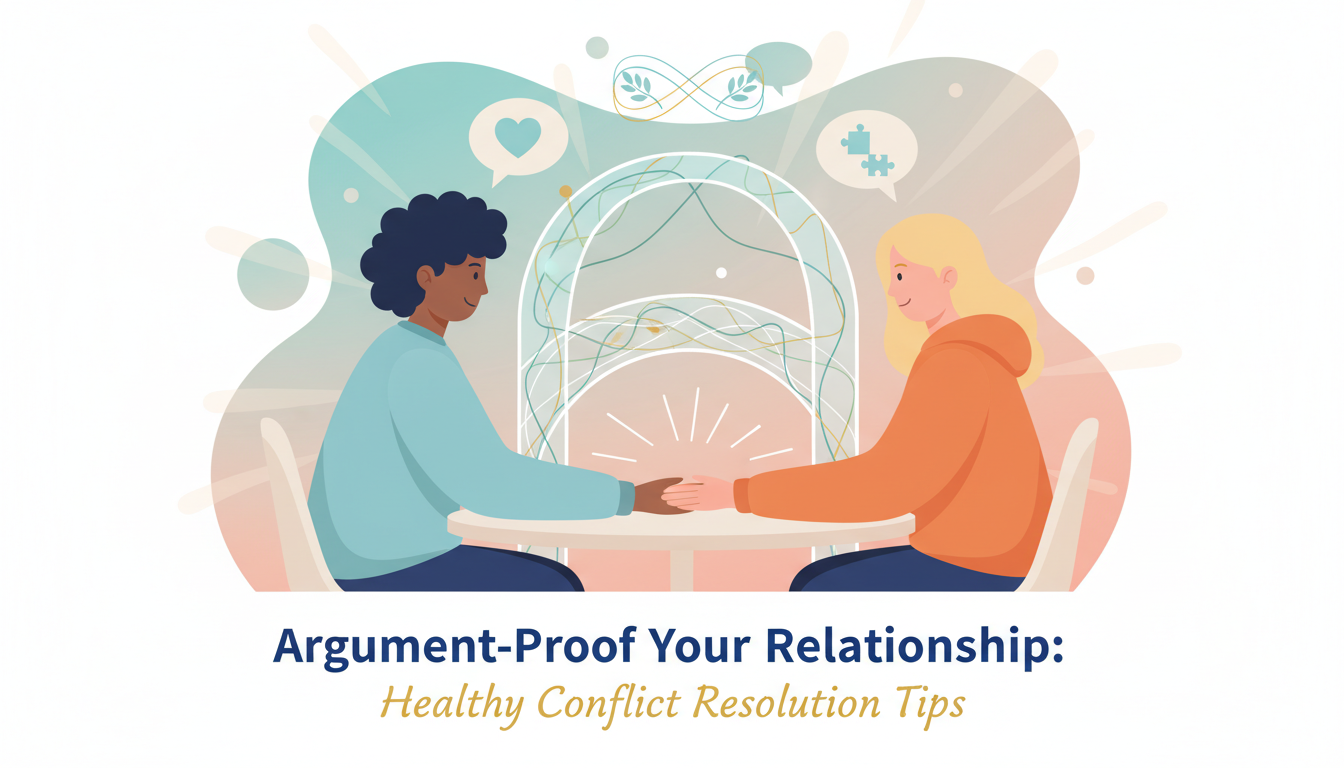
Navigating the Rapids: Building a Relationship Resilient to Conflict
Conflict. It’s a word that often evokes feelings of anxiety, tension, and perhaps even dread. But here’s a fundamental truth often missed: conflict itself isn’t the enemy. It’s the *way* we handle it that makes all the difference. In any close relationship, disagreements are inevitable. They’re a natural byproduct of two individuals, with unique backgrounds, perspectives, and needs, sharing a life. The real challenge – and the opportunity for growth – lies in learning to navigate these turbulent waters with skill, empathy, and a genuine commitment to understanding your partner.
Think of your relationship as a living organism. Occasional friction acts like a pruning process, allowing for new growth and stronger bonds. Suppressing conflict, on the other hand, is like neglecting a wound; it festers beneath the surface, ultimately causing more significant damage. This article will provide you with actionable strategies to transform your approach to conflict, turning potential battlegrounds into fertile ground for deeper connection and mutual understanding.
Understanding the Roots of Relationship Conflict
Before we dive into resolution techniques, it’s crucial to understand *why* conflicts arise in the first place. Often, the surface-level argument is merely a symptom of deeper, unmet needs or unresolved issues. Common culprits include:
- Communication breakdowns: Misunderstandings, assumptions, and poor listening skills are frequent offenders. We often hear what we *expect* to hear, rather than what is actually being said.
- Unmet expectations: These can be unspoken or poorly communicated. When our expectations of our partner, the relationship, or even ourselves are not met, disappointment and resentment can breed conflict.
- Power imbalances: Perceived or real inequalities in the relationship, whether financial, emotional, or social, can lead to power struggles and resentment.
- Differences in values and priorities: While shared values are essential for a strong relationship, differing priorities can create conflict if not addressed with respect and compromise. For example, one partner might prioritize career advancement while the other values family time above all else.
- External stressors: Job loss, financial strain, family issues, or even global events can significantly impact relationship dynamics and increase the likelihood of conflict. These stressors often deplete our emotional reserves, making us more reactive and less patient.
Furthermore, our individual attachment styles – the patterns of relating we develop based on our early childhood experiences – significantly influence how we approach conflict. An anxiously attached individual, for instance, might become clingy and demanding during a disagreement, while an avoidantly attached person might withdraw and shut down. Understanding your own and your partner’s attachment style can provide valuable insights into your conflict patterns.
Building a Foundation of Healthy Communication
At the heart of effective conflict resolution lies healthy communication. This isn’t just about talking; it’s about actively listening, expressing your needs assertively (not aggressively), and creating a safe space for open and honest dialogue. Here are some essential communication skills:
- Active Listening: This means paying full attention to your partner, both verbally and nonverbally. Put away distractions, make eye contact, and truly try to understand their perspective. Reflect back what you’re hearing to ensure you’ve understood correctly: “So, what I’m hearing is that you feel…”
- “I” Statements: Instead of using accusatory “you” statements (“You always do this!”), express your feelings and needs using “I” statements (“I feel hurt when… because I need…”). This focuses on your experience rather than blaming your partner.
- Empathy: Try to see the situation from your partner’s point of view. Even if you don’t agree with them, acknowledge their feelings and validate their perspective. “I understand why you feel that way, even though I see it differently.”
- Nonverbal Communication: Be mindful of your body language, tone of voice, and facial expressions. These can often speak louder than words. Maintain a calm and respectful demeanor, even when you’re feeling frustrated.
- Taking Breaks: When emotions run high, it’s okay to take a break to cool down. Agree to revisit the conversation later when you’re both in a calmer state of mind. However, ensure you *do* revisit it; avoiding the issue altogether will only allow it to fester.
Strategies for Effective Conflict Resolution
Beyond healthy communication, employing specific conflict resolution strategies can significantly improve your ability to navigate disagreements constructively. Consider these approaches:
1. Identify the Underlying Need
Often, the argument on the surface is masking a deeper, unmet need. Ask yourself: What is my partner *really* trying to tell me? What are they needing from me in this moment? Are they seeking validation, support, reassurance, or something else entirely? Similarly, identify your own underlying needs. Are you feeling unheard, unappreciated, or overwhelmed? Once you identify the core need, you can address it directly rather than getting bogged down in the surface-level argument.
2. Find Common Ground
Even in the midst of a heated disagreement, try to find points of agreement. What are you both working towards? What are your shared values? Focusing on common ground can help de-escalate the situation and create a sense of collaboration. For example, even if you disagree on how to handle finances, you might both agree on the importance of financial security for your family.
3. Compromise and Negotiation
Relationships are about give and take. Be willing to compromise and negotiate to find solutions that work for both of you. This might involve making concessions, finding middle ground, or brainstorming alternative solutions. Remember, the goal isn’t to “win” the argument; it’s to find a mutually acceptable outcome.
4. Seek Professional Help
Sometimes, despite your best efforts, you may struggle to resolve conflicts on your own. If you find yourselves stuck in recurring negative patterns, consider seeking professional help from a therapist or counselor. Couples therapy can provide you with tools and strategies to improve communication, resolve conflict, and strengthen your relationship. Mayo Clinic offers helpful insights into the benefits of marriage counseling.
5. Practice Forgiveness
Holding onto resentment and anger can poison a relationship. Forgiveness is essential for moving forward after a conflict. This doesn’t mean condoning your partner’s behavior, but rather releasing the negative emotions associated with the event. Forgiveness is a process, not an event, and it may take time to fully heal. Be patient with yourself and your partner.
The Biology of Conflict: Understanding Your Reactions
It’s helpful to understand the biological processes that occur during conflict. When we perceive a threat (even an emotional one), our bodies activate the “fight-or-flight” response. This triggers the release of stress hormones like cortisol and adrenaline, which can impair our ability to think clearly and communicate effectively. Our heart rate increases, our breathing becomes shallow, and our muscles tense up. This physiological response is designed to help us survive a physical threat, but it’s not always helpful in resolving relationship conflicts.
Learning to recognize the physical signs of stress – such as a racing heart, sweaty palms, or tense muscles – can help you intervene before the situation escalates. Practicing relaxation techniques, such as deep breathing or mindfulness, can help calm your nervous system and restore a sense of equilibrium. This allows you to approach the conflict from a more rational and grounded perspective.
Cultivating a Culture of Respect and Appreciation
Beyond specific conflict resolution techniques, fostering a culture of respect and appreciation in your relationship is paramount. Regularly expressing gratitude, acknowledging your partner’s contributions, and celebrating their successes can create a positive emotional environment that buffers against conflict. Small gestures of kindness and affection can go a long way in strengthening your bond and fostering a sense of connection. A healthy relationship is not just about resolving conflicts effectively; it’s about creating a relationship where conflict is less likely to arise in the first place.
Your Next Steps: Embracing the Journey of Growth
Building a relationship resilient to conflict is an ongoing process, not a destination. It requires commitment, patience, and a willingness to learn and grow both individually and as a couple. It’s about embracing the challenges that inevitably arise and using them as opportunities to deepen your connection and strengthen your bond. By implementing the strategies outlined in this article, you can transform your approach to conflict, turning potential battlegrounds into fertile ground for greater understanding, intimacy, and lasting love. Remember to be kind to yourselves. Every relationship has its unique challenges, and growth takes time.
Frequently Asked Questions
Here are some commonly asked questions about conflict resolution in relationships:
-
Q: Is it normal to argue in a relationship?
A: Yes, absolutely. As mentioned earlier, conflict is a natural and inevitable part of any close relationship. The absence of conflict is not necessarily a sign of a healthy relationship; it might indicate that one or both partners are avoiding difficult conversations or suppressing their feelings. The key is not to avoid conflict altogether, but to manage it constructively.
-
Q: How do I know when an argument is becoming unhealthy?
A: An argument becomes unhealthy when it involves personal attacks, name-calling, threats, or violence. These behaviors are disrespectful and damaging to the relationship. Other signs of an unhealthy argument include stonewalling (withdrawing from the conversation), defensiveness, and contempt (treating your partner with disdain or disrespect). If you find yourselves engaging in these behaviors regularly, it’s important to seek professional help.
-
Q: What if my partner refuses to communicate?
A: When one partner refuses to communicate, it can be incredibly frustrating. Try to approach the situation with empathy and understanding. Consider why your partner might be reluctant to communicate. Are they feeling overwhelmed, scared, or unheard? Create a safe space for them to share their feelings without judgment. If they are still unwilling to communicate, you may need to seek professional help from a therapist who specializes in communication issues.
-
Q: How can I rebuild trust after a conflict?
A: Rebuilding trust takes time and effort. It requires consistent honesty, transparency, and accountability. Acknowledge the hurt that you caused and take responsibility for your actions. Be willing to listen to your partner’s feelings without defensiveness. Show them through your actions that you are committed to rebuilding the relationship. Patience and consistency are key. Psychology Today offers additional insights into rebuilding trust.
-
Q: Is it ever okay to go to bed angry?
A: While it’s often advised to resolve conflicts before going to bed, sometimes it’s better to take a break and revisit the conversation when you’re both in a calmer state of mind. Trying to force a resolution when emotions are running high can often lead to further escalation. Agree to revisit the conversation later, but make sure you follow through. The key is to avoid using sleep as a way to avoid the issue altogether.
-
Q: What role do external stressors play in relationship conflict?
A: External stressors like job loss, financial strain, or family issues can significantly increase the likelihood of conflict in a relationship. These stressors often deplete our emotional resources, making us more reactive and less patient. It’s important to acknowledge the impact of these stressors and to provide each other with extra support and understanding during difficult times. Consider strategies for managing stress, such as exercise, meditation, or spending time in nature.
-
Q: My partner and I argue about the same things over and over. What can we do?
A: This indicates a pattern of unresolved issues. Instead of focusing on the specific details of each argument, try to identify the underlying need or unmet expectation driving the conflict. It might also be helpful to seek professional help from a therapist who can help you identify and break these negative patterns. Therapy can provide a safe space to explore these recurring issues and develop healthier communication strategies.