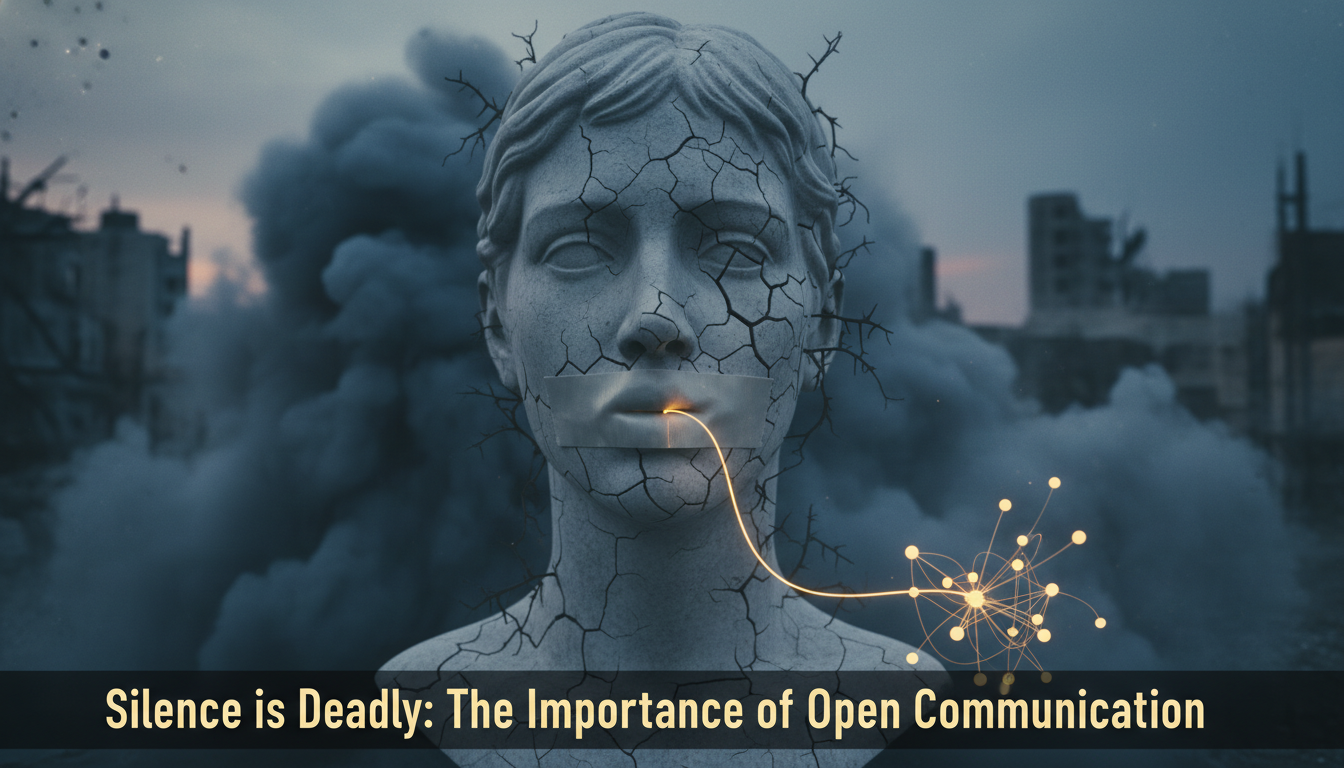
The Unspoken Epidemic: How Silence Can Undermine Your Well-being
We often hear about the importance of physical activity, proper nutrition, and adequate sleep for maintaining good health. But there’s another crucial element, often overlooked, that profoundly impacts our well-being: open communication. The absence of it, the suffocating silence, can be far more damaging than we realize. It’s not just about avoiding arguments; it’s about fostering genuine connection, understanding, and support—all vital components of a thriving life. When we bottle up our feelings, suppress our needs, and avoid difficult conversations, we’re not just preserving peace; we’re slowly eroding our physical and mental health.
The Physiological Toll of Suppressed Emotions
Consider this: our bodies are designed to process and release emotions. When we experience stress, fear, or sadness, our brains trigger the release of hormones like cortisol and adrenaline. These hormones prepare us for “fight or flight,” increasing our heart rate, blood pressure, and alertness. Normally, once the stressful situation has passed, these hormones subside, and our bodies return to a state of equilibrium. But what happens when we consistently suppress these emotions? The stress response becomes chronic. Our bodies remain in a state of heightened alert, even when there’s no immediate threat. This chronic stress can lead to a cascade of health problems, including:
- Weakened Immune System: Prolonged exposure to cortisol can suppress the immune system, making us more susceptible to infections and illnesses. Research from The American Psychological Association details the link between chronic stress and impaired immune function.
- Cardiovascular Issues: Chronic stress and suppressed emotions can contribute to high blood pressure, increased risk of heart attack, and stroke. The constant strain on the cardiovascular system takes a significant toll.
- Digestive Problems: The gut-brain connection is well-established. Stress can disrupt the delicate balance of bacteria in the gut, leading to bloating, constipation, irritable bowel syndrome (IBS), and other digestive issues.
- Chronic Pain: Suppressed emotions can manifest as physical pain, such as headaches, muscle tension, and back pain. This phenomenon is often linked to the body’s attempt to somatize unresolved emotional issues.
This is where the concept of “emotional debt” comes into play. Every time we avoid expressing our feelings or addressing conflicts, we accumulate emotional debt. This debt accumulates interest in the form of physical and mental health problems. It’s a debt that must eventually be paid, often with compound interest.
The Psychological Scars of Silence
The impact of silence extends far beyond the physical realm. It profoundly affects our mental and emotional well-being. Consider the following psychological consequences:
- Increased Anxiety and Depression: Suppressing emotions can lead to feelings of anxiety, hopelessness, and isolation. The constant effort to control and contain emotions drains our energy and leaves us vulnerable to mental health challenges.
- Low Self-Esteem: When we consistently prioritize the needs and opinions of others over our own, we can develop low self-esteem and a sense of worthlessness. We internalize the message that our thoughts and feelings are not important or valid.
- Relationship Problems: Open communication is the cornerstone of healthy relationships. When we avoid difficult conversations or fail to express our needs, we create distance and resentment. This can lead to misunderstandings, conflicts, and ultimately, the breakdown of relationships.
- Difficulty Trusting Others: Experiencing a lack of communication in important relationships, especially in childhood, can make it difficult to trust others. We may become hyper-vigilant, expecting betrayal or rejection.
- Emotional Numbness: Over time, the constant suppression of emotions can lead to emotional numbness. We may lose our ability to experience joy, excitement, and other positive emotions. This emotional detachment can make us feel disconnected from ourselves and others.
To understand this better, consider the analogy of a pressure cooker. Emotions are like steam. If the pressure cooker has a release valve (open communication), the steam can escape safely. But if the release valve is blocked (suppressed emotions), the pressure builds up until the cooker explodes. This explosion can manifest as a sudden outburst of anger, a panic attack, or a complete emotional breakdown.
Breaking the Cycle: Cultivating Open Communication
The good news is that we can break the cycle of silence and cultivate open communication in our lives. It’s a skill that can be learned and practiced. Here are some practical steps you can take:
- Identify Your Communication Style: Are you avoidant, passive, aggressive, or assertive? Understanding your communication style is the first step towards improving it.
- Practice Active Listening: Active listening involves paying attention to what the other person is saying, both verbally and nonverbally. It means putting aside your own thoughts and feelings and trying to understand their perspective.
- Use “I” Statements: “I” statements allow you to express your feelings and needs without blaming or accusing the other person. For example, instead of saying “You always make me feel…” say “I feel… when you…”
- Set Boundaries: Setting healthy boundaries is essential for protecting your emotional well-being. It means clearly communicating your limits and expectations to others.
- Seek Professional Help: If you’re struggling to communicate effectively or if you’re dealing with significant emotional issues, consider seeking professional help from a therapist or counselor. They can provide you with the tools and support you need to heal and grow.
The Power of Vulnerability
Open communication requires vulnerability – the willingness to show up authentically and share your true self with others. Vulnerability is not weakness; it’s strength. It takes courage to be vulnerable, but the rewards are immeasurable. Vulnerability fosters connection, intimacy, and trust. It allows us to build deeper, more meaningful relationships.
Communication Beyond Words: Body Language and Non-Verbal Cues
Effective communication isn’t solely about the words we use. A significant portion of our communication is non-verbal, conveyed through body language, facial expressions, tone of voice, and even silence itself. It’s crucial to be aware of these non-verbal cues, both in ourselves and in others, as they can significantly impact the message being received.
For example, crossed arms might indicate defensiveness or resistance, while direct eye contact often signifies honesty and engagement (although cultural differences apply). A tense jaw or furrowed brow can signal stress or disagreement, even if the person is verbally agreeing. Learning to interpret these cues accurately allows us to adjust our communication style and ensure that our message is being received as intended. Sometimes, simply observing a person’s body language can reveal far more than their words ever could.
Furthermore, being mindful of our own non-verbal cues is equally important. Are we maintaining eye contact? Is our posture open and inviting? Is our tone of voice calm and respectful? Incongruence between our words and our body language can create confusion and distrust. Strive for alignment between your verbal and non-verbal communication to ensure authenticity and clarity.
Moving Forward: Embracing Openness as a Path to Wellness
Silence is not golden; it’s often a warning sign. It’s a signal that something is amiss, that needs are not being met, and that emotions are being suppressed. By embracing open communication, we can break free from the shackles of silence and create healthier, happier lives. It’s not always easy. It requires courage, vulnerability, and a willingness to confront difficult issues. But the rewards are well worth the effort. Open communication is not just about avoiding conflict; it’s about fostering connection, understanding, and support – all essential ingredients for a life of well-being. Start small, practice consistently, and remember that every conversation, no matter how difficult, is an opportunity for growth and connection.
Frequently Asked Questions
-
Q: What if I’m afraid of conflict? How can I communicate openly without starting an argument?
A: Fear of conflict is a common obstacle to open communication. The key is to focus on expressing your needs and feelings in a non-accusatory way, using “I” statements. Instead of saying “You always do this,” try “I feel frustrated when this happens.” Active listening is also crucial. Listen to the other person’s perspective without interrupting or judging. Remember, open communication isn’t about winning an argument; it’s about understanding each other and finding mutually agreeable solutions. If the fear is overwhelming, consider practicing with a trusted friend or therapist to build your confidence.
-
Q: How do I communicate with someone who is unwilling to listen or engage in a conversation?
A: This can be a challenging situation. Start by choosing a time and place where the person is likely to be more receptive. Use a calm and respectful tone. If they still refuse to listen, it might be necessary to set boundaries. For example, you could say, “I’m willing to talk about this when you’re ready to listen respectfully.” Sometimes, seeking the help of a mediator or therapist can facilitate communication in such situations. It’s also important to recognize that you can’t force someone to communicate. Focus on controlling your own reactions and seeking support from others.
-
Q: What are some signs that I’m suppressing my emotions?
A: Signs of suppressing emotions can be subtle and varied. Some common indicators include frequent headaches or muscle tension, digestive problems, difficulty sleeping, increased irritability, feeling emotionally numb, avoiding social situations, and engaging in unhealthy coping mechanisms like overeating or substance abuse. If you notice these signs, it’s important to explore the underlying causes and develop healthier coping strategies.
-
Q: How can I encourage open communication in my family?
A: Creating a safe and supportive environment is crucial. Make it clear that everyone’s thoughts and feelings are valued. Establish regular family meetings where everyone has the opportunity to share their concerns and ideas. Practice active listening and encourage empathy. Model healthy communication skills yourself. Avoid interrupting or criticizing others. Be willing to apologize when you make a mistake. Remember, it takes time and effort to build a culture of open communication within a family.
-
Q: Is it ever okay to not communicate something? Are there situations where silence is better?
A: While open communication is generally beneficial, there are certainly situations where silence may be the more prudent choice. For example, if you are feeling extremely angry or upset, it’s often better to take a break and calm down before attempting to communicate. Saying something hurtful in the heat of the moment can damage relationships. Also, if you are sharing confidential information that could harm someone, it may be necessary to remain silent. Discretion and sensitivity are key. The goal is to communicate effectively and respectfully, not to simply unload your every thought and feeling indiscriminately.
-
Q: How does social media affect open communication?
A: Social media presents a mixed bag. On one hand, it can facilitate connection and provide a platform for sharing thoughts and feelings. On the other hand, it can also hinder genuine communication. Online interactions often lack the nuances of face-to-face conversations, making it easier to misinterpret messages. The pressure to present a perfect image online can also discourage vulnerability and authenticity. It’s important to be mindful of how social media is affecting your relationships and to prioritize real-life interactions over online ones. Furthermore, online arguments can quickly escalate due to the lack of non-verbal cues and the anonymity afforded by the internet. Be thoughtful about what you share online and how you engage with others.
-
Q: I’ve tried communicating openly, but it always backfires. What am I doing wrong?
A: It’s possible that the issue isn’t just what you’re saying, but *how* you’re saying it. Even with good intentions, the delivery can make a difference. Are you truly listening to the other person’s perspective, or are you just waiting for your turn to speak? Is your body language conveying defensiveness or openness? It’s also possible that the other person has unresolved issues that are interfering with their ability to communicate effectively. It can also mean that the other person has a different communication style or needs. In such cases, professional guidance from a therapist or counselor may be necessary. Don’t give up on the process. Analyze your communication patterns, seek feedback from trusted sources, and continue to refine your approach. Mindful.org offers some great tips on practicing mindful listening, which is crucial for good communication.