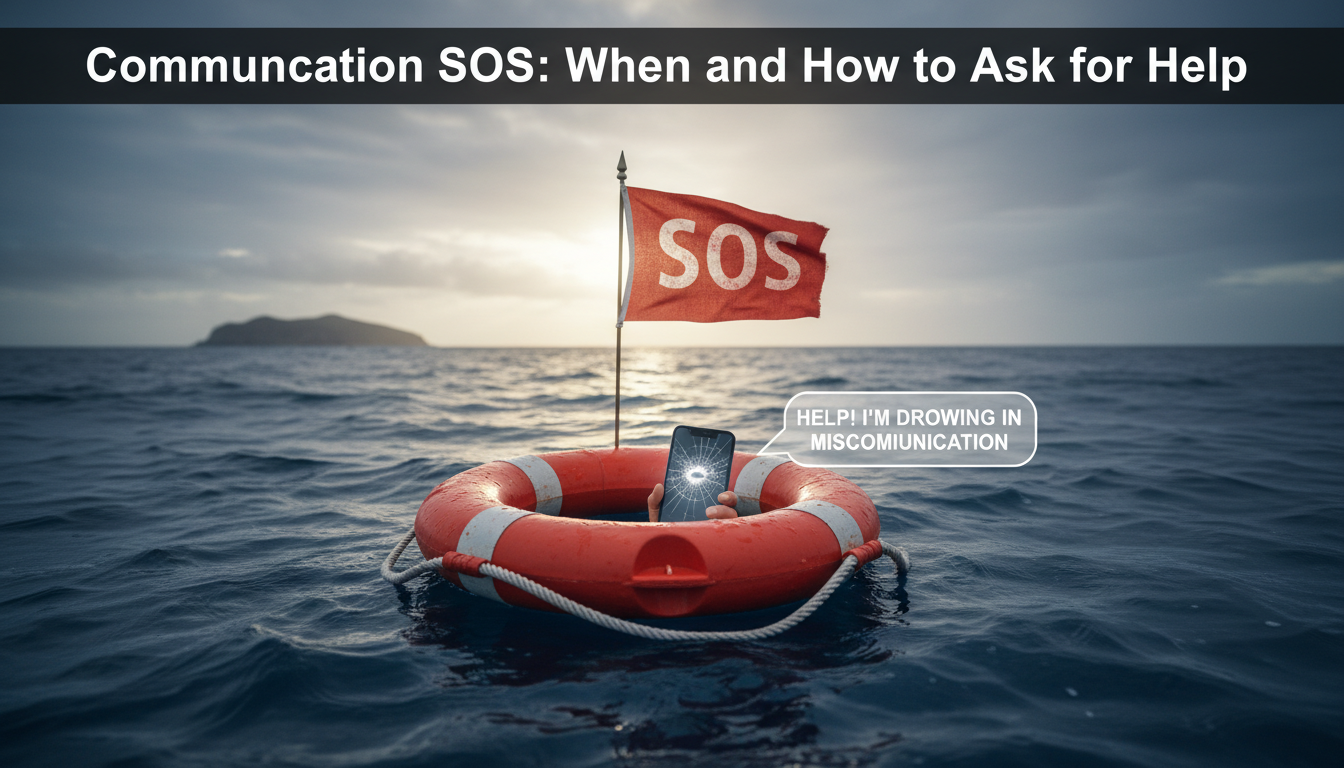
It’s a universal truth: we all need help sometimes. Yet, asking for it can feel like navigating a minefield of vulnerability, pride, and fear. Knowing when and how to ask for support is a critical life skill, one that profoundly impacts our mental, emotional, and even physical wellbeing. It’s not about weakness; it’s about strength, resilience, and self-awareness. But the path to skillful help-seeking is rarely straightforward.
Decoding the SOS: Recognizing the Need
The first hurdle is often recognizing that we need help in the first place. Our society often glorifies independence and self-reliance, making it easy to fall into the trap of believing we should handle everything on our own. This can lead to a dangerous delay in seeking assistance, allowing problems to fester and escalate.
The Biological SOS: Physical Signals
Our bodies are often the first to sound the alarm. Chronic stress, sleep disturbances, changes in appetite, persistent fatigue, and unexplained aches and pains can all be red flags. These physical symptoms are often a result of the hypothalamic-pituitary-adrenal (HPA) axis, our body’s central stress response system, being chronically activated. Mayo Clinic describes how prolonged stress can disrupt nearly every system in the body. Ignoring these signals can lead to more serious health problems down the line.
The Psychological SOS: Mental and Emotional Cues
Beyond the physical, emotional and cognitive shifts can signal the need for intervention. Increased anxiety, persistent sadness, difficulty concentrating, feelings of overwhelm, irritability, and a general loss of interest in activities you once enjoyed are significant warning signs. These psychological shifts can stem from disruptions in neurotransmitter balance, such as serotonin and dopamine, impacting mood and motivation. Feeling constantly “on edge” or experiencing intrusive thoughts are also reasons to seek support.
The Behavioral SOS: Changes in Actions and Habits
Our behavior provides another critical layer of information. Changes in social interactions, withdrawal from friends and family, increased reliance on substances (alcohol, drugs, or even food as a coping mechanism), neglecting personal hygiene, procrastination, and difficulty meeting responsibilities all point to underlying distress. These behavioral changes often reflect attempts to self-soothe or escape from overwhelming emotions or situations.
The Art of Asking: Effective Communication Strategies
Once you’ve recognized the need, the next step is formulating the request. This can be a daunting task, but with the right approach, it becomes much more manageable.
Knowing *Who* to Ask: Matching Needs to Resources
Not all support is created equal. Before asking, take a moment to identify the specific type of help you need. Do you need emotional support, practical assistance, professional guidance, or simply someone to listen? Matching your needs to the right person or resource is crucial. A close friend might be perfect for emotional support, but a therapist is better equipped to address complex mental health issues. Your supervisor might be the appropriate person to discuss workload concerns, while a financial advisor can offer guidance on money matters.
The Power of “I” Statements: Assertive Communication
When expressing your needs, using “I” statements is essential. This approach focuses on your own feelings and experiences, rather than placing blame or accusing others. For example, instead of saying “You never listen to me,” try “I feel unheard when I’m trying to share my thoughts.” This phrasing is less likely to trigger defensiveness and more likely to foster a productive conversation.
Being Specific and Direct: Avoiding Ambiguity
Clarity is key. Avoid vague requests like “Can you help me with something?” Instead, be specific about what you need and how the other person can assist you. For example, “I’m feeling overwhelmed with this project. Would you be willing to review my progress and offer some feedback?” or “I’m struggling with anxiety. Would you be open to listening to me vent for a few minutes?” The more specific you are, the easier it is for the other person to understand your needs and offer appropriate support.
Acknowledging Boundaries and Limitations: Respecting Others
It’s important to acknowledge that the person you’re asking for help may not be able or willing to provide it. Respect their boundaries and limitations. Avoid pressuring them or making them feel guilty. If they decline, thank them for their consideration and explore other options. Remember, their inability to help doesn’t diminish your worth or your right to seek support elsewhere.
Navigating the Internal Roadblocks: Addressing Fears and Obstacles
Even with the best communication strategies, internal barriers can prevent us from asking for help. Understanding and addressing these obstacles is crucial.
The Fear of Being Judged: Challenging Negative Beliefs
One of the most common barriers is the fear of being judged. We worry about appearing weak, incompetent, or burdensome. These fears often stem from deeply ingrained beliefs about ourselves and the expectations of others. Challenge these negative beliefs by reminding yourself that everyone needs help sometimes and that seeking support is a sign of strength, not weakness. Remember that people who care about you want to support you.
The Trap of Perfectionism: Letting Go of Unrealistic Standards
Perfectionism can be a major obstacle to seeking help. We believe we should be able to handle everything on our own and that asking for assistance is an admission of failure. Recognize that perfection is an unattainable ideal and that it’s okay to make mistakes and need support. Embrace vulnerability and allow yourself to be human.
The Belief That You’re “Bothering” Others: Reframing Your Perspective
Many people hesitate to ask for help because they fear they’ll be burdening others. They worry about imposing on their time, energy, or resources. Reframe this perspective by considering the reciprocal nature of relationships. We all have times when we need help and times when we can offer it. Think about how good it feels to support someone you care about. By allowing others to help you, you’re giving them the opportunity to experience that same sense of satisfaction and connection.
The Difficulty Identifying Needs: Building Self-Awareness
Sometimes, the challenge isn’t the act of asking, but rather the difficulty in identifying precisely what kind of support we need. Cultivating self-awareness is key. Practice mindfulness, journaling, or talking to a trusted friend or therapist to gain a better understanding of your emotions, needs, and patterns of behavior. The clearer you are about what you need, the easier it will be to ask for it.
Beyond Individual Action: Building a Supportive Environment
Creating a culture where asking for help is encouraged, not stigmatized, is essential for individual and collective wellbeing.
Leading by Example: Modeling Vulnerability
One of the most powerful ways to promote help-seeking is to lead by example. Be open about your own struggles and willing to ask for help when you need it. This demonstrates that vulnerability is acceptable and encourages others to do the same.
Creating Safe Spaces for Sharing: Fostering Trust
Cultivate environments where people feel safe to share their experiences and ask for support without fear of judgment. This can be achieved through active listening, empathy, and non-judgmental responses.
Normalizing Mental Health Discussions: Reducing Stigma
Openly discuss mental health and wellbeing to reduce stigma and encourage people to seek help when they need it. Share resources and information about mental health services. Encourage conversations about mental health in the workplace, at school, and in your community. Harvard Health offers extensive resources for understanding and addressing mental health challenges.
Promoting Help-Seeking Resources: Making Support Accessible
Ensure that people have access to the resources they need, whether it’s mental health services, support groups, or practical assistance programs. Make information about these resources readily available and easily accessible.
Moving Forward: Embracing Interdependence
Asking for help is not a sign of weakness, but a testament to our strength, resilience, and self-awareness. By recognizing the need for support, mastering effective communication strategies, navigating internal barriers, and building a supportive environment, we can transform the act of asking for help from a source of anxiety into a source of empowerment. It’s about embracing our interdependence and recognizing that we are all interconnected and rely on each other for support and wellbeing.
FAQs: Your Questions Answered
Q1: What if I ask for help and the person says “no”? How should I handle that?
It’s natural to feel disappointed if someone declines your request for help. First, acknowledge your feelings without judgment. Understand that their “no” isn’t necessarily a reflection on you or your worthiness of support. They might have their own limitations, commitments, or boundaries. Thank them for considering your request and then focus on exploring alternative options. Could you ask someone else? Are there other resources available? Remember, one person’s inability to help doesn’t mean you’re left without options.
Q2: I’m afraid of burdening my friends and family with my problems. What can I do?
This is a common concern. Start by reframing your perspective. Think about the times you’ve supported your friends and family – how did it make you feel? Most people genuinely care about those close to them and want to offer support. However, it’s also important to be mindful of their capacity. Avoid constantly unloading all your problems on one person. Instead, spread your requests for support among different individuals, depending on their strengths and availability. Consider professional help, such as therapy, for more complex or persistent issues.
Q3: How do I know if my problem is “big enough” to ask for help?
There’s no objective threshold for determining when a problem is “big enough.” If it’s causing you significant distress, impacting your daily life, or preventing you from functioning effectively, it’s worth seeking support. Trust your instincts. Don’t minimize your feelings or compare your struggles to others. If you’re unsure, talking to a therapist or counselor can help you assess the situation and determine the best course of action.
Q4: What if I don’t have anyone to ask for help?
This can be a challenging situation, but it’s not uncommon. Start by exploring community resources. Many organizations offer free or low-cost support services, such as mental health counseling, support groups, and financial assistance programs. Consider joining a club or group based on your interests to build social connections. Online support groups and forums can also provide a sense of community and belonging. If you’re struggling with your mental health, reaching out to a crisis hotline or mental health professional is essential.
Q5: How can I become more comfortable with vulnerability and asking for help?
Vulnerability is a skill that develops over time. Start small by sharing something personal with a trusted friend or family member. Practice being open and honest about your feelings, even when it feels uncomfortable. Challenge your negative beliefs about vulnerability. Remind yourself that it’s a sign of strength, not weakness. Focus on building self-compassion. Treat yourself with the same kindness and understanding you would offer to a friend. The more you practice vulnerability, the more comfortable it will become.
Q6: Are there specific ways to ask for help at work without looking incompetent?
Absolutely. Frame your requests as opportunities for collaboration and growth, not admissions of failure. Instead of saying “I don’t know how to do this,” try “I’m working on this project, and I’d appreciate your insights on [specific aspect]. Would you be available for a brief meeting to discuss it?” Focus on solutions, not problems. Show that you’ve already put in effort and are actively seeking to improve. Seek feedback regularly and be open to learning from others. Remember, asking for help is a sign of a proactive and engaged employee.
Q7: How do I help someone who is clearly struggling but refuses to ask for help?
This requires a delicate approach. Avoid pressuring or lecturing the person. Instead, express your concern in a caring and non-judgmental way. For example, “I’ve noticed you seem stressed lately, and I’m worried about you. I’m here if you need anything.” Offer specific types of support, such as listening, running errands, or helping with childcare. Normalize seeking help by sharing your own experiences or highlighting the benefits of therapy or counseling. Be patient and persistent. It may take time for the person to feel comfortable asking for help. If you’re concerned about their safety, encourage them to contact a crisis hotline or mental health professional.