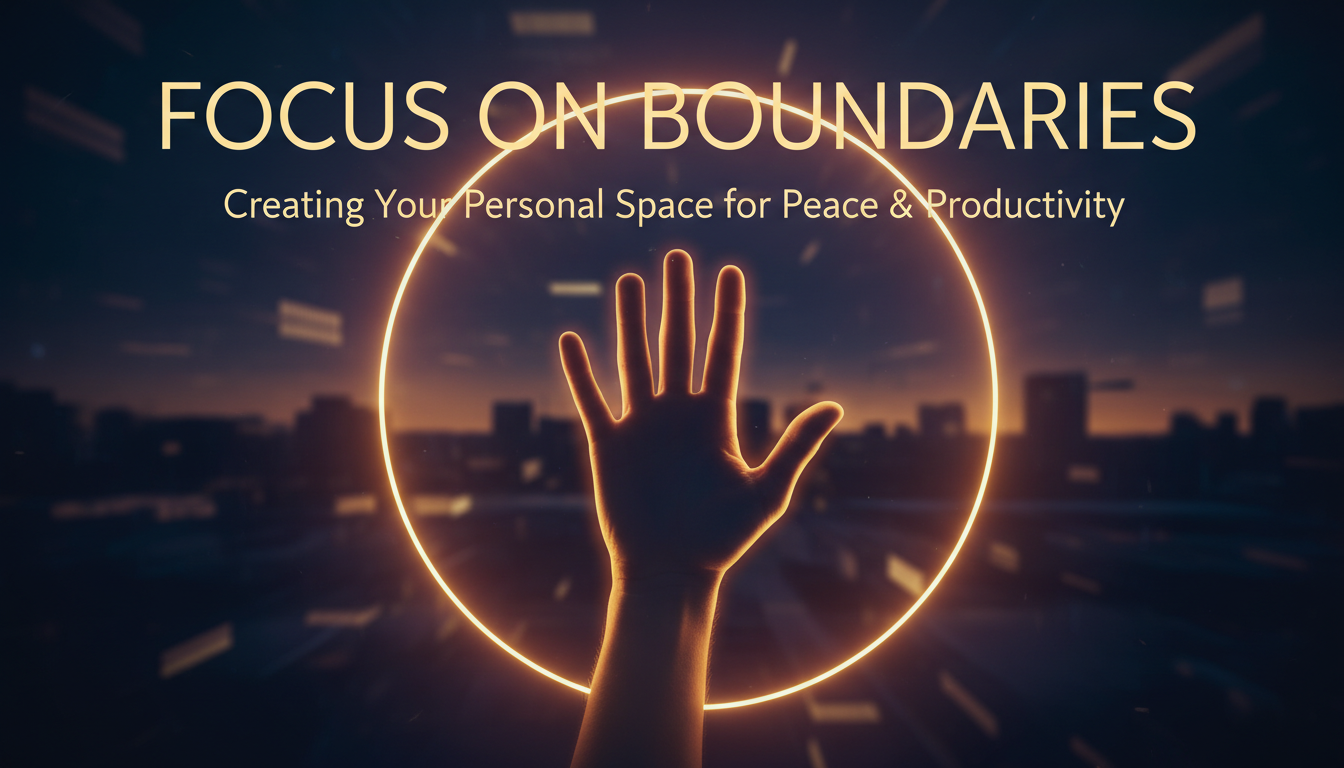
Here’s the article:
Understanding and Establishing Healthy Boundaries: A Guide to Well-being
Boundaries. The word itself can feel daunting, conjuring images of rigid walls or strained relationships. But healthy boundaries are not about building walls; they are about constructing fences around your garden – protecting what is valuable, allowing you to thrive, and creating a clear distinction between your responsibilities and those of others. They are the cornerstone of self-respect, healthy relationships, and overall well-being. Without them, we risk burnout, resentment, and a diminished sense of self.
What Exactly Are Boundaries?
At their core, boundaries are the limits we set to define what we’re comfortable with and what we’re not. These limits apply to various aspects of our lives, including physical, emotional, mental, and even material resources. Think of them as personal guidelines that protect your energy, time, and sense of self. They dictate how you want to be treated and how you will treat others.
Boundaries can be:
- Physical: Related to your personal space, touch, and physical safety. Examples include saying no to unwanted hugs or requesting that someone not smoke in your presence.
- Emotional: Protecting your feelings and preventing others from taking responsibility for them or manipulating them. This involves recognizing that you are not responsible for other people’s emotions and vice-versa.
- Mental: Guarding your thoughts, beliefs, and opinions. This means being selective about the information you consume and not allowing others to impose their beliefs on you.
- Material: Defining what you are willing to share or lend, whether it’s money, possessions, or your time.
- Time: Protecting your schedule and ensuring you have enough time for your own needs and priorities. Saying “no” to extra commitments that drain your energy is a crucial component.
Why Are Boundaries So Important?
Boundaries are not selfish; they are essential for self-preservation and healthy relationships. Without them, we open ourselves up to:
- Burnout: Constantly giving without replenishing leads to emotional and physical exhaustion. When we repeatedly violate our own needs to meet others’ demands, our cortisol levels remain elevated, triggering the body’s stress response. Over time, this can lead to chronic fatigue, weakened immunity, and increased risk of cardiovascular disease. Mayo Clinic offers a great overview of burnout symptoms and strategies for prevention.
- Resentment: When we consistently do things we don’t want to do, we begin to resent the person or situation that is causing us to compromise our needs. This resentment can poison relationships and erode trust.
- Loss of Identity: Continuously prioritizing others’ needs over our own can blur the lines of who we are and what we value. We may find ourselves living a life dictated by external expectations rather than internal desires.
- Anxiety and Depression: Feeling controlled or taken advantage of can significantly impact our mental health, leading to feelings of anxiety, helplessness, and depression.
- Dysfunctional Relationships: Unclear boundaries create fertile ground for manipulation, codependency, and other unhealthy relationship dynamics.
The Science Behind Boundaries: A Psychological Perspective
The development of healthy boundaries is deeply rooted in our early childhood experiences. Attachment theory, developed by John Bowlby and Mary Ainsworth, highlights the importance of secure attachment in forming healthy relationships later in life. Children who experience consistent and responsive caregiving learn to trust others and develop a strong sense of self. This foundation makes it easier for them to establish and maintain healthy boundaries as adults.
Conversely, children who experience inconsistent or neglectful caregiving may develop insecure attachment styles, which can lead to difficulties in setting and maintaining boundaries. They may struggle with people-pleasing behaviors, fear of abandonment, or difficulty trusting others. These early experiences can create deeply ingrained patterns that require conscious effort to change.
Recognizing Boundary Violations: Signs to Watch For
Being able to identify when your boundaries are being crossed is the first step in protecting them. Some common signs include:
- Feeling resentful, angry, or frustrated after interacting with someone.
- Feeling obligated to do things you don’t want to do.
- Constantly saying “yes” when you really want to say “no.”
- Feeling drained or exhausted after spending time with certain people.
- Experiencing anxiety or guilt when asserting your needs.
- Feeling like you are being taken advantage of.
- Having difficulty saying “no” to requests, even when you are overwhelmed.
How to Establish and Maintain Healthy Boundaries: A Practical Guide
Setting boundaries is an ongoing process that requires self-awareness, assertiveness, and consistent effort. Here are some practical steps you can take:
- Identify Your Needs and Values: Take time to reflect on what is important to you, what you value, and what your needs are. What are your priorities? What activities or relationships bring you joy and energy? Understanding your core values will help you make informed decisions about where to draw the line.
- Communicate Clearly and Assertively: When setting a boundary, be direct and specific. Avoid vague or apologetic language. Use “I” statements to express your feelings and needs without blaming others. For example, instead of saying “You’re always asking me for favors,” try “I feel overwhelmed when I’m constantly asked for favors, and I need to prioritize my own tasks.”
- Be Consistent: Consistency is key to establishing and maintaining healthy boundaries. Once you set a boundary, stick to it, even when it’s difficult. This signals to others that you are serious about your limits and that you will not be easily swayed.
- Learn to Say “No”: Saying “no” is a powerful tool for protecting your time, energy, and resources. It’s okay to decline requests that don’t align with your priorities or that would compromise your well-being. You don’t need to provide lengthy explanations or justifications for saying “no.” A simple “No, thank you” or “I’m not able to at this time” is sufficient.
- Manage Your Guilt: Setting boundaries can sometimes trigger feelings of guilt, especially if you are used to prioritizing others’ needs over your own. Remind yourself that setting boundaries is an act of self-care and that you are not responsible for other people’s reactions. Acknowledge your feelings of guilt, but don’t let them dictate your actions.
- Practice Self-Compassion: Be kind and patient with yourself as you learn to set boundaries. It’s a process that takes time and practice. There will be times when you slip up or feel overwhelmed. When this happens, don’t beat yourself up. Acknowledge your mistake, learn from it, and move forward with renewed determination.
- Seek Support: If you are struggling to set or maintain boundaries, consider seeking support from a therapist, counselor, or trusted friend. They can provide guidance, encouragement, and a safe space to explore your challenges.
Navigating Difficult Conversations: Setting Boundaries with Loved Ones
Setting boundaries with family members or close friends can be particularly challenging, as these relationships often involve complex emotional dynamics and long-standing patterns. However, it’s crucial to establish healthy boundaries in these relationships to protect your well-being and foster mutual respect. Here are some tips for navigating these difficult conversations:
- Choose the Right Time and Place: Pick a time and place where you can have a calm and private conversation without distractions. Avoid bringing up sensitive topics when you are feeling stressed, tired, or emotionally overwhelmed.
- Start with Empathy: Begin the conversation by acknowledging the other person’s perspective and expressing your understanding of their feelings. This can help to create a sense of connection and reduce defensiveness. For example, you might say, “I know you’re coming from a place of love, and I appreciate that, but…”
- Focus on Your Feelings and Needs: Use “I” statements to express your feelings and needs without blaming or criticizing the other person. For example, instead of saying “You always make me feel guilty,” try “I feel guilty when I’m asked to do things I don’t have time for.”
- Set Clear Expectations: Be clear and specific about what you need from the other person and what you are willing to offer in return. Avoid vague or ambiguous language.
- Be Prepared for Resistance: It’s possible that the other person may resist your attempts to set boundaries, especially if they are used to you accommodating their needs. Be prepared to stand your ground and reiterate your boundaries calmly and assertively.
- Accept That You Can’t Control Others’ Reactions: Ultimately, you can only control your own behavior and responses. You cannot control how others react to your boundaries. Accept that they may be disappointed, angry, or upset. Remind yourself that you are not responsible for their emotions.
When Boundaries Are Repeatedly Violated: Taking Decisive Action
Despite your best efforts, there may be situations where your boundaries are repeatedly violated. In these cases, it’s important to take decisive action to protect your well-being. This may involve:
- Limiting Contact: Reducing the amount of time you spend with the person who is violating your boundaries.
- Ending the Relationship: In severe cases, it may be necessary to end the relationship altogether. This can be a difficult decision, but it’s important to prioritize your safety and well-being.
- Seeking Legal Protection: If you are experiencing harassment or abuse, you may need to seek legal protection, such as a restraining order.
Moving Forward: Cultivating a Boundary-Conscious Life
Establishing healthy boundaries is not a one-time event but an ongoing journey. It requires continuous self-reflection, communication, and a commitment to prioritizing your well-being. As you become more adept at setting and maintaining boundaries, you’ll notice a significant improvement in your relationships, your mental health, and your overall quality of life. You’ll experience less resentment, more energy, and a greater sense of control over your life. Remember, you deserve to live a life that is aligned with your values and that nourishes your soul. By embracing the power of boundaries, you can create that life for yourself.
Frequently Asked Questions About Boundaries
-
Q: What’s the difference between a boundary and a wall?
A: This is a crucial distinction. Boundaries are flexible and permeable, allowing for connection and intimacy while protecting your well-being. Walls, on the other hand, are rigid and impenetrable, blocking out all connection and intimacy. Think of a boundary as a fence with a gate; you control who comes in and out. A wall has no gate. Boundaries are about healthy differentiation; walls are often about fear.
-
Q: Is it selfish to set boundaries?
A: Absolutely not! Setting boundaries is an act of self-respect and self-care. It’s about recognizing your own needs and prioritizing your well-being. By setting boundaries, you are not only protecting yourself but also creating healthier and more sustainable relationships. When you are depleted and resentful, you cannot truly be present or supportive to others. Boundaries allow you to give from a place of abundance, not depletion. They help you maintain your energy and well-being, which ultimately benefits everyone in your life. Consider this analogy: you must put on your own oxygen mask before assisting others.
-
Q: How do I handle someone who gets angry when I set a boundary?
A: Their anger is about them, not you. It likely stems from a sense of entitlement or a fear of losing control. It’s important to remain calm and assertive, reiterating your boundary without apologizing or justifying your decision. You can acknowledge their feelings (“I understand you’re upset”), but don’t let their anger manipulate you into abandoning your boundary. It is important to remember that other people’s reactions are their responsibility, not yours. If the person becomes abusive or threatening, it may be necessary to limit contact or seek support.
-
Q: I have trouble saying “no.” How can I improve this?
A: Start small. Practice saying “no” to low-stakes requests, such as agreeing to extra tasks at work or attending social events you don’t want to go to. Remember that “no” is a complete sentence. You don’t need to provide a lengthy explanation or justification. You can also use delaying tactics, such as “Let me think about it and get back to you.” This gives you time to assess the request and decide whether it aligns with your priorities. Most importantly, challenge the belief that you have to say “yes” to everyone. You are not responsible for meeting everyone else’s needs. Harvard Health offers helpful insights on the power of saying “no.”
-
Q: What if I’ve let people cross my boundaries for years? Is it too late to change?
A: It’s never too late to establish healthy boundaries! It will take time and effort to change established patterns, but it is definitely possible. Be prepared for some pushback from people who are used to you accommodating their needs. Start by communicating your boundaries clearly and assertively. Be consistent and patient. It may feel uncomfortable at first, but over time, people will adjust to your new boundaries. Remember, you deserve to have your needs respected, regardless of what has happened in the past.
-
Q: How do I set boundaries with someone who is manipulative?
A: Dealing with a manipulative person requires extra vigilance. Manipulators are skilled at identifying and exploiting your vulnerabilities. It’s crucial to be firm and unwavering in your boundaries. Avoid getting drawn into emotional arguments or power struggles. Focus on the facts and reiterate your boundaries calmly and assertively. Do not JADE: Justify, Argue, Defend, or Explain. This gives the manipulator opportunities to argue. If possible, limit contact with the manipulative person and seek support from a trusted friend or therapist.
-
Q: Can setting boundaries actually improve my relationships?
A: Absolutely! While it may seem counterintuitive, setting boundaries can significantly improve the quality of your relationships. When you have clear boundaries, you are less likely to feel resentful, stressed, or taken advantage of. This allows you to engage with others from a place of authenticity and generosity. Healthy boundaries foster mutual respect and understanding, creating a foundation for stronger and more fulfilling connections. People know where they stand with you, and you are less likely to harbor unspoken resentment. It creates clarity, honesty, and respect.