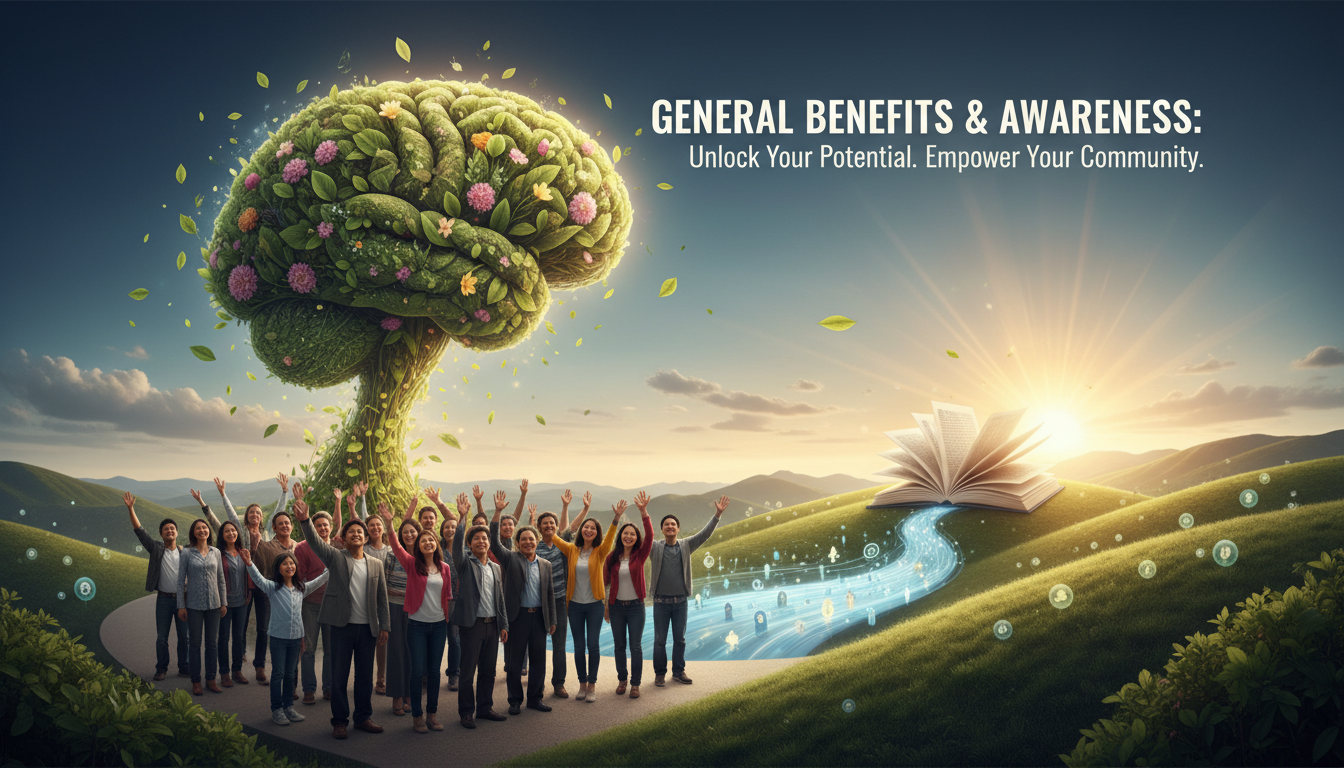
Here’s your comprehensive article on General Benefits & Awareness, ready to be seamlessly integrated into Wellness Newspaper.
The Foundational Pillars of Wellbeing: Benefits and Awareness
We often hear about the latest superfood or cutting-edge exercise routine, but true, lasting wellbeing isn’t built on fleeting trends. It’s rooted in a deeper understanding of our bodies, minds, and how they interact with the world around us. This understanding, coupled with consistent action driven by awareness, forms the bedrock of a healthier, happier life. Think of it as tending to a garden: you need to know what your plants need (awareness) and then consistently provide it (action).
Understanding the Multifaceted Benefits
The benefits of prioritizing wellbeing extend far beyond simply feeling “good.” They impact virtually every aspect of our lives. Let’s delve into some key areas:
Physical Health: More Than Just the Absence of Disease
Improved physical health is often the first thing that comes to mind. This isn’t just about avoiding illness; it’s about optimizing bodily functions. Regular physical activity, for instance, strengthens the cardiovascular system, improving blood flow and reducing the risk of heart disease. American Heart Association Similarly, proper nutrition fuels the body with the necessary nutrients to repair tissues, boost the immune system, and maintain a healthy weight. It’s about resilience – how quickly you recover from stress or injury, how effectively your immune system fights off invaders. This resilience stems from a body operating at its peak.
Mental and Emotional Wellbeing: Cultivating Inner Peace
The benefits to mental and emotional health are equally profound. Stress reduction techniques, such as mindfulness and meditation, can lower cortisol levels, the hormone associated with stress. This, in turn, can improve mood, reduce anxiety, and promote better sleep. Consider the science: chronic stress shrinks the hippocampus, the brain region associated with learning and memory. Conversely, practices that promote relaxation can actually increase hippocampal volume. Furthermore, connecting with others, cultivating gratitude, and pursuing meaningful activities contribute to a sense of purpose and belonging, crucial for overall psychological wellbeing.
Cognitive Function: Sharpening the Mind
A healthy lifestyle isn’t just good for the body and mind; it’s also beneficial for cognitive function. Regular exercise increases blood flow to the brain, delivering vital oxygen and nutrients that support neuronal health. A diet rich in antioxidants, such as fruits and vegetables, protects brain cells from damage caused by free radicals. Moreover, engaging in mentally stimulating activities, such as learning a new skill or solving puzzles, can help maintain cognitive flexibility and prevent age-related cognitive decline. Think of it as exercising your brain muscles just as you would exercise your physical muscles.
Improved Sleep Quality: The Restorative Power of Slumber
Quality sleep is the cornerstone of wellbeing. During sleep, the body repairs tissues, consolidates memories, and clears out toxins from the brain. Poor sleep, on the other hand, can impair cognitive function, weaken the immune system, and increase the risk of chronic diseases. Establishing a consistent sleep schedule, creating a relaxing bedtime routine, and optimizing the sleep environment can significantly improve sleep quality. This is where it gets interesting: sleep isn’t just about feeling rested; it’s a crucial biological process vital for survival and optimal functioning.
The Power of Awareness: Seeing Yourself Clearly
Awareness is the crucial catalyst that transforms knowledge into action. It involves paying attention to your thoughts, feelings, and bodily sensations without judgment. It’s about understanding your patterns, triggers, and tendencies. Without awareness, even the best intentions can fall flat.
Self-Awareness: Knowing Your Inner Landscape
Self-awareness is the ability to recognize your own emotions, thoughts, and values. It’s about understanding what motivates you, what triggers you, and how you react to different situations. Techniques like journaling, mindfulness meditation, and seeking feedback from trusted friends or family members can help cultivate self-awareness. When you understand *why* you react in a certain way, you have the power to change that reaction.
Body Awareness: Listening to Your Body’s Signals
Body awareness, also known as interoception, is the ability to sense and interpret internal bodily signals, such as heart rate, breathing, and hunger cues. It’s about tuning in to your body’s wisdom and responding to its needs. Practices like yoga, Tai Chi, and mindful movement can enhance body awareness. For example, learning to distinguish between true hunger and emotional cravings can be a game-changer for weight management and overall health.
Environmental Awareness: Recognizing External Influences
Our environment plays a significant role in our wellbeing. Environmental awareness involves recognizing how our surroundings, including our physical environment, social environment, and cultural environment, impact our health and happiness. This might involve identifying stressors in your workplace, recognizing the influence of social media on your self-esteem, or becoming aware of the impact of air quality on your respiratory health. Once you’re aware of these influences, you can take steps to mitigate their negative effects and create a more supportive environment.
Mindful Awareness: Paying Attention to the Present Moment
Mindfulness involves paying attention to the present moment without judgment. It’s about observing your thoughts and feelings as they arise and pass away, without getting carried away by them. Mindfulness practices, such as meditation and mindful breathing, can help reduce stress, improve focus, and enhance emotional regulation. This isn’t about emptying your mind; it’s about observing its contents without getting caught up in the story.
Putting It All Together: Actionable Steps for Wellbeing
Awareness without action is like a seed that never sprouts. Here are some practical steps you can take to translate awareness into tangible wellbeing:
- Start Small: Don’t try to overhaul your entire lifestyle overnight. Choose one or two areas to focus on and gradually incorporate new habits.
- Set Realistic Goals: Aim for progress, not perfection. Celebrate small victories and learn from setbacks.
- Be Consistent: Consistency is key to building sustainable habits. Even small daily actions can add up over time.
- Seek Support: Enlist the help of friends, family members, or a healthcare professional. Having a support system can make it easier to stay motivated and on track.
- Practice Self-Compassion: Be kind to yourself, especially when you’re struggling. Remember that everyone makes mistakes and that setbacks are a normal part of the process.
Conclusion
Ultimately, wellbeing is a journey, not a destination. It’s a continuous process of learning, growing, and adapting. By cultivating awareness and taking consistent action, you can unlock your full potential for health, happiness, and fulfillment. It’s not about striving for an unattainable ideal; it’s about embracing the present moment and making choices that support your overall wellbeing, one day at a time.
Frequently Asked Questions (FAQs)
-
Q: What’s the difference between health and wellbeing?
A: While often used interchangeably, they have distinct meanings. Health generally refers to the absence of disease or infirmity and focuses primarily on the physical body. Wellbeing, on the other hand, is a broader concept encompassing physical, mental, emotional, social, and even spiritual aspects. It’s about feeling good and functioning well in all areas of your life. Think of health as a component of overall wellbeing.
-
Q: How can I improve my self-awareness?
A: There are several effective techniques. Journaling is a powerful tool for exploring your thoughts and feelings. Spend 10-15 minutes each day writing about your experiences, emotions, and reactions to different situations. Mindfulness meditation can help you become more aware of your thoughts and feelings as they arise, without judgment. Seeking feedback from trusted friends or family members can also provide valuable insights into your blind spots and areas for growth. Ultimately, it’s about creating space for honest self-reflection.
-
Q: Is it possible to be healthy even if I have a chronic illness?
A: Absolutely! Living with a chronic illness presents unique challenges, but it doesn’t preclude the possibility of achieving wellbeing. Focus on managing your symptoms, optimizing your physical and mental health, and finding ways to live a fulfilling life despite your condition. This might involve working closely with your healthcare team, adopting healthy lifestyle habits, and connecting with support groups. Wellbeing is about thriving within your individual circumstances.
-
Q: How does social connection impact wellbeing?
A: Social connection is vital for wellbeing. Humans are social creatures, and we thrive on meaningful relationships and a sense of belonging. Strong social connections provide emotional support, reduce stress, and enhance overall health. Conversely, social isolation and loneliness can have detrimental effects on both physical and mental health. Make an effort to cultivate meaningful relationships with family, friends, and community members. Even small acts of connection, such as a phone call or a friendly conversation, can make a big difference. National Institute on Aging
-
Q: What are some simple ways to reduce stress in my daily life?
A: There are many effective stress-reduction techniques. Deep breathing exercises can calm the nervous system in minutes. Spend a few minutes each day focusing on your breath, inhaling deeply and exhaling slowly. Regular physical activity, even a short walk, can help release tension and improve mood. Spending time in nature has also been shown to reduce stress levels. Finally, prioritize activities that you enjoy and that bring you joy, such as listening to music, reading, or spending time with loved ones.
-
Q: How can I make healthy eating more sustainable?
A: Focus on making gradual, sustainable changes rather than drastic, short-term diets. Start by incorporating more fruits and vegetables into your meals. Plan your meals in advance to avoid impulsive unhealthy choices. Learn to cook healthy meals at home so you know exactly what ingredients you are using. Be mindful of portion sizes and eat slowly, paying attention to your hunger and fullness cues. And most importantly, allow yourself occasional treats and avoid feeling deprived. Sustainability is about creating habits you can maintain long-term.
-
Q: How important is it to seek professional help for mental health concerns?
A: Seeking professional help for mental health concerns is just as important as seeking medical attention for physical ailments. Mental health professionals, such as therapists and psychiatrists, are trained to diagnose and treat mental health conditions. If you are struggling with symptoms of anxiety, depression, or other mental health concerns, don’t hesitate to reach out for help. Early intervention can make a significant difference in your recovery and overall wellbeing. There’s no shame in seeking support; it’s a sign of strength and self-awareness.