Understanding Your Health: A Journey of Awareness
Taking control of your health is a lifelong endeavor, a path paved with knowledge and proactive choices. It’s more than just visiting the doctor when you’re sick; it’s about cultivating a deep understanding of your body, mind, and the factors that influence your well-being. This journey begins with general health information and awareness – recognizing the fundamental principles that underpin a healthy life and empowering yourself to make informed decisions every day.
The Building Blocks of Well-being
Several key pillars support optimal health. These aren’t just buzzwords; they are interconnected elements that contribute to your overall vitality. Neglecting one can weaken the others, creating a ripple effect throughout your system. Let’s explore these foundational aspects:
-
- Nutrition: Fueling your body with the right nutrients is paramount. This means understanding macronutrients (proteins, carbohydrates, and fats) and micronutrients (vitamins and minerals) and how they contribute to energy production, cellular repair, and overall function. It’s not just about counting calories; it’s about choosing nutrient-dense foods that nourish your body at a cellular level.
-
- Physical Activity: Movement is medicine. Regular physical activity strengthens your cardiovascular system, builds muscle mass, improves bone density, and helps regulate mood. The Centers for Disease Control and Prevention (CDC) recommends at least 150 minutes of moderate-intensity aerobic activity or 75 minutes of vigorous-intensity activity per week. Find activities you enjoy, and make them a sustainable part of your routine.
-
- Sleep: Restorative sleep is crucial for physical and mental recovery. During sleep, your body repairs tissues, consolidates memories, and releases hormones that regulate various bodily functions. Aim for 7-9 hours of quality sleep each night. Establishing a consistent sleep schedule, creating a relaxing bedtime routine, and optimizing your sleep environment can significantly improve sleep quality.
-
- Stress Management: Chronic stress can wreak havoc on your health, increasing your risk of heart disease, weakening your immune system, and contributing to mental health issues. Developing effective stress management techniques, such as mindfulness meditation, yoga, or spending time in nature, is essential for maintaining well-being.
-
- Mental and Emotional Health: Your mental and emotional state profoundly impacts your physical health. Cultivating positive relationships, practicing gratitude, and seeking professional help when needed are vital for maintaining mental and emotional well-being. Ignoring your mental health can lead to physical ailments and a diminished quality of life.
Understanding Your Body: Key Vital Signs and Screenings
Being aware of your body’s vital signs and recommended health screenings allows you to proactively monitor your health and detect potential problems early. Think of it as preventative maintenance for your body.
Vital Signs
-
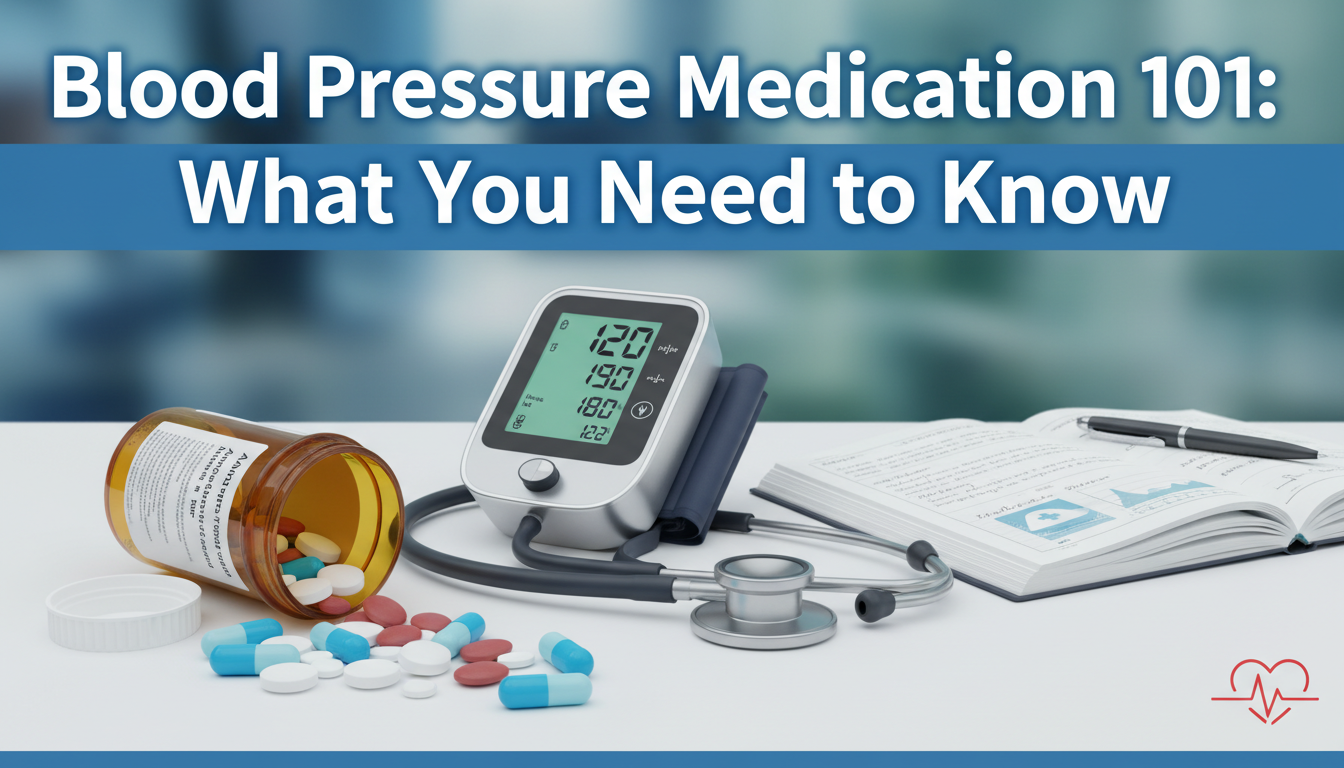
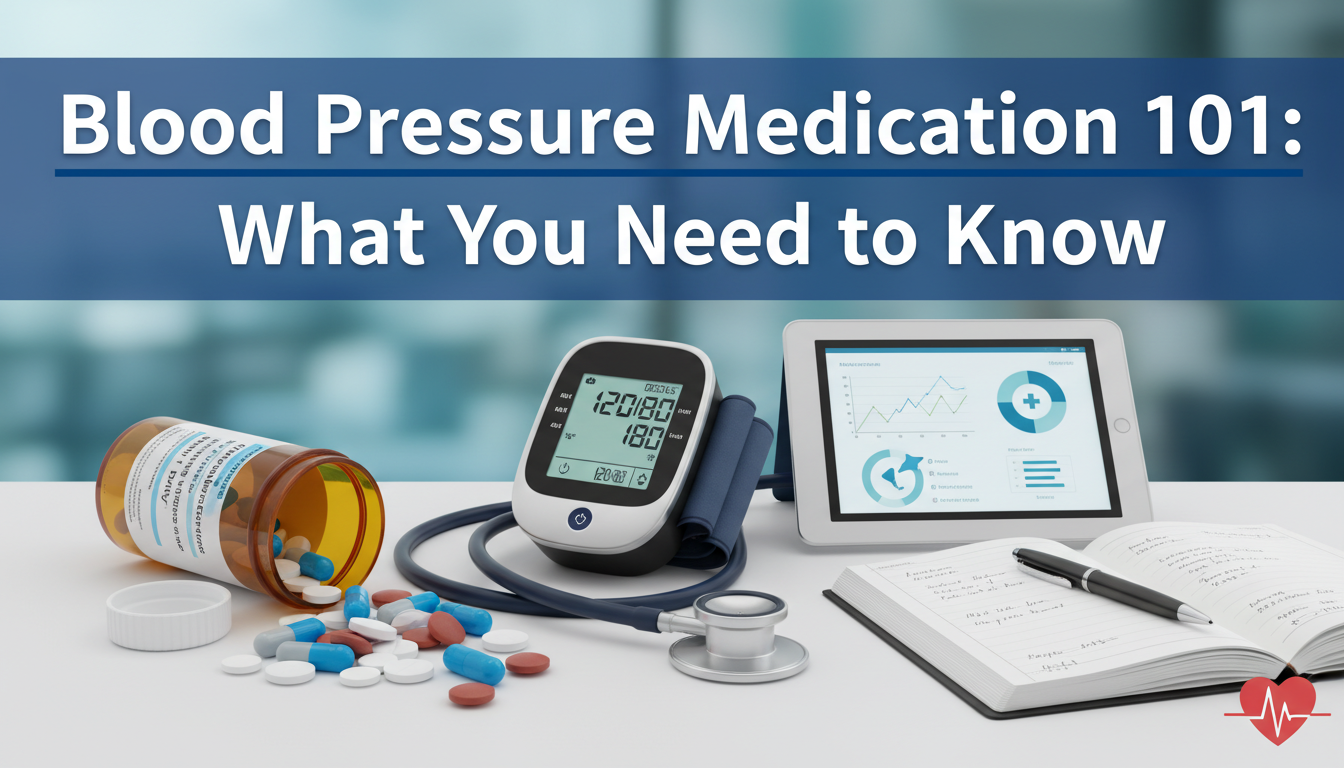
- Blood Pressure: Measures the force of your blood against your artery walls. High blood pressure, or hypertension, is a major risk factor for heart disease and stroke. Regular monitoring can help you identify and manage hypertension. A healthy blood pressure reading is typically below 120/80 mmHg.
-
- Heart Rate: Measures the number of times your heart beats per minute. A normal resting heart rate typically ranges from 60 to 100 beats per minute. Factors like fitness level, stress, and medication can affect heart rate.
-
- Body Temperature: Measures the body’s internal heat level. A normal body temperature is typically around 98.6°F (37°C). Elevated body temperature can indicate infection or illness.
-
- Respiratory Rate: Measures the number of breaths you take per minute. A normal respiratory rate is typically between 12 and 20 breaths per minute. Changes in respiratory rate can indicate respiratory problems.
Recommended Health Screenings
The specific screenings you need will depend on your age, sex, family history, and other risk factors. However, some common screenings include:
-
- Cholesterol Screening: Measures the levels of cholesterol and triglycerides in your blood. High cholesterol can increase your risk of heart disease.
-
- Blood Glucose Screening: Measures the level of glucose (sugar) in your blood. High blood glucose can indicate diabetes or prediabetes.
-
- Cancer Screenings: Include screenings for breast cancer (mammograms), cervical cancer (Pap smears), colon cancer (colonoscopies), and prostate cancer (PSA tests), depending on your age and risk factors.
-
- Bone Density Screening: Measures the density of your bones. Low bone density can indicate osteoporosis, increasing your risk of fractures.
It’s crucial to discuss your individual screening needs with your healthcare provider. They can assess your risk factors and recommend the appropriate screenings for you. Mayo Clinic offers a comprehensive guide to health screenings for adults.
Navigating the Healthcare System: Empowerment Through Knowledge
Understanding how to navigate the healthcare system can empower you to make informed decisions about your care. This involves understanding your health insurance coverage, knowing how to find a qualified healthcare provider, and being an active participant in your treatment.
Understanding Your Health Insurance
Health insurance can be complex, but understanding the basics is essential. Familiarize yourself with your plan’s coverage, including deductibles, co-pays, and co-insurance. Know what services are covered and what your out-of-pocket costs will be. Don’t hesitate to contact your insurance provider with any questions.
Finding a Qualified Healthcare Provider
Choosing the right healthcare provider is crucial for receiving quality care. Consider factors like their qualifications, experience, location, and communication style. Ask for recommendations from friends, family, or other healthcare professionals. Read online reviews and check their credentials with your state’s medical board.
Being an Active Participant in Your Care
You are the most important member of your healthcare team. Be prepared to discuss your symptoms, medical history, and concerns with your healthcare provider. Ask questions to clarify any information you don’t understand. Don’t be afraid to seek a second opinion if you have doubts about your diagnosis or treatment plan.
Putting It All Together: Your Personalized Wellness Plan
General health information and awareness provide the foundation for building a personalized wellness plan. This plan should be tailored to your individual needs, goals, and lifestyle. It’s not a one-size-fits-all approach; it’s about creating a sustainable strategy that supports your long-term health and well-being.
Start by assessing your current health status and identifying areas where you can make improvements. Set realistic goals and break them down into smaller, manageable steps. Track your progress and celebrate your successes. Remember that setbacks are a normal part of the process. Don’t get discouraged; simply adjust your plan and keep moving forward.
This journey of health awareness is continuous. Stay informed, stay proactive, and prioritize your well-being. Your health is your most valuable asset, and investing in it will yield lifelong dividends.
Frequently Asked Questions
- Q: How much exercise do I really need to see health benefits?
- While the CDC recommends at least 150 minutes of moderate-intensity or 75 minutes of vigorous-intensity aerobic activity per week, even small amounts of physical activity can have significant health benefits. Aim to incorporate movement into your daily routine whenever possible, such as taking the stairs instead of the elevator, walking during your lunch break, or doing some light stretching while watching TV. The key is consistency – finding activities you enjoy and making them a regular part of your life.
- Q: What’s the difference between “good” and “bad” cholesterol?
- Cholesterol is a waxy substance found in your blood that is essential for building healthy cells. However, high levels of certain types of cholesterol can increase your risk of heart disease. LDL cholesterol (low-density lipoprotein) is often referred to as “bad” cholesterol because it can build up in the walls of your arteries, forming plaque. HDL cholesterol (high-density lipoprotein) is often referred to as “good” cholesterol because it helps remove LDL cholesterol from your arteries. Aim to keep your LDL cholesterol levels low and your HDL cholesterol levels high.
- Q: How can I improve my sleep quality?
- Improving sleep quality often involves making changes to your sleep environment and bedtime routine. Establish a consistent sleep schedule by going to bed and waking up at the same time each day, even on weekends. Create a relaxing bedtime routine, such as taking a warm bath, reading a book, or listening to calming music. Make sure your bedroom is dark, quiet, and cool. Avoid caffeine and alcohol before bed. Consider using a white noise machine or earplugs to block out distractions.
- Q: What are some effective ways to manage stress?
- Stress management techniques vary from person to person. Experiment with different approaches to find what works best for you. Some effective techniques include mindfulness meditation, yoga, deep breathing exercises, spending time in nature, engaging in hobbies, and connecting with loved ones. Identifying and addressing the root causes of your stress is also crucial. If you’re struggling to manage stress on your own, consider seeking professional help from a therapist or counselor.
- Q: How often should I see my doctor for a checkup?
- The frequency of checkups depends on your age, health status, and risk factors. In general, healthy adults should see their doctor for a checkup at least once a year. Individuals with chronic conditions or risk factors for certain diseases may need to see their doctor more frequently. Discuss your individual needs with your healthcare provider to determine the appropriate schedule for you.
- Q: What role does genetics play in my overall health?
- Genetics can significantly influence your predisposition to certain diseases and health conditions. While you can’t change your genes, understanding your family history can help you identify potential risks and take proactive steps to mitigate them. For example, if you have a family history of heart disease, you may need to pay closer attention to your diet, exercise habits, and cholesterol levels. Genetic testing can also provide valuable insights into your individual risk profile.
- Q: Is it ever too late to start taking care of my health?
- Absolutely not! It’s never too late to start making positive changes to improve your health. Even small changes can have a significant impact, regardless of your age or current health status. Adopting healthier habits can improve your energy levels, reduce your risk of chronic diseases, and enhance your overall quality of life. Don’t let age be a barrier; embrace the opportunity to prioritize your well-being and live a healthier, happier life.