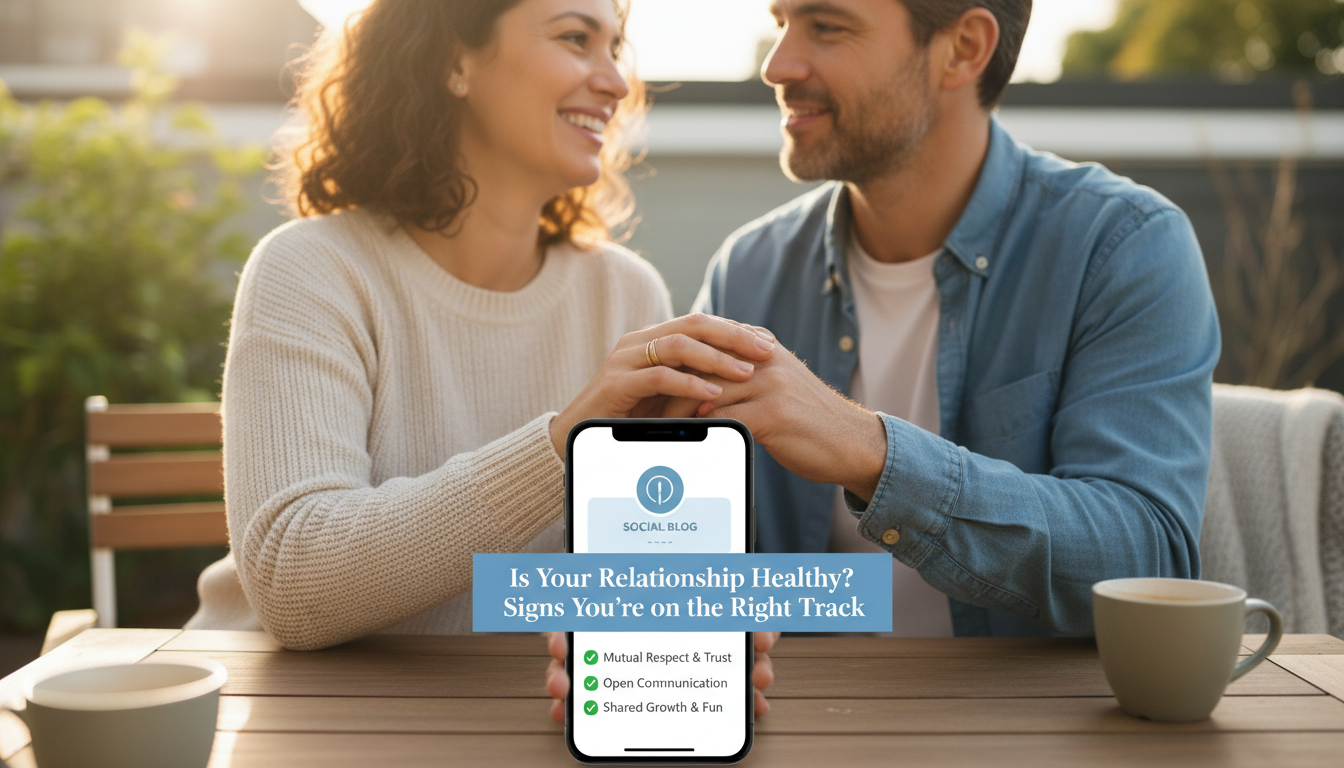
What Does a Truly Healthy Relationship Look Like?
We often hear about “relationship goals” – the picture-perfect couples on social media, the grand gestures of love portrayed in movies. But a truly healthy relationship goes far beyond these superficial ideals. It’s built on a foundation of mutual respect, trust, open communication, and a shared commitment to growth, both individually and as a couple. It’s not about the absence of conflict; rather, it’s about how you navigate those inevitable challenges together.
The Cornerstone: Mutual Respect
Respect is the bedrock of any healthy relationship. It means valuing your partner’s opinions, feelings, and boundaries, even when you disagree. It’s about acknowledging their inherent worth as an individual and treating them with kindness and consideration. Disrespect, on the other hand, manifests as belittling remarks, dismissive behavior, or a general disregard for their feelings. Think about how you communicate – are you truly listening to understand, or are you just waiting for your turn to speak?
Psychologically, respect taps into our fundamental need for validation and acceptance. When we feel respected, we feel secure and valued, which allows us to be more vulnerable and open in the relationship. Without it, resentment can fester, leading to a breakdown in communication and intimacy.
Trust: The Adhesive That Binds
Trust is the unwavering belief in your partner’s honesty, integrity, and reliability. It’s the confidence that they have your best interests at heart and that they will act in ways that support and protect your relationship. Betrayals of trust, whether through infidelity, dishonesty, or broken promises, can inflict deep wounds that are difficult to heal. Rebuilding trust takes time, effort, and a genuine commitment to repair the damage.
From a neurobiological perspective, trust releases oxytocin, often called the “love hormone,” which promotes bonding and connection. When trust is broken, the stress hormone cortisol floods the system, creating feelings of anxiety and insecurity. Mayo Clinic details the multifaceted role of oxytocin in human bonding and social behavior.
Open and Honest Communication: The Lifeblood of Connection
Communication is more than just talking; it’s about actively listening, expressing your needs and feelings clearly, and creating a safe space for your partner to do the same. It involves being vulnerable, sharing your thoughts and emotions without fear of judgment, and being willing to compromise. Poor communication, on the other hand, can lead to misunderstandings, resentment, and a growing distance between partners.
Think about conflict resolution. Do you approach disagreements with a desire to understand your partner’s perspective and find a mutually acceptable solution, or do you resort to blame, defensiveness, or stonewalling? The way you handle conflict is a significant indicator of the health of your relationship. Learning effective communication skills, such as active listening and “I” statements, can be incredibly beneficial.
Shared Values and Goals: Navigating the Future Together
While you don’t need to agree on everything, having shared values and goals provides a sense of direction and purpose in the relationship. These values could include things like family, career, personal growth, spirituality, or social responsibility. Shared goals might involve things like buying a house, raising children, or traveling the world. When you’re aligned on these fundamental aspects of life, it’s easier to navigate challenges and build a future together.
Individual Growth: Thriving Together, Not Just Existing
A healthy relationship supports individual growth and development. It allows each partner to pursue their passions, maintain their own identity, and evolve as individuals. A common mistake is to become overly reliant on the relationship for fulfillment, neglecting personal interests and friendships. This can lead to codependency and a feeling of being trapped. A healthy partnership encourages independence and celebrates each other’s achievements.
Emotional Intimacy: Feeling Seen, Heard, and Understood
Emotional intimacy is the ability to connect with your partner on a deep emotional level, sharing your vulnerabilities, fears, and dreams. It’s about feeling seen, heard, and understood by your partner, and knowing that they are there for you, even when things get tough. Emotional intimacy is built through open communication, empathy, and a willingness to be vulnerable. It’s the feeling of being truly known and accepted for who you are.
This also requires actively fostering a safe space. Judgment, criticism, or a lack of empathy can quickly shut down emotional vulnerability. Instead, cultivate a habit of offering support, understanding, and non-judgmental listening.
Healthy Boundaries: Defining Your Limits
Boundaries are essential for maintaining a healthy sense of self and preventing resentment and burnout. They define what you are comfortable with in the relationship, both physically and emotionally. This could include setting limits on how much time you spend together, what topics you are willing to discuss, or what behaviors you will and will not tolerate. Respecting each other’s boundaries is crucial for maintaining a healthy dynamic. Boundaries are not about controlling your partner; they are about protecting your own well-being.
Regular Check-Ins: Nurturing the Relationship
Just like a garden needs regular tending, a relationship needs ongoing nurturing. This involves making time for each other, expressing appreciation, and actively working to maintain the connection. Regular check-ins, whether they’re formal date nights or simple conversations about how you’re both feeling, can help you stay connected and address any issues before they escalate. Harvard Health publishes extensively on relationship dynamics and communication techniques. Prioritizing quality time and showing affection are also essential for keeping the spark alive.
Recognizing the Red Flags: When to Seek Help
While conflict is a normal part of any relationship, certain behaviors are warning signs of a deeper problem. These red flags include:
- Abuse (physical, emotional, or verbal): Any form of abuse is unacceptable and requires immediate intervention.
- Control and manipulation: Trying to control your partner’s behavior or manipulate them into doing what you want is a sign of an unhealthy power dynamic.
- Constant criticism and belittling: A constant barrage of negativity can erode self-esteem and create a toxic environment.
- Jealousy and possessiveness: Excessive jealousy and possessiveness can stifle individual growth and lead to controlling behavior.
- Lack of trust: A persistent lack of trust can create anxiety and insecurity in the relationship.
- Poor communication: An inability to communicate effectively can lead to misunderstandings and resentment.
- Addiction: Substance abuse or other addictions can have a devastating impact on a relationship.
If you are experiencing any of these red flags, it’s important to seek professional help. A therapist or counselor can provide guidance and support in navigating these challenges and improving the health of your relationship.
The Art of Cultivating a Thriving Partnership
Building a healthy relationship isn’t a destination; it’s a journey. It requires ongoing effort, commitment, and a willingness to grow, both individually and as a couple. There will be ups and downs, challenges and triumphs. The key is to approach these challenges with empathy, understanding, and a shared commitment to building a stronger and more fulfilling partnership. Remember, a healthy relationship is one that supports your well-being, fosters your growth, and brings joy and meaning to your life.
Frequently Asked Questions
1. How can I improve communication in my relationship?
Improving communication requires conscious effort and practice. Start by actively listening to your partner without interrupting or judging. Try to understand their perspective, even if you don’t agree with it. Use “I” statements to express your feelings and needs without blaming or accusing your partner. For example, instead of saying “You always make me feel like I’m not being heard,” try saying “I feel unheard when I’m interrupted during our conversations.” Practice empathy by trying to see things from your partner’s point of view. Consider attending a communication workshop or seeking guidance from a therapist or counselor to learn specific communication skills and techniques.
2. What are some signs that my partner doesn’t respect my boundaries?
Signs that your partner doesn’t respect your boundaries include repeatedly ignoring your requests, pressuring you to do things you’re not comfortable with, invading your personal space or privacy, making decisions without consulting you, or dismissing your feelings and opinions. It’s essential to clearly communicate your boundaries and assertively enforce them. If your partner consistently disregards your boundaries, it’s a sign of a deeper issue that needs to be addressed.
3. How can I rebuild trust after it’s been broken?
Rebuilding trust is a long and challenging process that requires commitment, honesty, and patience from both partners. The first step is for the person who broke the trust to take full responsibility for their actions and express genuine remorse. They must also be willing to be completely transparent and honest in their communication moving forward. The injured partner needs to feel safe expressing their feelings and needs, and the other partner needs to be patient and understanding as they work through their emotions. It may be helpful to seek guidance from a therapist or counselor who can provide support and facilitate communication.
4. What if my partner is unwilling to work on the relationship?
If your partner is unwilling to work on the relationship, it can be a difficult situation. It’s important to honestly assess whether the relationship is truly sustainable without their active participation. You can try expressing your concerns and needs clearly and assertively, but ultimately, you can’t force someone to change. If your partner remains unwilling to address the issues in the relationship, you may need to consider whether it’s the right relationship for you.
5. How important is physical intimacy in a healthy relationship?
Physical intimacy is an important component of a healthy relationship for many couples, but its importance can vary depending on individual preferences and needs. Physical intimacy encompasses a range of behaviors, including hugging, kissing, cuddling, and sexual activity. It can promote bonding, reduce stress, and enhance feelings of connection. However, it’s important to communicate openly about your needs and preferences regarding physical intimacy and to respect each other’s boundaries. A lack of physical intimacy can be a sign of underlying issues in the relationship, but it’s not always a cause for concern if both partners are satisfied with the level of physical intimacy they share.
6. Can couples counseling really help?
Couples counseling can be incredibly beneficial for couples facing challenges in their relationship. A skilled therapist can provide a safe and neutral space for couples to communicate, explore their issues, and develop strategies for resolving conflict and improving their relationship. Couples counseling can help partners gain a better understanding of each other’s perspectives, learn effective communication skills, and address underlying issues that may be contributing to their problems. The success of couples counseling depends on the willingness of both partners to participate actively and honestly in the process. However, it’s important to remember that couples counseling is not a magic bullet, and it requires effort and commitment from both partners to achieve lasting change.
7. Is it normal to have disagreements in a healthy relationship?
Yes, it is absolutely normal to have disagreements in a healthy relationship. In fact, disagreements can be an opportunity for growth and deeper understanding. What matters is how you handle those disagreements. Healthy couples approach conflict with respect, empathy, and a willingness to compromise. They focus on finding solutions rather than assigning blame. They also recognize that disagreements are a normal part of any relationship and don’t necessarily mean that the relationship is in trouble. Learning healthy conflict resolution skills is essential for navigating disagreements constructively and maintaining a strong and healthy relationship.