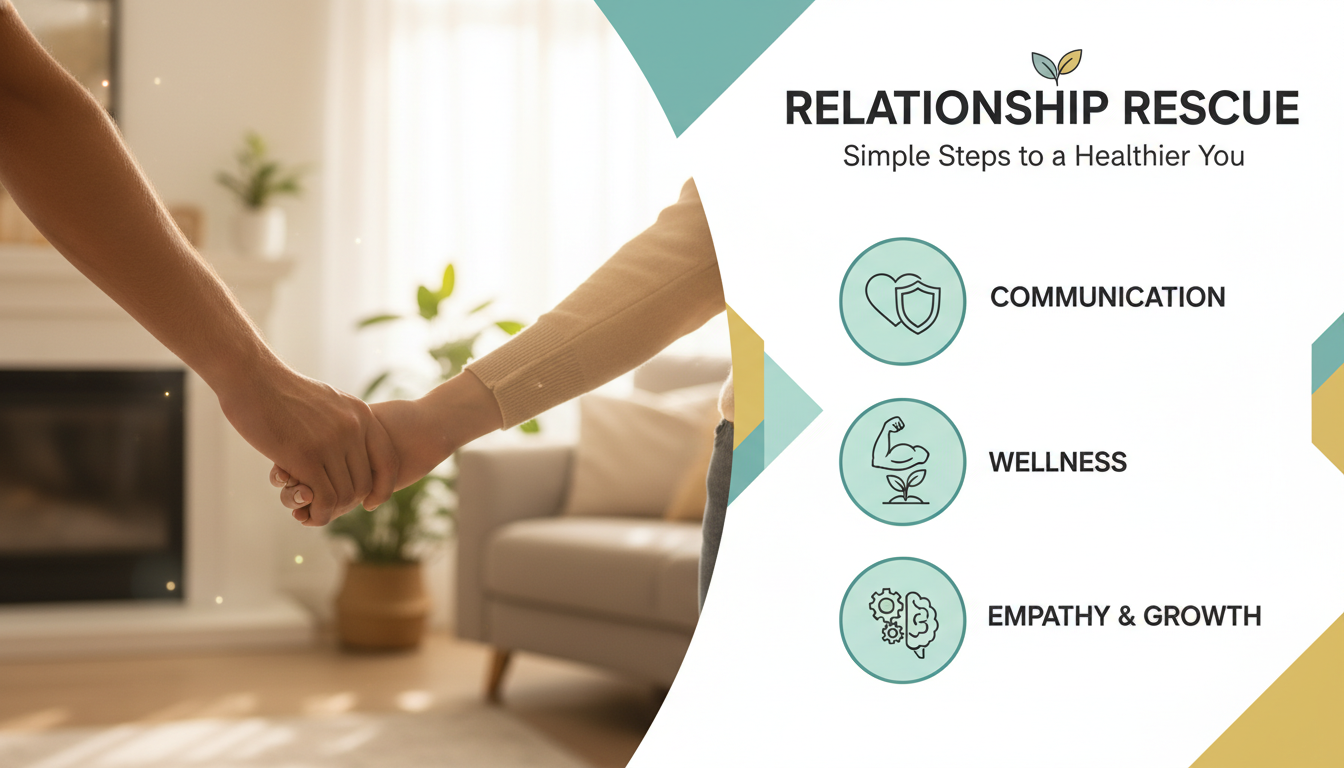
The Foundation: Understanding Relationship Health
Our relationships are the cornerstones of our well-being. They provide support, connection, and a sense of belonging. But like any living thing, relationships require nurturing, attention, and sometimes, a little bit of rescue. When communication falters, trust erodes, or resentment builds, our mental and physical health can suffer significantly. This isn’t just about romantic partnerships; it extends to family bonds, friendships, and even professional relationships. Recognizing the signs of a struggling relationship and actively taking steps to improve it is an investment in your overall health and happiness.
The Ripple Effect: How Unhealthy Relationships Impact You
Think of your relationships as intricate ecosystems. When one part is damaged, it sends ripples throughout the entire system. Chronic conflict, emotional neglect, or a lack of support can trigger a cascade of negative effects. Psychologically, this can manifest as increased stress, anxiety, depression, and even feelings of isolation and loneliness. Mayo Clinic highlights the detrimental impact of isolation on mental and physical health.
But the effects don’t stop there. Stress hormones like cortisol flood your system, impacting sleep, digestion, and immune function. Over time, chronic stress associated with unhealthy relationships can increase your risk of cardiovascular disease, weaken your immune system, and contribute to a host of other health problems. This is where it gets interesting: The body doesn’t distinguish between physical and emotional threats. It reacts to the perceived danger with the same “fight or flight” response, regardless of the source.
Identifying the Trouble Spots: Recognizing the Signs
Before you can start rescuing a relationship, you need to accurately assess the situation. What are the specific issues? Are they chronic problems or recent developments? Here are some common warning signs that indicate a relationship may be in distress:
- Communication Breakdown: Frequent arguments, stonewalling (refusing to communicate), passive-aggression, or a general feeling of not being heard.
- Decreased Intimacy: This can be physical, emotional, or both. A lack of affection, shared experiences, and vulnerability.
- Resentment and Bitterness: Holding onto past hurts, feeling unappreciated, or constantly criticizing your partner.
- Lack of Trust: Infidelity (emotional or physical), dishonesty, or a feeling of insecurity in the relationship.
- Constant Conflict: Frequent disagreements, power struggles, and an inability to resolve issues constructively.
- Emotional Neglect: Feeling ignored, unloved, or unsupported by your partner.
- Spending Less Time Together: A gradual drift apart, with less shared activities and connection.
Simple Steps to a Healthier You (and Your Relationships)
Rescuing a relationship isn’t a quick fix. It requires commitment, effort, and a willingness to change. These steps can serve as a roadmap to navigate towards healthier, more fulfilling connections.
1. Prioritize Open and Honest Communication
This is the cornerstone of any healthy relationship. But communication isn’t just about talking; it’s about truly listening and understanding your partner’s perspective. Practice active listening: paying attention, asking clarifying questions, and reflecting back what you hear to ensure you understand. Avoid interrupting, judging, or formulating your response while the other person is speaking. Be honest about your feelings and needs, even if it’s difficult. Use “I” statements to express your emotions without blaming the other person. For example, instead of saying “You always make me feel…”, try “I feel… when…”.
2. Practice Empathy and Compassion
Empathy is the ability to understand and share the feelings of another person. It’s about putting yourself in their shoes and seeing the world from their perspective. Compassion is the desire to alleviate their suffering. Cultivating empathy and compassion can help you respond to your partner with kindness and understanding, even when you disagree. To understand this better, consider: are you truly trying to understand their perspective, or are you just waiting for your turn to speak?
3. Rebuild Trust Through Consistency and Transparency
Trust is the foundation upon which strong relationships are built. If trust has been broken, it can be difficult to rebuild, but it’s not impossible. Start by being consistently honest and transparent in your actions and words. Keep your promises, be reliable, and avoid any behavior that could erode trust further. Acknowledge your mistakes and take responsibility for your actions. Be patient; rebuilding trust takes time and consistent effort.
4. Forgive and Let Go of Resentment
Holding onto resentment is like drinking poison and expecting the other person to die. It only hurts you in the long run. Forgiveness doesn’t mean condoning the other person’s behavior; it means letting go of the anger, bitterness, and resentment that you’re carrying. It’s a process that can take time, but it’s essential for healing and moving forward. Consider seeking professional help if you’re struggling to forgive.
5. Spend Quality Time Together
In today’s busy world, it’s easy to let relationships take a backseat. Make a conscious effort to spend quality time together, free from distractions. This doesn’t have to be elaborate or expensive; it could be as simple as going for a walk, having a meaningful conversation, or cooking a meal together. The key is to be present and engaged with each other.
6. Seek Professional Help When Needed
Sometimes, despite your best efforts, you may need professional help to rescue a relationship. A therapist or counselor can provide a safe and neutral space to explore your issues, develop communication skills, and work towards resolution. Don’t be afraid to seek help; it’s a sign of strength, not weakness. Harvard Health emphasizes the value of professional guidance in navigating complex relationship dynamics.
7. Prioritize Self-Care: You Can’t Pour from an Empty Cup
This might seem counterintuitive when focusing on relationship rescue, but it’s crucial. You can’t effectively nurture a relationship if you’re feeling depleted and stressed. Prioritize self-care activities that replenish your energy and improve your well-being. This could include exercise, meditation, spending time in nature, pursuing hobbies, or simply getting enough sleep. Taking care of yourself allows you to approach your relationships with more patience, empathy, and resilience.
The Path Ahead
Rescuing a relationship is a journey, not a destination. There will be ups and downs, moments of progress and setbacks. The key is to stay committed to the process, communicate openly, and prioritize your own well-being. Remember that relationships are constantly evolving, and they require ongoing effort and attention. By taking these simple steps, you can cultivate healthier, more fulfilling connections that enhance your overall quality of life. Sometimes, despite everyone’s best efforts, relationships reach a natural end. Even in these situations, practicing kindness, empathy, and prioritizing your mental and emotional health are essential for moving forward in a healthy way.
Frequently Asked Questions
Here are some common questions people have about relationship health and rescue:
1. My partner refuses to communicate. What can I do?
This is a challenging situation, but it’s not hopeless. Start by expressing your concerns in a calm and non-confrontational way. Let your partner know that you value their input and want to work together to improve the relationship. Suggest specific times and places where you can talk without distractions. If your partner continues to refuse to communicate, consider seeking individual therapy to develop coping strategies and explore your options. You can also suggest couples therapy, emphasizing that it’s a neutral space to improve communication skills, not a blame game.
2. How do I rebuild trust after infidelity?
Rebuilding trust after infidelity is a long and arduous process that requires commitment from both partners. The partner who committed the infidelity needs to take full responsibility for their actions and demonstrate genuine remorse. They must be willing to be completely transparent and honest in all their interactions. The injured partner needs time to process their emotions and heal. Open communication, empathy, and forgiveness are essential. Consider seeking couples therapy to navigate this difficult terrain.
3. What if my partner isn’t willing to change?
This is a difficult realization, but it’s important to acknowledge. You can’t force someone to change if they’re not willing to do so. If you’ve tried communicating your needs, setting boundaries, and seeking professional help, and your partner still refuses to change, you may need to consider whether the relationship is sustainable. Prioritize your own well-being and consider whether staying in the relationship is causing you more harm than good. Sometimes, the healthiest option is to end the relationship and move on.
4. How much effort should I put into rescuing a relationship?
The amount of effort you put into rescuing a relationship depends on a variety of factors, including the severity of the issues, your commitment to the relationship, and your partner’s willingness to work together. It’s important to be realistic about your expectations and to recognize that some relationships are simply not salvageable. If you’re putting in significantly more effort than your partner, and you’re consistently feeling drained and unhappy, it may be time to reassess the situation. Remember that your own well-being is paramount.
5. How do I forgive my partner for past hurts?
Forgiveness is a process, not an event. It starts with acknowledging the pain that you’ve experienced and allowing yourself to feel those emotions. It’s important to understand that forgiveness doesn’t mean condoning the other person’s behavior; it means letting go of the anger, bitterness, and resentment that you’re carrying. Try to see the situation from your partner’s perspective and understand their motivations. Focus on the positive aspects of the relationship and the reasons why you value your partner. If you’re struggling to forgive, consider seeking professional help.
6. What are some signs that a relationship is beyond repair?
While every relationship is unique, there are some common signs that indicate a relationship may be beyond repair. These include chronic infidelity, ongoing abuse (physical, emotional, or verbal), a complete lack of communication or empathy, and a consistent pattern of disrespect and disregard for each other’s needs. If you’ve tried everything you can to salvage the relationship, and you’re still feeling unhappy, unsafe, or unfulfilled, it may be time to accept that the relationship is no longer serving you.
7. How can I maintain a healthy relationship in the long term?
Maintaining a healthy relationship requires ongoing effort and attention. Prioritize open and honest communication, practice empathy and compassion, and spend quality time together. Regularly express your appreciation for your partner and show them affection. Be willing to compromise and resolve conflicts constructively. Continue to grow and evolve as individuals, while also supporting each other’s growth. Remember that relationships are constantly changing, and they require ongoing nurturing and adaptation.