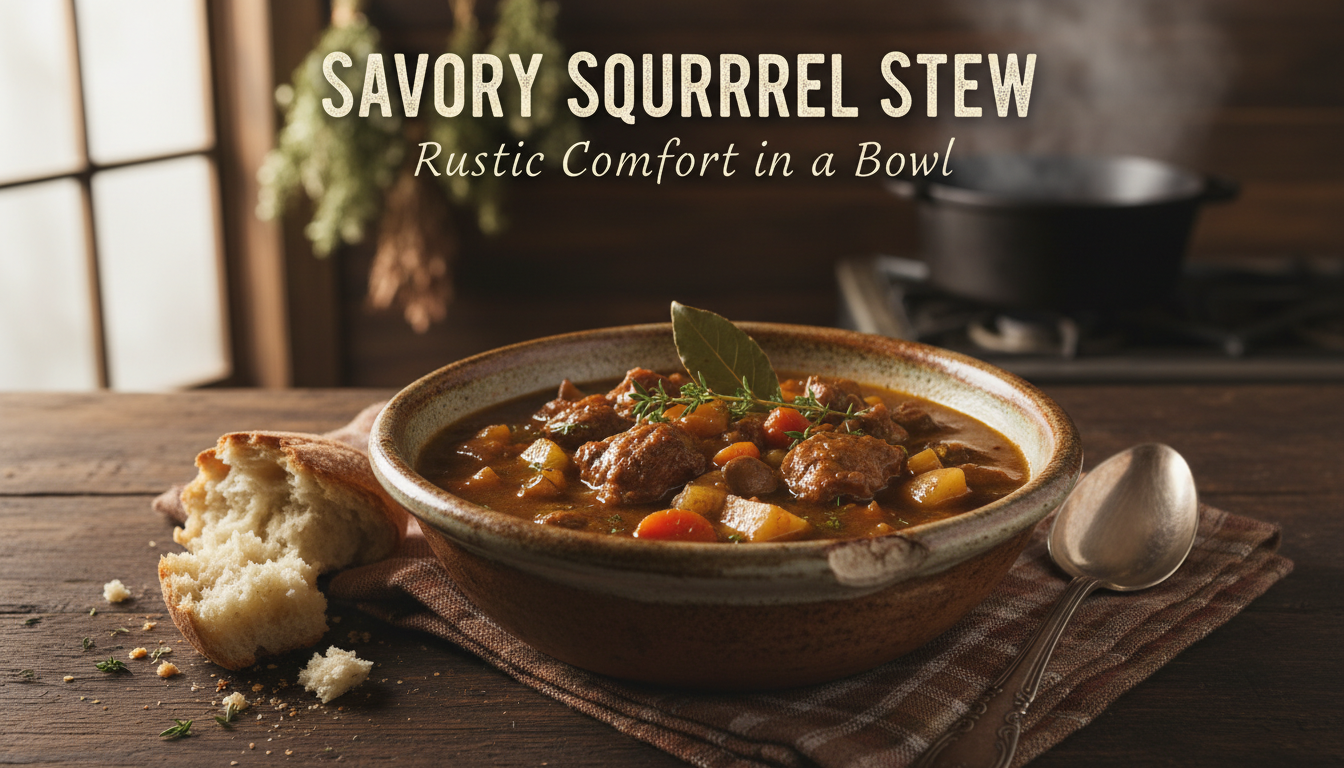
Savory Squirrel Stew: Rustic Comfort in a Bowl
There’s something primal about the hunt, isn’t there? You’re deep in the woods, the sun glimmers through the canopy, and each rustle in the underbrush has your heart racing. When the moment finally comes—the shot’s taken, and there’s a squirrel ready for field dressing—the symphony of nature seems to fade, leaving only the raw excitement of what’s to come: a hearty, rustic stew that warms the soul. The flavor of wild game has a distinct robustness, a depth that transports you straight from the forest floor to the dinner table. With its rich, gamey essence complemented by earthy herbs and fresh veggies, savoring a bowl of squirrel stew is not just a meal; it’s a taste of adventure.
Pre-Cook Prep
The key to a stellar stew starts long before the pot hits the fire. Handling your game with care is essential. After making the shot, field dress your squirrel immediately, removing the guts and ensuring cleanliness. Keep the meat free of hair and dirt, rinsing it if necessary. Always practice food safety—your internal temperature should reach a minimum of 165°F when cooking.
Store the meat in a cooler with ice until you’re ready to work with it, ideally within two hours of field dressing. And remember, a clean kitchen and rigorous sanitation will go a long way in ensuring a delicious and safe meal.
The Quick-Look Stats
- Prep Time: 20 mins
- Cook Time: 2 hrs
- Total Time: 2 hrs 20 mins
- Standout Nutritional Benefit: High in Protein
Savory Squirrel Stew: Rustic Comfort in a Bowl
Ingredients
- 2 lbs squirrel meat, cleaned and cut into chunks
- 2 tablespoons olive oil
- 1 large onion, diced
- 3 cloves garlic, minced
- 4 cups chicken stock
- 2 medium carrots, sliced
- 2 stalks celery, diced
- 2 medium potatoes, cubed
- 1 cup mushrooms, sliced
- 1 teaspoon dried thyme
- 1 teaspoon dried rosemary
- Salt and pepper to taste
- Fresh parsley, for garnish
Instructions
First off, get that pot nice and hot. Drizzle in the olive oil and let it shimmer. You’re looking for a good, hard sear on the squirrel chunks—this is where you lock in flavor. Toss those pieces in the pot and let them brown for about 5-7 minutes. You want a nice caramelization, so don’t crowd the pan; work in batches if needed.
Once you’ve achieved that glorious crust, pull the meat out and set it aside. In the same pot, toss in the diced onion, let it sweat for about 3 minutes, then throw in the garlic. You want that sweet smell wafting through your kitchen—just don’t let it burn.
Now, add back the squirrel, breaking open the flavor lock. Pour in the chicken stock, letting it deglaze the bottom of the pot and bring all those tasty bits back into the mix. Then, toss in the carrots, celery, potatoes, mushrooms, thyme, and rosemary. Season liberally with salt and pepper. Stir it well like you’re stirring up good fortune.
Cover the pot, reduce the heat to low, and let it simmer gently for about 1 hour and 30 minutes. You want those flavors to meld and deepen. The meat will become tender, almost falling off the bone. Check occasionally and give it a stir, letting your senses guide you. If it’s too thick for your liking, add a little more stock or water; if too thin, leave the lid off for a while.
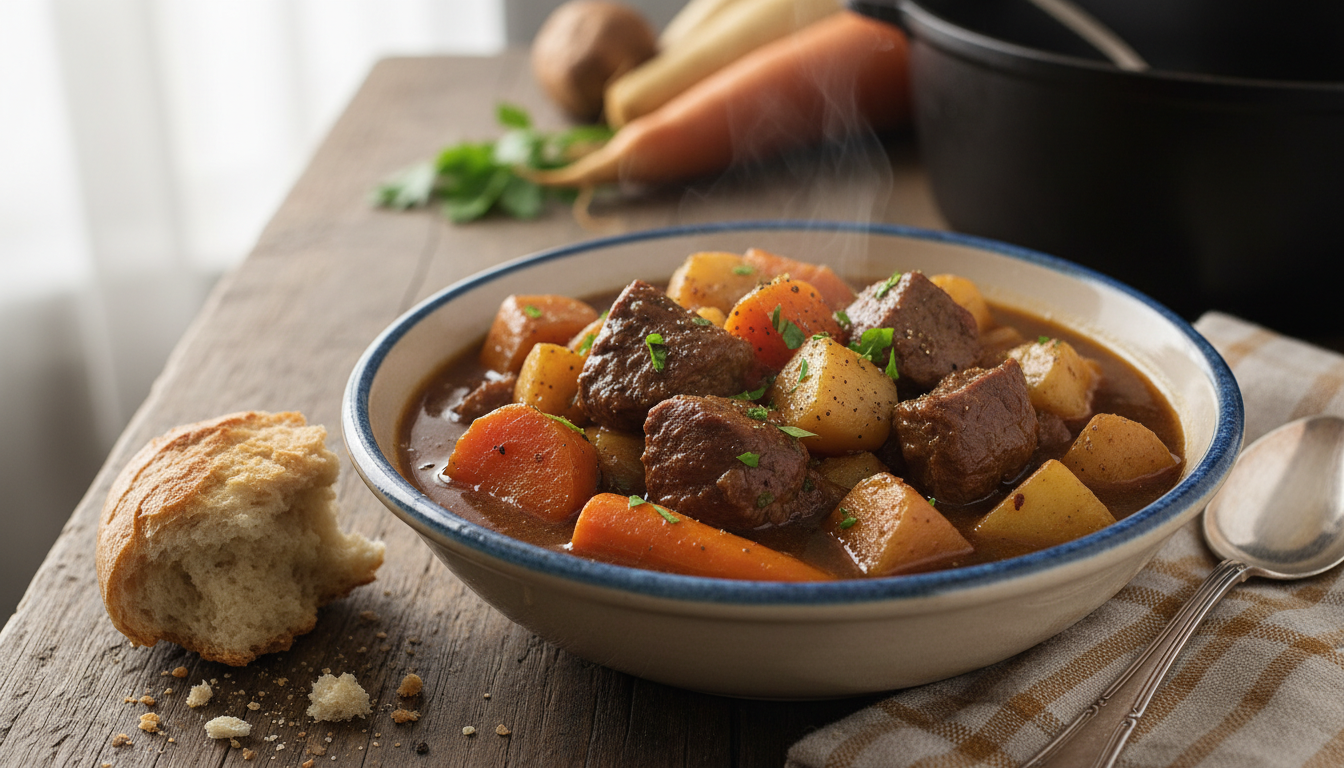
When it’s ready, serve with a sprinkle of fresh parsley on top. Grab a sturdy bowl and savor the rustic comfort of your hard-earned feast.
Nutritional Facts
| Calories | Protein | Fats | Iron | Vitamin B12 |
|---|---|---|---|---|
| 380 | 30g | 15g | 2.5mg | 2.0µg |
Tools for the Job
- Heavy-bottomed pot or Dutch oven
- Sharp knife for butchering
- Cutting board
- Wooden spoon for stirring
- Measuring cups and spoons
- Stock pot or large bowl for storing
The Woodsman’s Edge
Here’s a little nugget of wisdom: after you’ve seared your squirrel and deglazed the pot with stock, let the stew simmer for a while longer than you think. The magic happens when the flavors really have a chance to meld. If time allows, let it sit off heat for an hour before serving. Flavors continue to deepen, plus it gives you a chance to savor a drink while you wait.
Bringing it All Together
There’s no rush in the wild, and that goes for enjoying your meal too. As the sun sets and the sky turns a deep blue, sit back with a bowl of your savory squirrel stew. It’s more than just a meal; it’s a celebration—a tribute to the hunt, the woods, and the flavors that nature offers. The cold of the night fades away, and you savor each spoonful like it’s the last piece of adventure on your plate.
Common Questions
How do I know when squirrel meat is fully cooked?
The meat should reach an internal temperature of 165°F, ensuring it’s safe while maintaining tenderness. Always use a meat thermometer for the best results.
Can I use frozen squirrel for stew?
Absolutely! Just make sure to thaw it completely before cooking. Marinate it an extra hour for better tenderness if you can.
What should I serve with squirrel stew?
It’s delicious enough on its own, but crusty bread or a side salad really rounds out the meal nicely.
Can I substitute other meats if I can’t find squirrel?
You can substitute with other game meats or even chicken, but the rustic flavors will be different. Try to keep the cooking times consistent.
How long can leftovers last?
If stored properly in an airtight container in the fridge, your savory squirrel stew can last up to 3-4 days.
This will give you a well-structured, engaging blog post with all the necessary elements while maintaining a rustic and authoritative tone.