Understanding the Wild Game Flavor Profile
There’s something primal and deeply satisfying about savoring a rustic venison stew made with the very bounty of the wild. Having trodden both the restaurant kitchens and the rugged backcountry, I’ve found that the flavor profile of venison is uniquely profound—earthy, lean, yet robust, carrying the whispers of the landscape where the animal roamed. This is not just a meal; it’s a connection to nature, a full-circle experience from the hunt to the hearth.
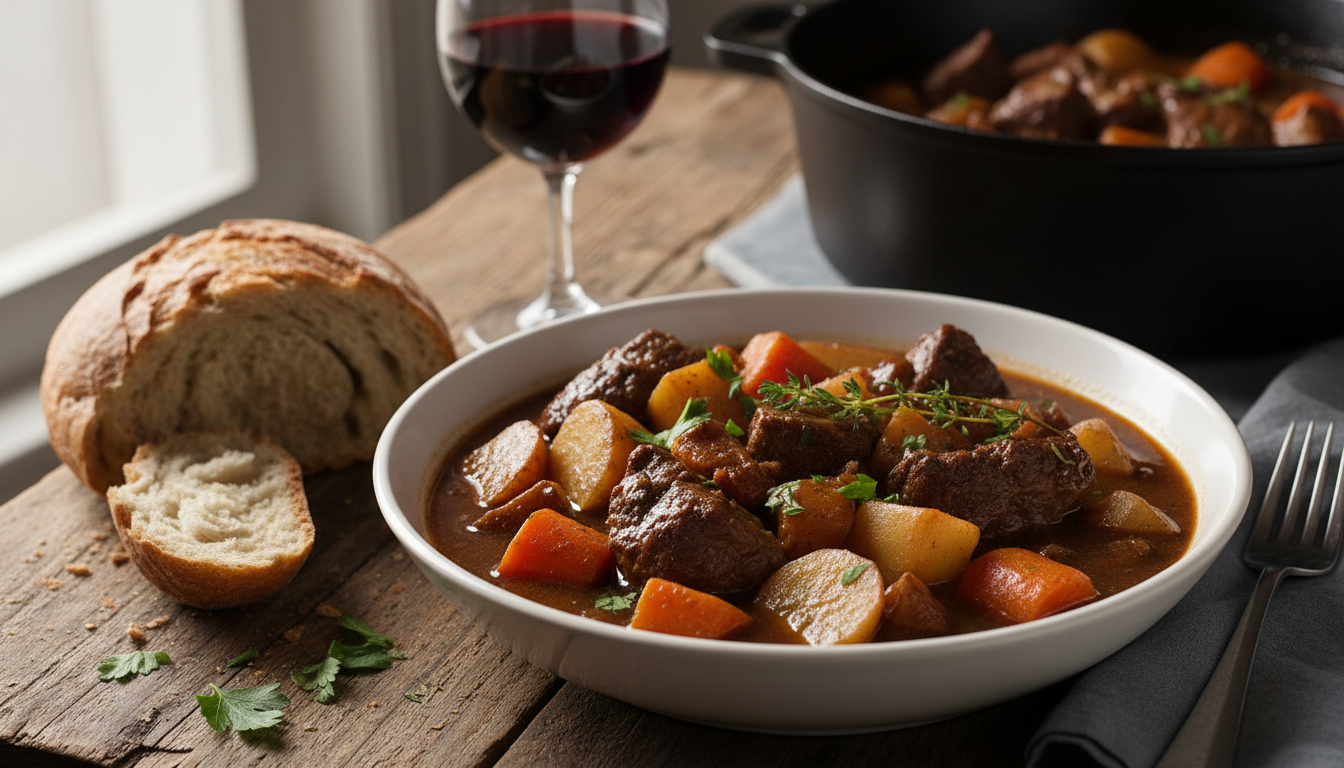
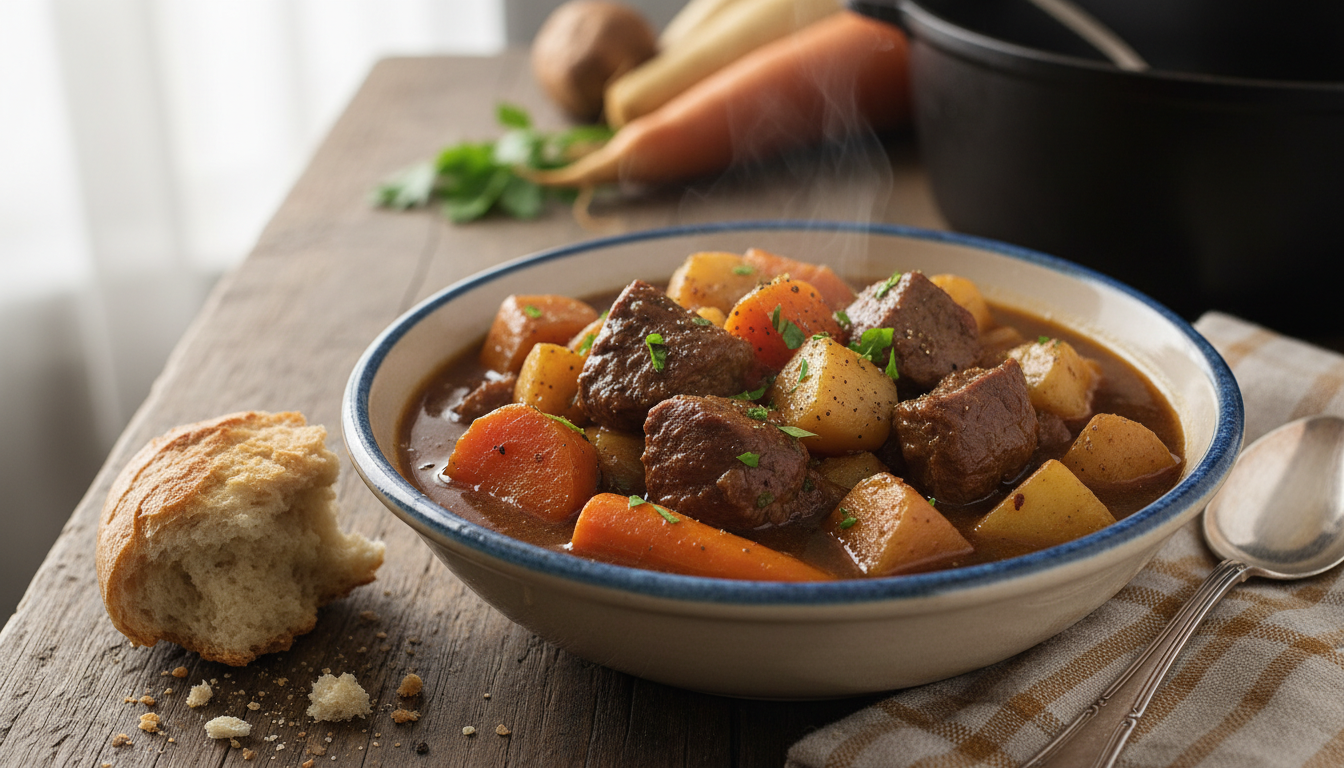
Each bite of this savory venison stew, rich with root vegetables, delivers a narrative of the wild: omnipresent forests, crisp mountain air, and autumn’s harvest glistening in the golden light of dusk. It’s a dish that beckons you to gather around, share stories, and appreciate the labor that brings the feast to the table.
Field-to-Table Safety and Preparation
When embarking on your wild game culinary adventure, ensuring safety from field to table is paramount.
-
- Field Dressing: After a successful hunt, field dressing should be done as soon as possible. Use a clean, sharp knife, and avoid puncturing internal organs to prevent contamination.
- Field Dressing: After a successful hunt, field dressing should be done as soon as possible. Use a clean, sharp knife, and avoid puncturing internal organs to prevent contamination.
-
- Cooling: Keep the meat cool. As a rule of thumb, aim to cool the game to below 40°F within a couple of hours to prevent bacterial growth.
- Cooling: Keep the meat cool. As a rule of thumb, aim to cool the game to below 40°F within a couple of hours to prevent bacterial growth.
-
- Processing: If you’re processing your own meat, do so in a sanitary environment. Use gloves and clean utensils to minimize contamination.
- Processing: If you’re processing your own meat, do so in a sanitary environment. Use gloves and clean utensils to minimize contamination.
-
- Internal Temperatures: When cooking venison, ensure it reaches a safe internal temperature of at least 160°F for ground products and 145°F for whole cuts, with a resting time of 3 minutes.
- Internal Temperatures: When cooking venison, ensure it reaches a safe internal temperature of at least 160°F for ground products and 145°F for whole cuts, with a resting time of 3 minutes.
With these safety measures in place, you’re ready to enjoy the fruits of your labor, transforming field-dressed venison into a hearty dish.
Savory Venison Stew with Root Vegetables
The Pantry and the Field
-
- 2 lbs venison stew meat, cut into 1-inch cubes
-
- 2 tablespoons olive oil
-
- 1 medium onion, chopped
-
- 3 cloves garlic, minced
-
- 4 cups beef or game stock
-
- 3 medium carrots, peeled and chopped
-
- 2 medium potatoes, peeled and cubed
-
- 2 cups parsnips, peeled and chopped
-
- 1 tablespoon tomato paste
-
- 2 teaspoons dried thyme
-
- 1 teaspoon rosemary, crushed
-
- Salt and pepper to taste
-
- 1 bay leaf
-
- Fresh parsley for garnish
Step-by-Step Culinary Execution
-
- Brown the Meat: In a large pot or Dutch oven, heat olive oil over medium-high heat. Add the venison cubes in batches to avoid crowding. Brown on all sides, then remove and set aside.
-
- Sauté Aromatics: In the same pot, add the chopped onion. Sauté for about 5 minutes until translucent. Add the minced garlic and stir for an additional minute until fragrant.
-
- Combine Ingredients: Return the venison to the pot. Stir in the tomato paste, thyme, rosemary, salt, pepper, and bay leaf.
-
- Pour the stock over the meat mixture. Bring to a simmer, scraping any browned bits from the bottom of the pot.
-
- Add Root Vegetables: Add the carrots, potatoes, and parsnips. Stir well, cover the pot, and reduce to low heat.
-
- Slow Cook: Allow the stew to simmer for about 1.5 hours, stirring occasionally, until the meat is tender and the vegetables are cooked through.
-
- Season: Taste and adjust the seasonings as needed. Discard the bay leaf before serving.
-
- Serve hot, garnished with fresh parsley.
Tools for the Job
-
- Large pot or Dutch oven
-
- Sharp knife for cutting meat and vegetables
-
- Cutting board
-
- Wooden spoon or spatula for stirring
-
- Meat thermometer
-
- Measuring spoons and cups
The Woodsman’s Edge
To truly elevate your savory venison stew, try marinating the meat overnight in a mixture of red wine and herbs. This not only imparts a rich depth of flavor but also tenderizes the meat, making each bite a melting experience that sings with essence.
Honoring the Harvest
Every spoonful of this stew not only fills your belly but also serves as a homage to the wild—a testament to the connection we have with nature and the respect we owe to the game we pursue. As you savor each bite, remember that you’re partaking in a legacy that stretches back through generations of hunters, gatherers, and home cooks.
Now, gather your loved ones around the table, share your stories from the field, and create memories that will linger long after the last bite.
Commonly Asked Questions about Venison
1. Is venison healthy compared to beef?
Yes, venison is generally leaner than beef and has lower fat content, making it a healthier option.
2. How can I tell if venison is overcooked?
Overcooked venison will become dry and tough. Aim for an internal temperature of 145°F for optimal tenderness.
3. Can I use frozen venison for the stew?
Absolutely! Just make sure to thaw it completely in the refrigerator before cooking.
4. What are good sides to serve with venison stew?
Heartier sides like crusty bread, roasted root vegetables, or a simple green salad work wonderfully.
5. How should I store leftover venison stew?
Store leftovers in an airtight container in the fridge for up to 3 days or freeze for longer preservation.