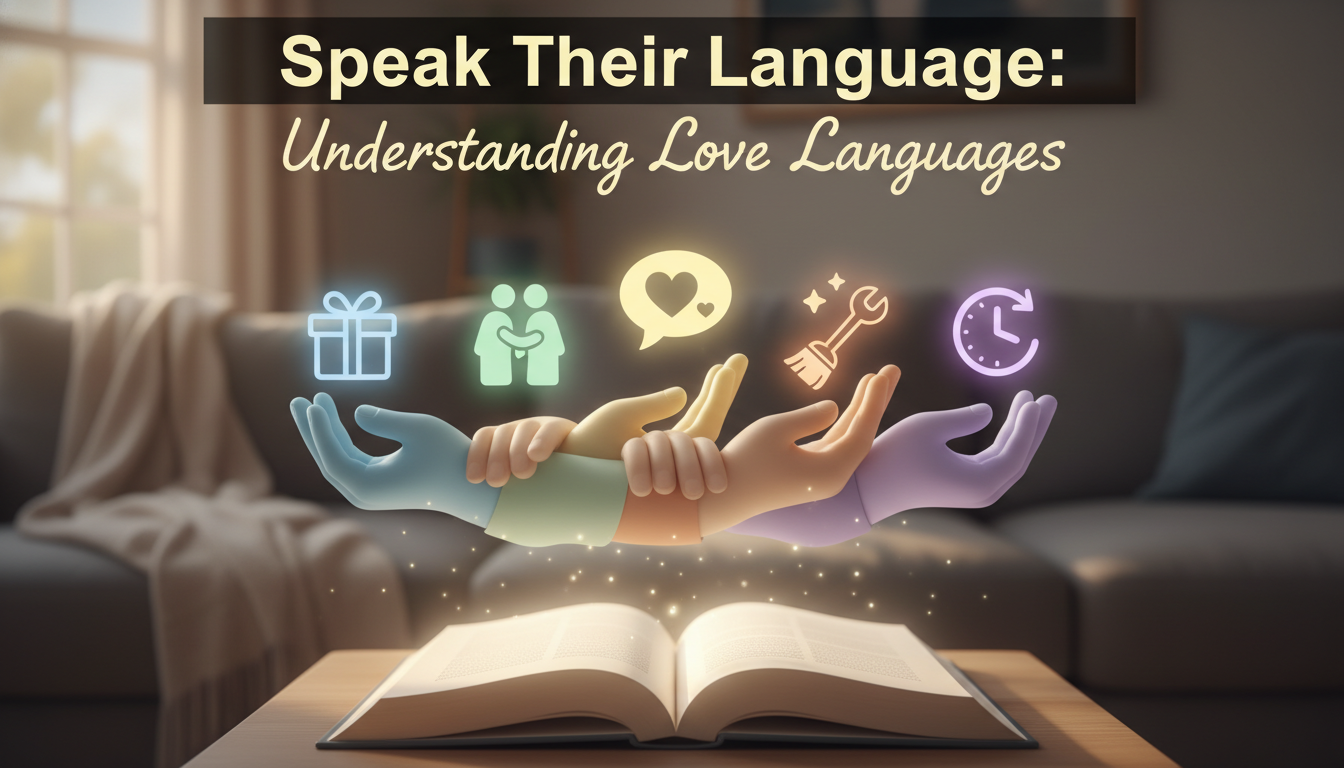
The Secret Language of Connection: Unlocking the Power of Love Languages
We often hear that communication is key to any successful relationship, but what happens when even with clear communication, a sense of disconnect persists? The answer might lie in understanding and speaking your partner’s – and your own – love language. Developed by Dr. Gary Chapman, the concept of love languages posits that we all express and experience love in one or more of five distinct ways. Understanding these languages can be transformative, fostering deeper connection and richer intimacy. But it’s more than just a relationship tool; understanding love languages can also improve how we interact with friends, family, and even ourselves.
What Exactly are Love Languages?
Think of love languages as the dialects of affection. While we might all speak the same general language of “love,” the specific words, gestures, and actions that resonate most powerfully vary from person to person. These languages are: Words of Affirmation, Acts of Service, Receiving Gifts, Quality Time, and Physical Touch.
It’s crucial to understand that these aren’t rigid categories, but rather preferences. Most people have a primary love language, perhaps a secondary one, and varying levels of appreciation for the others. Identifying your own love language and those of your loved ones can unlock a deeper understanding of your needs and how best to meet theirs. But why do these languages even exist? To understand this, we need to consider the psychological underpinnings of attachment and emotional expression.
The Psychology Behind Love Languages: Attachment Theory and Emotional Expression
Our early childhood experiences profoundly shape how we give and receive love. Attachment theory, developed by John Bowlby and Mary Ainsworth, suggests that the bond we form with our primary caregivers in infancy influences our relationships throughout life. If, as children, we felt consistently secure, loved, and understood, we’re more likely to develop a secure attachment style, characterized by trust, empathy, and healthy boundaries.
Conversely, insecure attachment styles (anxious, avoidant, and disorganized) can stem from inconsistent or neglectful caregiving. Mayo Clinic highlights how attachment styles learned in childhood can profoundly affect adult relationships. For instance, someone with an anxious attachment style might crave constant reassurance and validation (aligning strongly with Words of Affirmation), while someone with an avoidant style might prioritize independence and struggle with emotional intimacy (potentially valuing Acts of Service over Physical Touch).
Furthermore, the way we were shown love as children often becomes the template for how we both express and desire love as adults. If you grew up in a family where physical affection was commonplace, Physical Touch might naturally be your primary love language. If your parents consistently helped you with tasks and responsibilities, Acts of Service might resonate deeply.
Decoding the Five Love Languages
Let’s delve deeper into each love language, exploring its nuances and practical applications:
Words of Affirmation: The Power of Encouragement
For individuals whose primary love language is Words of Affirmation, verbal expressions of love, appreciation, and encouragement hold immense power. This goes beyond simply saying “I love you.” It’s about offering specific, genuine compliments, expressing gratitude for their efforts, and using words to uplift and inspire. Think of it as verbal validation of their worth.
How to Speak This Language:
- Write a heartfelt note or letter expressing your feelings.
- Offer sincere compliments on their achievements, appearance, or personality.
- Verbally express your gratitude for their contributions to the relationship.
- Use encouraging words when they are facing challenges.
- Avoid harsh criticism or negative language, as it can be particularly damaging.
Acts of Service: Actions Speak Louder Than Words
Those who speak the language of Acts of Service value helpful gestures and actions that ease their burdens and make their lives easier. It’s about showing love through tangible assistance and support. This isn’t about being a servant, but about thoughtfully anticipating their needs and demonstrating your care through helpful actions.
How to Speak This Language:
- Offer to help with chores or errands.
- Prepare a meal for them.
- Take care of a task they’ve been putting off.
- Run a bath after a long day.
- Offer a helping hand without being asked.
Receiving Gifts: Tokens of Love and Appreciation
While it might sound materialistic, Receiving Gifts isn’t about the monetary value of the presents, but about the thoughtfulness and intention behind them. It’s the visual symbol of the relationship and indicates that you were thinking of them. It shows that you pay attention to what they like and what is important to them.
How to Speak This Language:
- Give thoughtful gifts that reflect their interests and personality.
- Pick up a small souvenir when you’re traveling.
- Surprise them with a bouquet of flowers.
- Remember special occasions with meaningful gifts.
- Presentation matters – wrap the gift nicely and present it with care.
Quality Time: Undivided Attention and Connection
For those who value Quality Time, nothing speaks louder than giving them your undivided attention. It’s about creating meaningful moments of connection where you’re fully present and engaged. This means putting away distractions, actively listening, and engaging in shared activities.
How to Speak This Language:
- Plan regular date nights or outings.
- Engage in activities they enjoy, even if they’re not your favorite.
- Put away your phone and other distractions when you’re together.
- Practice active listening: make eye contact, ask questions, and show genuine interest.
- Create shared experiences, such as going for a hike, attending a concert, or cooking together.
Physical Touch: The Power of Connection
Physical Touch is about expressing love and affection through physical contact. This can include holding hands, hugging, kissing, cuddling, or simply sitting close together. It’s about feeling physically connected and secure with your partner.
How to Speak This Language:
- Offer hugs and kisses frequently.
- Hold hands while walking or watching a movie.
- Give massages or back rubs.
- Cuddle on the couch.
- Initiate physical intimacy.
Beyond Romantic Relationships: Love Languages in Other Contexts
While often discussed in the context of romantic relationships, the principles of love languages extend to other areas of life. Understanding the love languages of your children, family members, friends, and even colleagues can significantly improve your relationships with them. For instance, a child whose love language is Acts of Service might feel more loved and appreciated when you help them with their homework or pack their lunch. A friend whose love language is Quality Time might feel neglected if you consistently cancel plans or are always distracted when you’re together. Applying this understanding can create more harmonious and fulfilling relationships across the board.
This is where it gets interesting. The same principles that apply to showing affection to others, apply to showing affection to ourselves. Often, we are the hardest on ourselves. Taking the time to understand what *we* truly need can lead to deeper self-compassion and improved mental wellbeing. Someone who values words of affirmation should actively practice self-compassion and positive self-talk. Someone who values quality time should ensure they carve out time for hobbies, self-care, and mindful activities.
Overcoming Communication Barriers and Misunderstandings
Misunderstandings often arise when partners speak different love languages. One partner might express love through Acts of Service, while the other craves Words of Affirmation. In such cases, both partners might feel unloved or unappreciated, despite each making genuine efforts to show their affection. By identifying and understanding each other’s love languages, you can bridge the communication gap and learn to express love in a way that resonates with your partner. This requires open communication, empathy, and a willingness to step outside your own comfort zone. It may feel unnatural at first to express love in a way that isn’t your primary language, but the rewards – a deeper connection and a more fulfilling relationship – are well worth the effort. To understand this better, consider the following scenario.
Imagine a couple where one partner’s primary love language is Quality Time, and the other’s is Acts of Service. The partner who values Quality Time might feel neglected because their spouse is always busy with work or chores and rarely sets aside dedicated time for them. On the other hand, the partner who values Acts of Service might feel unappreciated because they’re constantly doing things around the house, but their spouse doesn’t seem to notice or acknowledge their efforts. By understanding each other’s love languages, they can begin to address these unmet needs. The partner who values Acts of Service could make a conscious effort to schedule regular date nights or put away their phone during dinner. The partner who values Quality Time could express their appreciation for their spouse’s hard work and offer to help with chores to lighten their load.
Moving Forward: Fostering Deeper Connections
Understanding love languages is not a one-time fix, but an ongoing process of discovery and adaptation. As relationships evolve, so too might your love languages. It’s essential to maintain open communication and regularly check in with your partner to ensure that your needs are being met. Remember that love is not a finite resource; the more you give, the more you receive. By making a conscious effort to speak your loved ones’ love languages, you can create deeper, more meaningful connections and foster a greater sense of love and belonging.
FAQs: Unpacking the Nuances of Love Languages
- 1. How do I identify my love language and the love languages of my loved ones?
- Several online quizzes are available to help you identify your primary love language. You can also observe how you naturally express love to others and what types of actions make you feel most loved and appreciated. Pay attention to what you often request from your partner or friends. Do you often ask for help with tasks? Do you long for more quality time? Observe their reactions to different expressions of affection. Do they light up when you offer a compliment, or are they more touched when you help them with a chore? Ultimately, the best way to discover your love language and those of your loved ones is through open and honest communication.
- 2. Is it possible to have multiple love languages?
- Absolutely. Most people have a primary love language, but they also appreciate and respond to other languages to varying degrees. You might strongly resonate with both Words of Affirmation and Quality Time, for example. Think of it as having a dominant dialect with several secondary languages you also speak. The key is to identify your most prominent needs and ensure they are being met.
- 3. What if my partner’s love language is different from mine?
- This is a very common scenario. The important thing is to acknowledge and respect your differences. Learning to speak your partner’s love language, even if it doesn’t come naturally to you, is a powerful way to show them that you care. It requires empathy, understanding, and a willingness to step outside your own comfort zone. It might take some practice, but the effort will be well worth it.
- 4. Can love languages change over time?
- Yes, love languages can evolve as relationships mature and life circumstances change. What you needed or valued early in a relationship might be different from what you need or value later on. Regular communication and check-ins are essential to ensure that you and your partner are still meeting each other’s needs. Harvard Health resources emphasize the importance of adaptability in maintaining healthy relationships.
- 5. How can I use love languages to improve my relationship with myself?
- Self-love is just as important as loving others. Understanding your own love language can help you identify your needs and prioritize self-care activities that truly resonate with you. If your love language is Words of Affirmation, practice positive self-talk and celebrate your accomplishments. If it’s Quality Time, schedule regular activities that you enjoy and allow yourself to fully immerse in them. If it’s Acts of Service, treat yourself to something that will make your life easier or more enjoyable. If it’s Receiving Gifts, buy yourself something special that you’ve been wanting. And if it’s Physical Touch, engage in activities that make you feel good in your body, such as yoga, massage, or a relaxing bath.
- 6. Is it possible for one person to use love languages manipulatively?
- Unfortunately, yes. While love languages are intended to enhance connection and understanding, they can be misused for manipulation. For example, someone might shower you with gifts or compliments solely to gain control or influence you. It’s crucial to be aware of such manipulative tactics and trust your instincts. Healthy love languages are expressed genuinely and with respect for your boundaries, not as a means of control.
- 7. What if my partner refuses to acknowledge or learn about love languages?
- This can be a challenging situation. While you can’t force someone to change or adopt a new perspective, you can lead by example. Focus on speaking *their* love language and demonstrating the benefits of understanding these concepts. If they remain resistant, it might be helpful to seek guidance from a relationship therapist who can help you navigate the communication barriers and explore alternative strategies for connection.