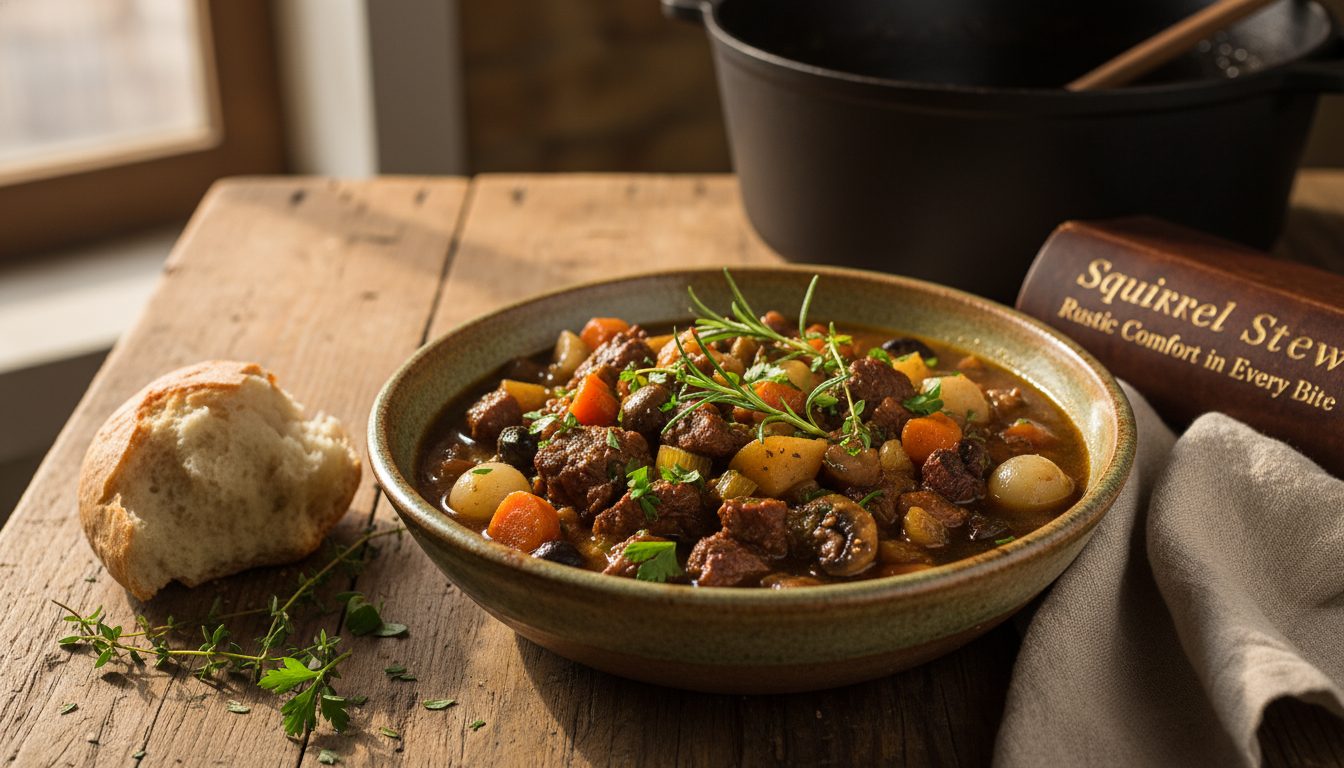
Why Squirrel Stew: Rustic Comfort in Every Bite?
Squirrel meat, often underappreciated, is a delicious and sustainable protein choice. Its flavor profile is nutty and rich, reminiscent of lean rabbit or dark chicken meat. Squirrels thrive in various environments, making them plentiful and accessible. Choosing to cook with this wild game not only supports sustainable hunting practices but introduces a unique twist to your culinary repertoire.
Key Benefits of Squirrel Meat
- Low in fat and rich in protein, providing a healthy alternative to traditional meats.
- High in essential vitamins like B12 and minerals such as iron, making it nutritionally beneficial.
- Sourcing local squirrel meat promotes sustainable practices and reduces environmental impact.
Preparation & Safety
Before you dive into the cooking process, it’s essential to understand how to prepare wild game safely and effectively.
Field-to-Table Prep
- Immediately after hunting, cool the squirrel meat to prevent spoilage.
- Remove the skin carefully, and then gut the animal while ensuring you maintain cleanliness to avoid contamination.
Aging (if applicable)
Aging squirrel meat can enhance its flavor and tenderness. Wrap the cleaned meat and refrigerate it for 1-3 days. This process helps break down the muscle fibers, yielding a more tender stew.
Food Safety
When cooking wild game, it’s crucial to achieve the proper internal temperature. For squirrel, aim for:
| Game Type | Internal Temperature (°F) |
|---|---|
| Squirrel | 160°F |
Squirrel Stew Recipe
Cook Time: 2 hours
Total Time: 2 hours 20 minutes
Detailed Ingredients List
- 1 kg (2.2 lbs) squirrel, cleaned and cut into pieces
- 60 ml (¼ cup) olive oil
- 1 large onion, diced
- 2 cloves garlic, minced
- 2 carrots, sliced
- 2 celery stalks, diced
- 1 liter (4 cups) chicken or vegetable broth
- 200 g (7 oz) potatoes, diced
- 1 bay leaf
- 1 tsp dried thyme
- Salt and pepper, to taste
- Fresh parsley, chopped (for garnish)
Step-by-Step Instructions
- In a large, heavy-bottomed pot, heat the olive oil over medium heat. As the oil shimmers, add the squirrel pieces, searing them until golden brown on all sides. The aroma will fill your kitchen, enticing everyone nearby.
- Remove the squirrel from the pot and set it aside. In the same pot, add the diced onion and sauté until translucent, releasing their sweet scent into the air.
- Add the garlic, carrots, and celery to the pot, stirring frequently. Cook until vegetables soften, about 5 minutes.
- Deglaze the pot with a splash of broth, scraping up the browned bits from the bottom, which are packed with flavor.
- Return the squirrel to the pot, add the diced potatoes, bay leaf, thyme, and remaining broth. Bring the mixture to a gentle boil.
- Reduce heat and let it simmer, stirring occasionally, for about 1.5 hours or until the squirrel is tender and the flavors meld beautifully.
- Season with salt and pepper to taste, removing the bay leaf before serving.
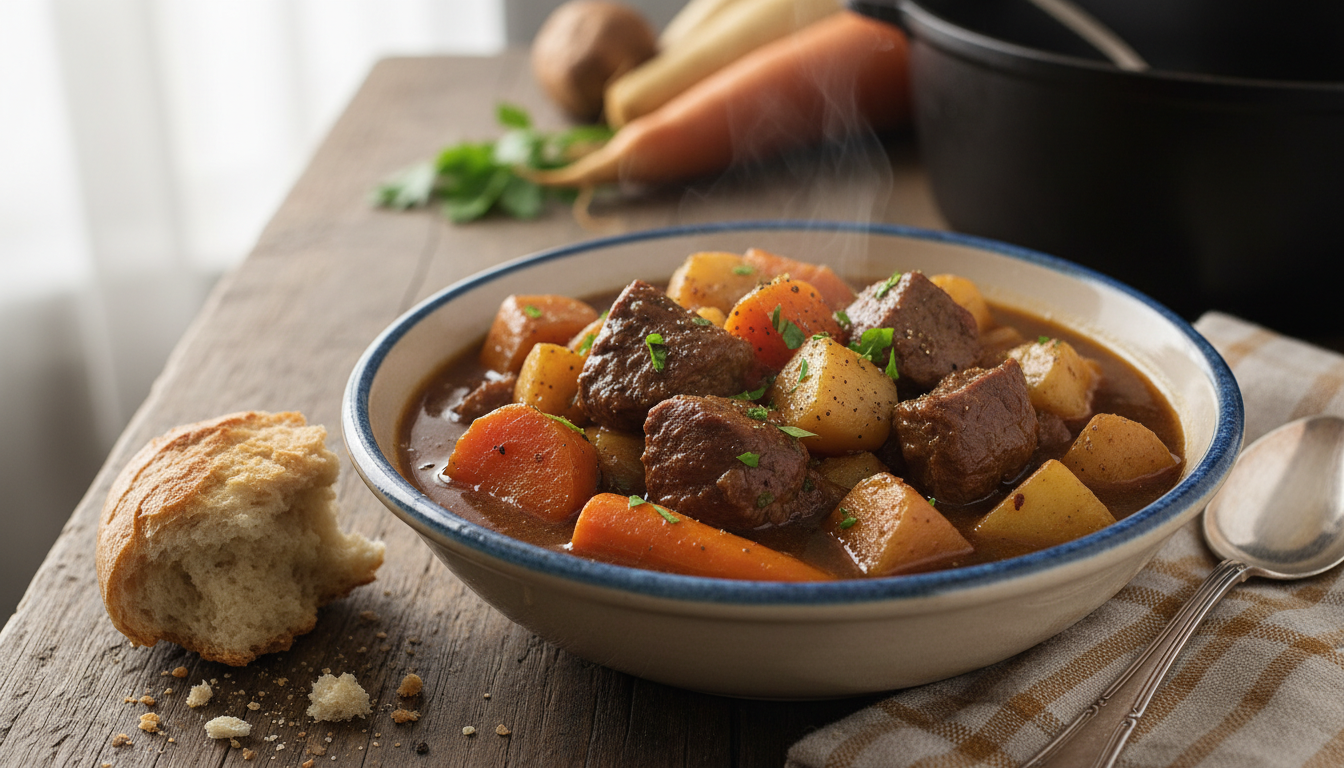
- Garnish with fresh parsley and savor the rustic comfort in every bite.
Nutritional Data
| Nutrient | Per Serving (Approx. 1 cup) |
|---|---|
| Calories | 250 |
| Protein | 30 g |
| Fats | 10 g |
| Iron | 3 mg |
| Vitamin B12 | 2 µg |
Expert Tips
Chef’s Secret
Avoid the common mistake of overcooking lean game like squirrel. It can quickly become tough and dry. Always check for doneness with a meat thermometer, ensuring the internal temperature reaches 160°F to retain its moisture and tenderness.
Conclusion
Squirrel stew is not just a meal; it’s a delightful experience that encapsulates rustic comfort. Featuring a unique flavor profile that combines earthy undertones with a hint of sweetness, this dish brings warmth to your dining table. Whether you’re a seasoned wild game enthusiast or a curious beginner, this stew is sure to impress.
FAQs
Is squirrel meat gamey?
No, squirrel meat has a mild flavor that is often compared to rabbit. When cooked properly, it can be tender and delicious without any overpowering gamey taste.
Can I substitute chicken for squirrel in this recipe?
Yes, though the texture and flavor will differ, chicken can be a suitable substitute in a pinch.
How do you know when squirrel is done cooking?
The meat should have an internal temperature of 160°F. Additionally, it should be fork-tender, pulling away from the bone effortlessly.
What’s the best seasoning for squirrel?
Thyme, rosemary, and bay leaves pair wonderfully with squirrel. You can also consider using garlic and onion for depth of flavor.
How can I make squirrel stew more hearty?
Adding more root vegetables like parsnips or sweet potatoes can increase the stew’s heartiness while introducing additional flavors and nutrients.