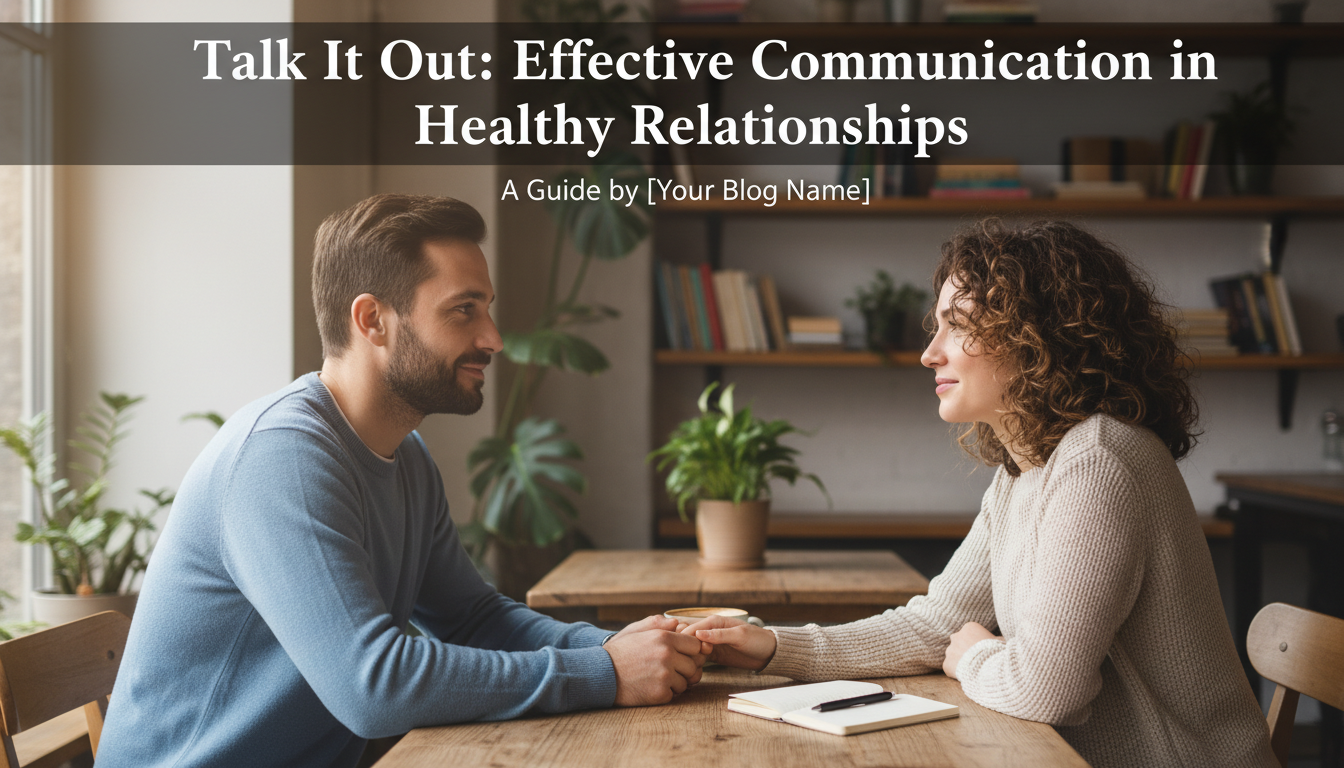
Okay, here’s the article:
The Foundation of Connection: Why Communication Matters
Healthy relationships, whether romantic, familial, or platonic, are built on a bedrock of effective communication. It’s more than just exchanging words; it’s about understanding, empathy, and creating a safe space for vulnerability. Poor communication, on the other hand, can erode trust, breed resentment, and ultimately lead to the breakdown of even the strongest bonds. But what *is* effective communication in this context, and how can we cultivate it?
At its core, effective communication is a two-way street. It involves not only clearly expressing your own thoughts and feelings but also actively listening to and understanding the perspective of the other person. This requires intention, effort, and a willingness to be open and honest, even when it’s uncomfortable.
The Neuroscience of Connection
Interestingly, the benefits of strong communication extend beyond just relationship satisfaction; they have measurable physiological effects. Studies have shown that positive social interactions, fueled by good communication, can release oxytocin, often referred to as the “love hormone.” Oxytocin promotes feelings of bonding, trust, and reduces stress. Conversely, chronic conflict and poor communication can elevate cortisol levels, the stress hormone, leading to a cascade of negative health consequences, including weakened immunity and increased risk of cardiovascular disease. You can explore more about the physiological effects of relationships at Harvard Health.
Key Elements of Effective Communication
Several key elements contribute to effective communication within healthy relationships. Let’s break them down:
1. Active Listening: Hearing More Than Just Words
Active listening goes beyond simply hearing the words someone is saying. It involves paying attention, both verbally and nonverbally, showing genuine interest, and seeking to understand the speaker’s perspective. This means putting aside your own thoughts and judgments, making eye contact (when appropriate), nodding to show you’re engaged, and asking clarifying questions. For instance, instead of interrupting, you might say, “So, what I’m hearing you say is…” or “Can you tell me more about that?”
Furthermore, active listening involves paying attention to nonverbal cues, such as body language, tone of voice, and facial expressions. These cues can often convey more than words alone. Are they fidgeting? Avoiding eye contact? Their body language might be indicating they are uncomfortable or nervous, even if their words suggest otherwise.
2. Clear and Assertive Communication: Speaking Your Truth
Assertive communication is about expressing your needs and feelings clearly, honestly, and respectfully, without infringing on the rights of others. It’s a balance between being passive (not expressing your needs at all) and aggressive (expressing your needs in a demanding or hostile way). Assertive communication uses “I” statements to take ownership of your feelings and avoid blaming or accusing. For example, instead of saying “You always make me feel ignored,” you might say, “I feel ignored when I’m not included in the conversation.”
Being direct and specific is also crucial. Avoid vague or ambiguous statements that can be easily misinterpreted. If you need something, ask for it clearly. If you’re unhappy about something, explain why in a calm and respectful manner.
3. Empathy and Understanding: Walking in Their Shoes
Empathy is the ability to understand and share the feelings of another person. It involves putting yourself in their shoes and seeing the world from their perspective. This doesn’t necessarily mean you have to agree with them, but it does mean you need to acknowledge and validate their feelings. Demonstrating empathy can be as simple as saying, “I can see why you’re feeling that way,” or “That sounds really difficult.”
To truly understand someone, ask open-ended questions that encourage them to share their thoughts and feelings. Avoid jumping to conclusions or making assumptions. Instead, listen attentively and try to see the situation from their point of view.
4. Managing Conflict Constructively: Turning Challenges into Opportunities
Conflict is inevitable in any relationship. The key is to manage it constructively. This means addressing disagreements in a calm and respectful manner, focusing on the issue at hand, and avoiding personal attacks. It’s also important to be willing to compromise and find solutions that work for both parties.
During a conflict, take breaks if needed to cool down and avoid saying things you’ll regret. Listen to understand, rather than to respond. Try to find common ground and focus on solutions rather than dwelling on the problem. Remember, the goal is not to win the argument, but to resolve the conflict and strengthen the relationship. More tips on conflict resolution can be found at Mayo Clinic.
5. Nonverbal Communication: The Silent Language
A significant portion of communication is nonverbal. This includes body language, facial expressions, tone of voice, and even silence. Being aware of your own nonverbal cues and how they might be perceived by others is essential. For example, crossing your arms might be interpreted as defensiveness, while maintaining eye contact can signal attentiveness and sincerity.
Pay attention to the nonverbal cues of others as well. Are they fidgeting? Avoiding eye contact? Their body language might be indicating they are uncomfortable or nervous, even if their words suggest otherwise. Being attuned to these cues can help you better understand their true feelings and respond appropriately.
Overcoming Communication Barriers
Several barriers can hinder effective communication in relationships. Recognizing these barriers is the first step towards overcoming them.
1. Assumptions and Misinterpretations: Filling in the Blanks
We often make assumptions about what others are thinking or feeling, based on our own experiences and biases. These assumptions can lead to misinterpretations and misunderstandings. To avoid this, always seek clarification and ask questions to ensure you’re on the same page. Don’t assume you know what the other person means; ask them to explain it in their own words.
2. Emotional Reactivity: When Feelings Take Over
When we’re feeling angry, upset, or defensive, it can be difficult to communicate effectively. Our emotions can cloud our judgment and lead us to say things we later regret. Before engaging in a difficult conversation, take some time to calm down and regulate your emotions. Practice mindfulness techniques, such as deep breathing or meditation, to help you stay grounded and present.
3. Lack of Time and Attention: The Distraction Factor
In today’s fast-paced world, it can be challenging to find the time and attention necessary for meaningful communication. Distractions, such as smartphones, social media, and work demands, can interfere with our ability to fully listen and engage with our partners. Make a conscious effort to put aside distractions and create dedicated time for communication. This might mean scheduling regular date nights, turning off your phones during dinner, or simply setting aside a few minutes each day to talk without interruptions.
4. Fear of Vulnerability: Opening Up Can Be Scary
Sharing our thoughts and feelings, especially our vulnerabilities, can be scary. We might fear rejection, judgment, or being hurt. However, vulnerability is essential for building intimacy and trust in relationships. Start by sharing small things and gradually build up to more difficult topics. Remember, vulnerability is a strength, not a weakness.
Cultivating Open Dialogue
Fostering open and honest dialogue requires creating a safe and supportive environment where both partners feel comfortable sharing their thoughts and feelings without fear of judgment or criticism. Active listening, empathy, and a willingness to be vulnerable are crucial. It is also important to establish clear boundaries and expectations for communication. Agree on rules for handling conflict, such as taking breaks when needed, avoiding personal attacks, and focusing on solutions.
Regular check-ins can also be beneficial. Set aside time each week or month to discuss how you’re both feeling, address any concerns, and celebrate your successes. These check-ins provide an opportunity to proactively address issues before they escalate into major conflicts. This proactive approach, although simple in concept, has proven to be monumentally beneficial to the majority of couples who consistently implement it.
Putting It All Together
Effective communication is not a skill you’re born with; it’s a practice that you cultivate over time. It requires conscious effort, patience, and a willingness to learn and grow. By focusing on active listening, clear and assertive communication, empathy, and constructive conflict management, you can build stronger, healthier, and more fulfilling relationships. Remember that progress is not always linear. There will be times when you struggle to communicate effectively. The key is to keep practicing, be patient with yourself and your partner, and celebrate your successes along the way.
Frequently Asked Questions
Here are some frequently asked questions about effective communication in relationships:
1. What if my partner refuses to communicate?
This is a common challenge. First, try to understand why your partner is reluctant to communicate. Are they afraid of conflict? Do they feel unheard? Approach the situation with empathy and try to create a safe space for them to share their thoughts and feelings. Use “I” statements to express your own needs and avoid blaming or accusing. If the problem persists, consider seeking professional help from a therapist or counselor. Sometimes, a neutral third party can facilitate communication and help you both find ways to connect.
2. How can I improve my active listening skills?
Start by consciously focusing on the speaker. Put aside your own thoughts and judgments and try to understand their perspective. Make eye contact, nod to show you’re engaged, and ask clarifying questions. Avoid interrupting or offering unsolicited advice. Summarize what you’ve heard to ensure you’re understanding correctly. Practice these techniques regularly, and you’ll gradually improve your active listening skills.
3. What if I say something I regret during an argument?
Everyone makes mistakes. If you say something you regret, apologize sincerely and take responsibility for your words. Explain that you didn’t mean to hurt them and that you’re working on improving your communication skills. Then, try to refocus on the issue at hand and continue the conversation in a calm and respectful manner. Learning to self-regulate during emotionally charged situations is crucial. Techniques like deep breathing or taking a break can prevent impulsive and regrettable statements.
4. How can I express my needs without being demanding?
Use “I” statements to express your needs clearly and respectfully. Avoid blaming or accusing your partner. For example, instead of saying “You never help around the house,” you might say, “I feel overwhelmed when I have to do all the housework myself. Can we find a way to share the responsibilities?” Be specific about what you need and why it’s important to you. Be willing to compromise and negotiate to find solutions that work for both of you.
5. Is it ever okay to avoid difficult conversations?
While it’s not healthy to avoid difficult conversations altogether, there are times when it’s best to postpone them. If you’re feeling overwhelmed, angry, or exhausted, it’s better to take some time to calm down and regulate your emotions before engaging in a difficult conversation. Agree on a time to revisit the topic when you’re both feeling more able to communicate effectively. Avoiding difficult conversations in the long term, however, can lead to resentment and unresolved issues.
6. How do I deal with a partner who shuts down during conflict?
When a partner shuts down, it can be frustrating and isolating. It’s crucial to approach the situation with patience and understanding. Give them space to process their emotions and avoid pressuring them to talk before they’re ready. Let them know that you’re there for them when they’re ready to talk. You can say something like, “I understand you need some time to process. I’m here when you’re ready to talk, and I love you.” In the meantime, focus on self-care and managing your own emotions. If this pattern persists, professional counseling can provide guidance and support.