The Foundation: Understanding Relationship Needs
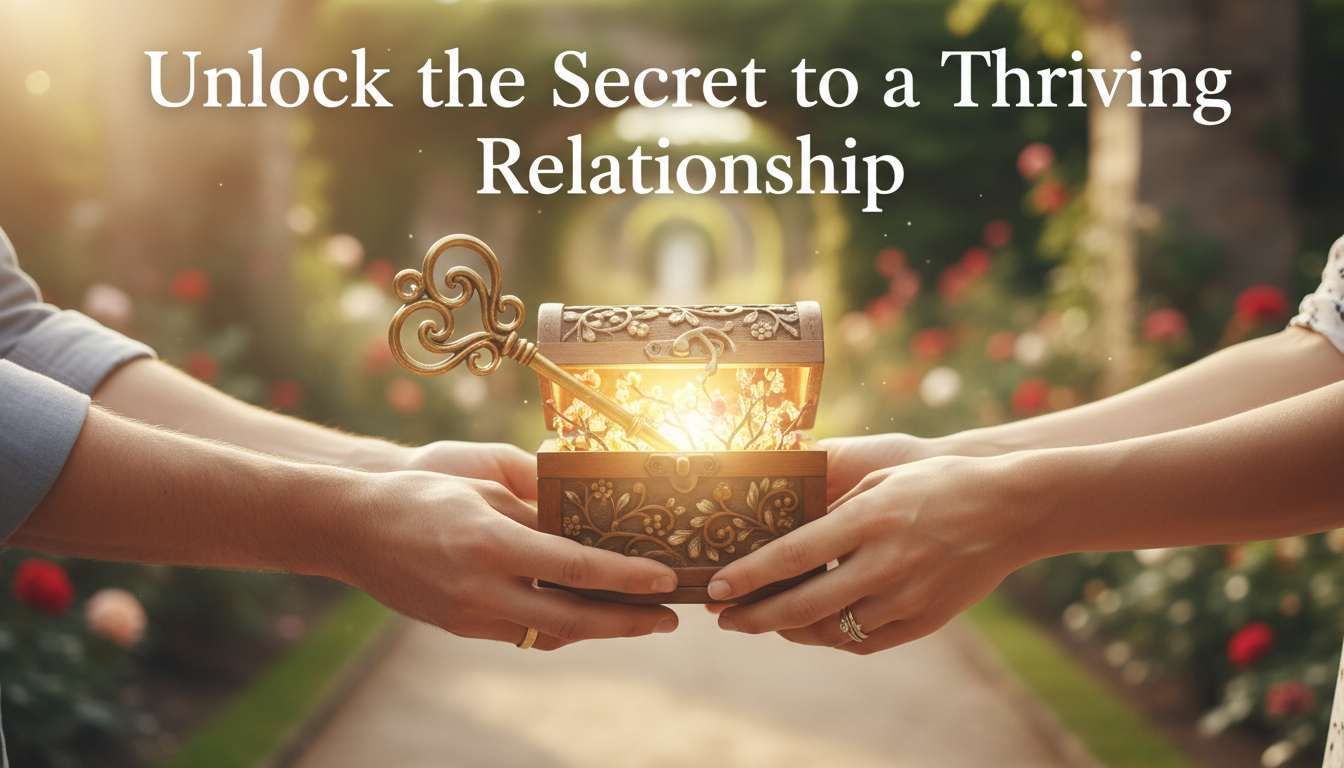
A thriving relationship isn’t about luck; it’s about understanding and consistently meeting the needs of both individuals involved. These needs extend beyond the superficial and delve into the core of our psychological and emotional well-being. Think of it as tending a garden: neglect it, and weeds of resentment and disconnection will inevitably take root. Nurture it with intention, and it will blossom into something beautiful and resilient.
The Core Pillars of a Healthy Partnership
Several key pillars underpin a successful relationship. These aren’t optional extras; they are the foundational elements upon which trust, intimacy, and long-term satisfaction are built.
- Communication: This is far more than just talking. It’s about actively listening, understanding your partner’s perspective, and expressing your own needs and feelings clearly and respectfully. Think of communication as the circulatory system of the relationship, delivering vital nutrients of understanding and connection. Poor communication leads to stagnation and, eventually, breakdown.
- Trust: Trust is the bedrock of any lasting relationship. It’s the confidence that your partner has your best interests at heart and will act with integrity. Building trust takes time and consistent effort; eroding it can happen in an instant. Rebuilding it is a long and arduous process, often requiring professional guidance.
- Intimacy: Intimacy encompasses emotional, physical, and intellectual closeness. It’s about feeling seen, understood, and accepted for who you truly are. Physical intimacy, while important, is only one aspect. Emotional intimacy, the ability to share your vulnerabilities and fears, is often the deeper and more crucial connection.
- Respect: Respect involves valuing your partner’s opinions, boundaries, and individuality. It means acknowledging their inherent worth and treating them with kindness and consideration, even when you disagree. Disrespect, even in subtle forms, can slowly chip away at the foundation of a relationship.
- Shared Values: While you don’t need to agree on everything, sharing core values provides a sense of direction and purpose. These values act as a compass, guiding your decisions and ensuring that you’re both heading in the same general direction in life. Significant discrepancies in core values can lead to persistent conflict and ultimately, incompatibility.
The Science of Connection: Attachment Styles and Their Impact
Our early childhood experiences profoundly shape our attachment styles, influencing how we form and maintain relationships throughout our lives. Understanding your own attachment style, and your partner’s, is crucial for navigating the complexities of romantic partnerships. To understand this better, consider how a child’s needs are met (or unmet) by their caregivers.
The Four Primary Attachment Styles
- Secure Attachment: Individuals with a secure attachment style are comfortable with intimacy and autonomy. They trust their partners and are able to communicate their needs effectively. They generally had consistent and responsive caregivers in childhood. They are the “gold standard” in relationships, promoting healthy interdependence and mutual support.
- Anxious-Preoccupied Attachment: Those with an anxious attachment style crave intimacy but fear rejection. They often worry about the relationship and may be clingy or demanding. This often stems from inconsistent parenting where the child learned that affection was unpredictable.
- Dismissive-Avoidant Attachment: Individuals with a dismissive-avoidant attachment style value independence and avoid intimacy. They may suppress their emotions and distance themselves from their partners. This usually develops from caregivers who were emotionally unavailable or dismissive of the child’s needs.
- Fearful-Avoidant Attachment: People with a fearful-avoidant attachment style desire intimacy but fear both rejection and closeness. They often have a history of trauma or abuse, making it difficult for them to trust others. Childhood experiences might include unpredictable or even frightening behavior from caregivers.
Identifying your attachment style is the first step. The next is understanding how it manifests in your relationship and learning strategies to manage any resulting challenges. Therapy, particularly couples therapy, can be incredibly helpful in this process. Psychology Today offers a directory of therapists specializing in attachment-based therapy.
Navigating Conflict: A Roadmap to Resolution
Conflict is inevitable in any relationship. It’s not the presence of conflict that determines the success of a partnership, but rather how that conflict is managed. Constructive conflict resolution can actually strengthen a relationship, fostering deeper understanding and intimacy. The key is to shift from viewing conflict as a battle to viewing it as an opportunity for growth.
Strategies for Healthy Conflict Resolution
- Active Listening: Truly listen to your partner’s perspective without interrupting or judging. Try to understand their feelings and motivations, even if you don’t agree with them. Paraphrasing what you hear (“So, what I’m hearing is…”) can ensure you’re both on the same page.
- “I” Statements: Express your own feelings and needs using “I” statements rather than blaming or accusatory “you” statements. For example, instead of saying “You always make me feel like I’m not heard,” try “I feel unheard when…”.
- Time Outs: If emotions are running high, take a break to cool down before continuing the conversation. Agree on a time to revisit the issue when you’re both calmer and more rational.
- Focus on the Issue, Not the Person: Avoid personal attacks or bringing up past grievances. Stay focused on the specific issue at hand and try to find a mutually agreeable solution.
- Compromise: Be willing to compromise and find a solution that meets both of your needs. Sometimes, this means acknowledging that there’s no perfect solution and being willing to accept a less-than-ideal outcome.
- Seek Professional Help: If you’re struggling to resolve conflict on your own, don’t hesitate to seek professional help from a therapist or counselor. They can provide guidance and support in developing healthier communication and conflict resolution skills.
Keeping the Spark Alive: Cultivating Intimacy and Passion
Maintaining intimacy and passion requires conscious effort and a willingness to invest in the relationship. It’s about creating opportunities for connection and keeping the flame of romance burning. This is where it gets interesting – intimacy isn’t just about sex; it’s about a deeper sense of connection.
Practical Tips for Reigniting the Flame
- Schedule Date Nights: Make time for regular date nights, even if it’s just a simple dinner at home. The important thing is to set aside dedicated time to connect with your partner without distractions.
- Express Affection: Show your partner affection through physical touch, words of affirmation, and acts of service. Small gestures of kindness can go a long way in strengthening your bond.
- Explore New Things Together: Try new activities together, whether it’s taking a cooking class, going on a hike, or visiting a new city. Shared experiences can create lasting memories and strengthen your connection.
- Communicate Your Desires: Be open and honest with your partner about your sexual desires and fantasies. Explore new ways to enhance your intimacy and keep things exciting.
- Practice Gratitude: Regularly express your appreciation for your partner and the things they do for you. Gratitude fosters positive emotions and strengthens the bond between you.
Conclusion
Building a thriving relationship is an ongoing journey, not a destination. It requires commitment, effort, and a willingness to learn and grow together. By understanding your needs, communicating effectively, resolving conflict constructively, and cultivating intimacy, you can create a partnership that is both fulfilling and enduring. Remember, seeking help is a sign of strength, not weakness. Don’t hesitate to reach out to a therapist or counselor if you’re struggling to navigate the challenges of your relationship. A healthy relationship is a cornerstone of overall well-being, contributing significantly to both physical and mental health. Mayo Clinic offers numerous resources on building healthy relationships.
FAQs
1. What is the most important factor in a successful relationship?
While there’s no single “most important” factor, effective communication consistently ranks as a top predictor of relationship success. It’s the foundation upon which trust, intimacy, and conflict resolution are built. Without clear and open communication, misunderstandings and resentments can easily fester, ultimately undermining the relationship. Remember, communication isn’t just about talking; it’s about listening, understanding, and expressing yourself clearly and respectfully.
2. How often should couples go to therapy?
The frequency of couples therapy depends on the specific needs of the couple and the issues they’re facing. Some couples may benefit from weekly sessions, while others may find that bi-weekly or monthly sessions are sufficient. In times of crisis or significant life transitions, more frequent sessions may be necessary. Ultimately, the decision should be made in consultation with a qualified therapist.
3. My partner and I argue constantly. Is our relationship doomed?
Not necessarily. Conflict is a normal part of any relationship. However, the *way* you argue is crucial. If your arguments are characterized by personal attacks, defensiveness, and a lack of willingness to compromise, then it’s a sign that you need to develop healthier conflict resolution skills. Couples therapy can be incredibly helpful in learning these skills and improving communication.
4. How can I rebuild trust after it’s been broken?
Rebuilding trust is a long and challenging process that requires consistent effort and commitment from both partners. It involves acknowledging the harm that has been done, taking responsibility for your actions, and demonstrating genuine remorse. It also requires transparency and open communication. Be patient with yourself and your partner, and be prepared for setbacks along the way. Seeking professional help from a therapist or counselor can be invaluable in navigating this process.
5. What if my partner refuses to go to therapy?
If your partner is unwilling to attend couples therapy, you can still benefit from individual therapy. Individual therapy can help you understand your own patterns and behaviors in the relationship, develop healthier coping mechanisms, and make informed decisions about your future. You can also try to communicate to your partner why therapy is important to you and how it could benefit the relationship, but ultimately, you can’t force them to go.
6. How do I know if it’s time to end a relationship?
Deciding whether to end a relationship is a deeply personal decision. However, there are some red flags that may indicate that the relationship is no longer sustainable. These include: chronic disrespect or abuse (emotional, physical, or financial), a lack of trust, persistent unhappiness, and a fundamental incompatibility in values or goals. If you’ve tried everything to improve the relationship and it’s still not working, it may be time to consider ending it.
7. Is it normal for passion to fade in a long-term relationship?
It’s common for the initial intensity of passion to wane in a long-term relationship. However, this doesn’t mean that passion disappears entirely. It often evolves into a deeper, more mature form of intimacy and connection. It’s important to proactively cultivate intimacy and keep the spark alive through regular date nights, expressing affection, exploring new things together, and communicating your desires. If you feel that passion has completely disappeared from your relationship, it’s worth exploring the underlying causes and seeking professional help if needed.